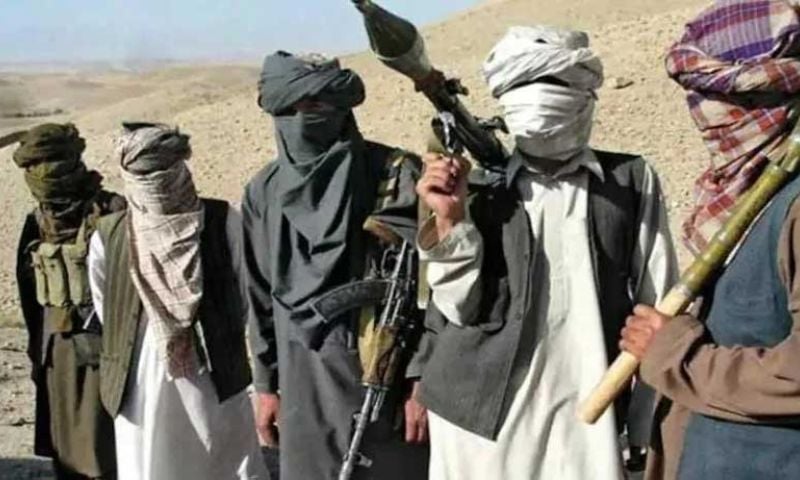



ISLAMABAD: Pakistan is facing growing security challenges from Afghanistan, where the Taliban’s return to power in August 2021 has caused a surge in cross-border terror attacks. Reports indicate that the Taliban regime is providing support to terrorist groups operating from Afghan soil to target Pakistan.
After the Taliban’s return to power, Islamabad now faces direct security threats from Afghanistan, particularly from the banned Tehreek-e-Taliban Pakistan (TTP) terrorist group.
Pakistan kept its embassy open when most countries left, helped people leave during the chaotic NATO exit, and worked hard to get other countries to help with humanitarian efforts in Afghanistan.
Pakistan’s initial engagement with the Taliban following their return to power under the 2021 Doha agreement aimed to foster a peaceful and stable neighbour, but the Taliban have failed to honour their commitments.
Taliban’s support for terrorist groups
Multiple international reports, including those from the United Nations and the United States’ Special Inspector General for Afghanistan Reconstruction (SIGAR), show terrorist groups continue to operate in Afghanistan because of the Taliban’s policy and support.
According to a United Nations report released in December 2025, the Taliban have integrated former fighters from multiple terrorist groups into their local security forces.
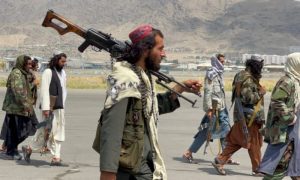
The UN Analytical Support and Sanctions Monitoring Team warned that this raises concerns about infiltration of terrorists within Afghan security ranks.
The report highlighted that over 20 international and regional terrorist organisations remain active in Afghanistan.
These include al Qaeda, Islamic State Khorasan (ISIL-K), TTP, the Eastern Turkistan Islamic Movement (ETIM/TIP), and the Islamic Movement of Uzbekistan.
Several of these terrorist groups aim to expand regionally and continue to use Afghan territory to plan terror attacks abroad.
Rising cross-border attacks
Pakistan has witnessed an increase in cross-border attacks from Afghanistan since the Taliban regained control.
According to estimates, around 6,000–6,500 TTP terrorists remain active in Afghanistan, alongside elements of al Qaeda and ISIL-K, according to an article published in The Diplomat.
Afghan nationals are now reportedly involved in 70 percent of attacks in Pakistan, according to an article published in The Diplomat.
In 2025 alone, Pakistan carried out over 75,000 intelligence-based operations, killing 2,597 terrorists, including Afghan nationals.
Pakistan has long borne the human and economic toll of terrorism. Since the beginning of the “War on Terror,” more than 80,000 people, including civilians, children, and security personnel, have become victims of terrorism.
The damage to infrastructure, lost investment, and economic disruption is estimated at over $150 billion.
Pakistan’s diplomatic efforts
Pakistan pursued a diplomacy-first approach to curb cross-border attacks from Afghanistan. Bilateral dialogues, regional mediation through China, Russia, and Gulf states, and religious delegations were used.
In 2022, a delegation of ulema led by Mufti Taqi Usmani engaged both the Taliban and TTP, securing promises to halt attacks.
However, the Taliban have failed to take credible action. This has led Pakistan to reassess its reliance on dialogue alone.
Pakistan now follow a “2D strategy” combining deterrence and diplomacy, with talks facilitated by countries such as Turkiye and Qatar.
Afghan Taliban-TTP ties
UN reports suggest that the Taliban do not consider TTP a terrorist group.
The bond between the two is described as close, with a significant “debt” owed to TTP terrorists.
UN analysts say this relationship has contributed to the intensification of terror attacks inside Pakistan.
Repeated warnings through bilateral and multilateral channels have not produced the desired outcomes.