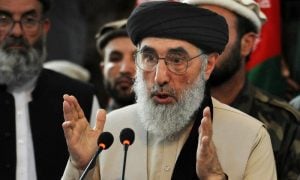
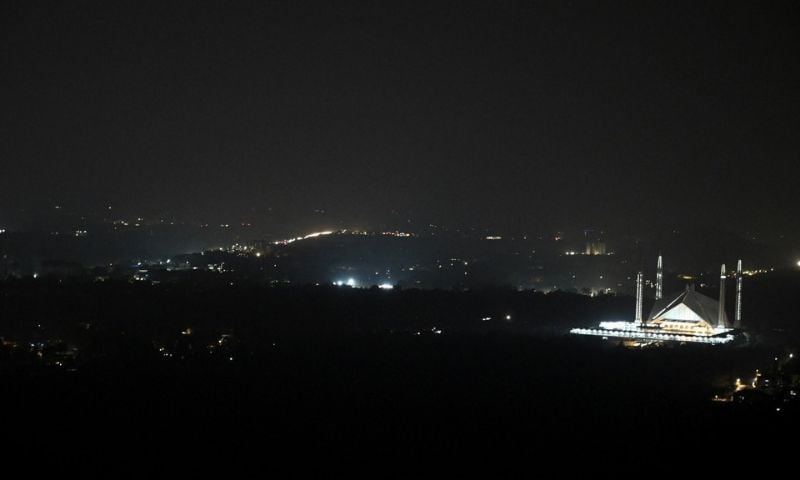
ISLAMABAD: Pakistan has officially ended a month-long period of power outages following the arrival of a liquefied natural gas (LNG) shipment in the country, Power Minister Awais Leghari announced on Friday.
In a recorded televised message, the minister clarified that the recent disruptions in electricity supply were caused by a gas shortage stemming from the conflict between the United States and Iran, and were not due to “incompetence or system failure”.
لوڈ مینجمنٹ کے خاتمے کے متعلق وفاقی وزیر توانائی سردار اویس احمد خان لغاری کا اہم پیغام:
الحمدللہ، ایل این جی کی بروقت فراہمی کے بعد ملک میں بجلی کی لوڈ مینجمنٹ کا خاتمہ کر دیا گیا ہے۔ حالیہ دنوں میں گیس کی کمی کے باعث محدود وقت کے لیے لوڈ شیڈنگ کرنا پڑی، تاہم حکومت نے ذمہ دارانہ… pic.twitter.com/2ZCEPGDPGK— Awais Leghari (@akleghari) May 1, 2026
Timeline of outages and recovery
Leghari detailed the progression of loadshedding over recent weeks:
- April 13–14:Consumers faced power cuts lasting up to five hours.
- April 15–16:Outages extended to approximately seven hours.
- Following days:Loadshedding was reduced to zero.
- Until April 29:Outages were limited to 2–2.5 hours.
He noted that loadshedding had not been experienced in Pakistan for six to seven years, having been eliminated during the tenure of former Prime Minister Nawaz Sharif.
Reasons behind the crisis
The minister explained that reliance on diesel or furnace oil would have made electricity significantly more expensive. He highlighted that hydropower generation increased to 6,000 megawatts during this period, compared to the previous 1,000 MW.
Due to the unavailability of LNG, the government had to operate fuel-based power plants to stabilise supply. Furnace oil was used selectively to protect consumers from additional financial burden while keeping loadshedding to a minimum.
Leghari confirmed that the government purchased expensive gas on the spot market to mitigate the situation, and the first LNG cargo arrived in Pakistan a day prior to his announcement.
On April 24, state-run Pakistan LNG Limited had secured three bids between 17.997 and 17.997 and 18.88 per million British thermal units for LNG cargoes scheduled for delivery between April 27 and May 8.
Minister for Power @akleghari has announced an end to power load-shedding#RadioPakistan #News https://t.co/Bg8eGJThJL pic.twitter.com/OJzzpMVdJv
— Radio Pakistan (@RadioPakistan) May 1, 2026
Government assurances
The minister promised that no further loadshedding would take place and expressed confidence that the transmission system would withstand the peak summer season.
He also recalled that Qatar’s state-run energy firm had declared force majeure, creating a huge gap in power requirements met through gas plants during peak hours. The decision to implement two hours of daily loadshedding was made to keep electricity prices under control.
On April 14, the government had announced more than two hours of daily loadshedding during peak hours, though K-Electric and Hyderabad Electric Supply Company were excluded from that plan.