


KEY POINTS
- Senior men’s team endured a tough year, finishing last in the WTC.
- Asia Cup defeat to India was compounded by off-field controversies.
- Shaheen Shah Afridi and Salman Ali Agha took over ODI and T20I captaincy.
- Pakistan’s youth teams delivered a historic treble, winning the Hong Kong Super Sixes, ACC Asia Cup Rising Stars, and the first-ever U19 Asia Cup.
- Women’s team started strongly by winning the World Cup Qualifier but struggled afterwards.
ISLAMABAD: Pakistan’s cricketing year in 2025 was a tale of two realities: a senior men’s team grappling with inconsistency and high-profile setbacks, and a dazzling youth brigade that delivered historic triumphs, firmly shifting the nation’s focus toward a bright future.
The campaign began disastrously with a 2-0 Test series whitewash in South Africa, setting a disappointing tone. The ICC World Test Championship 2023-25 cycle concluded with Pakistan at the bottom of the table.
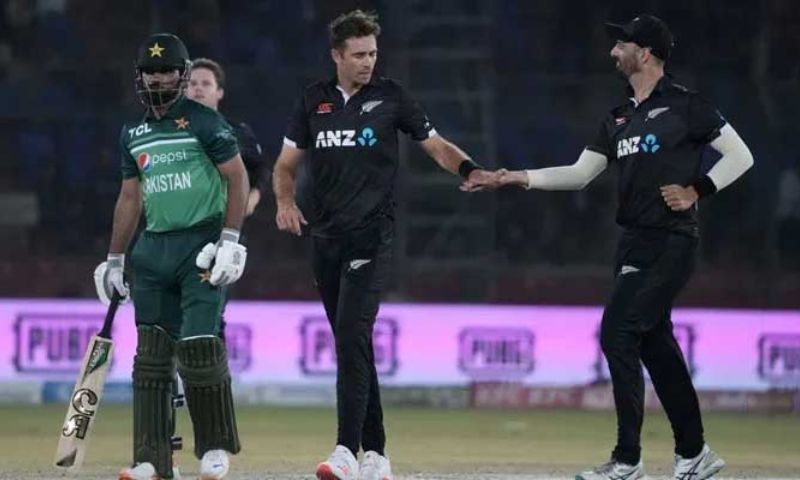
In limited-overs cricket, frustrations continued with a loss in a home ODI tri-series final to New Zealand and a disappointing group-stage exit in the home ICC Champions Trophy, a tournament overshadowed by India playing its matches in Dubai.
A brutal tour of New Zealand resulted in a 4-1 T20I and 3-0 ODI series defeat. The low point came at the ACC Asia Cup 2025, where India swept Pakistan in all stages, including the final, a tournament marred by controversies over handshake snubs and a trophy ceremony boycott by the Indian team.
Amidst the struggles, leadership changed hands. Shaheen Shah Afridi replaced Mohammad Rizwan as ODI captain, while Salman Ali Agha took over the T20I reins.
Glimmers of Hope
The senior team found solace on home soil, securing T20I series wins against Bangladesh and the West Indies, and clinching two T20I tri-series titles in Sharjah and Rawalpindi.
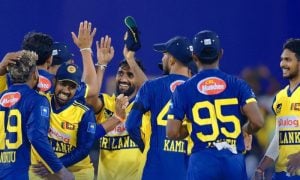
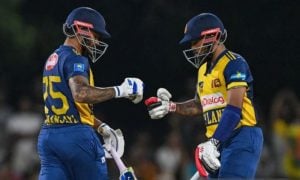
The year ended strongly with back-to-back ODI series victories against South Africa (2-1) and a 3-0 whitewash of Sri Lanka under Shaheen’s new leadership. Domestically, Shaheen Afridi led the Lahore Qalandars to a historic third PSL title.
Youth Revolution
While the seniors faltered, Pakistan’s young stars authored a spectacular story, winning three major continental titles.
Hong Kong Super Sixes Glory: The Pakistan Shaheens won the title, dominating the final against Kuwait.
ACC Asia Cup Rising Stars: The ‘A’ team went unbeaten, claiming the inaugural title in a dramatic Super Over win against Bangladesh A.
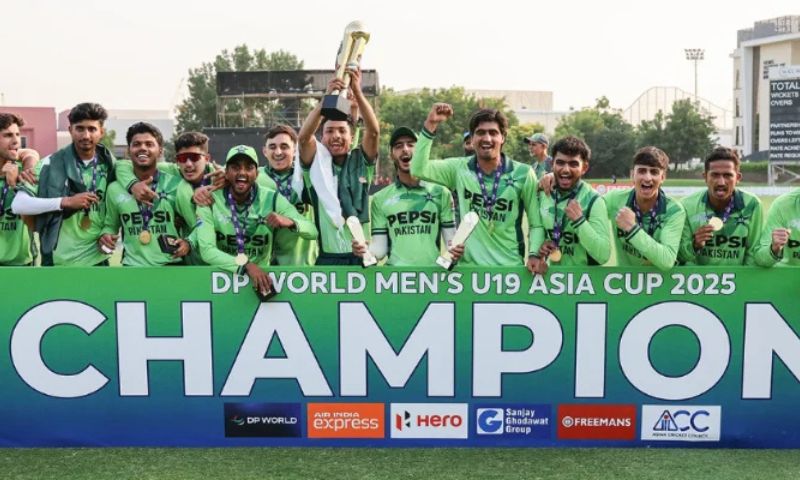
Historic U19 Asia Cup Triumph: The crown jewel was the junior team’s first-ever U19 Asia Cup title, secured with a commanding victory over arch-rivals India in the final.
Women’s Team: Season of Promising Starts
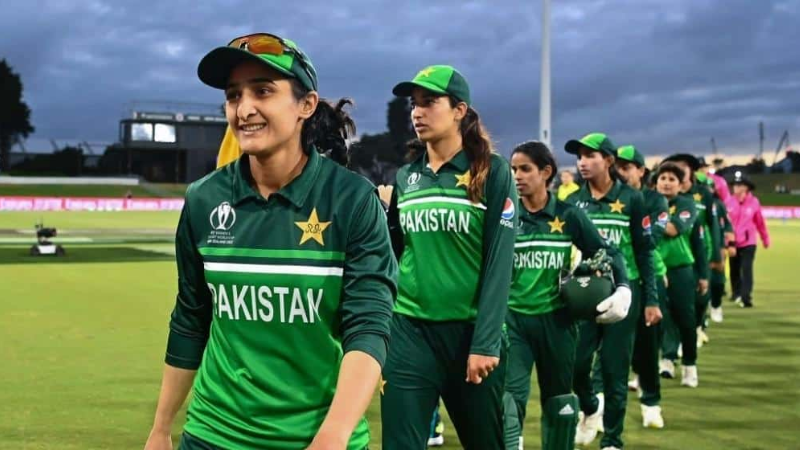
The women’s team experienced a year of stark contrasts. They began emphatically, winning the ICC Women’s World Cup Qualifier on home soil with seven straight victories.
However, momentum faded with series losses in Ireland (2-1) and at home to South Africa (2-1). Their ICC Women’s World Cup 2025 campaign was winless, plagued by defeat and persistent rain that washed out three matches.
Foundations for Tomorrow
2025 underscored a pivotal shift for Pakistan cricket. The senior men’s team faced undeniable challenges, but the unprecedented success of the U19, ‘A’, and Shaheens teams has unmistakably charted the course forward.
The year may have ended with mixed results, but it conclusively proved that Pakistan’s most compelling cricketing promise now resides in its triumphant youth.
India Uses Cricket as a Political Arena
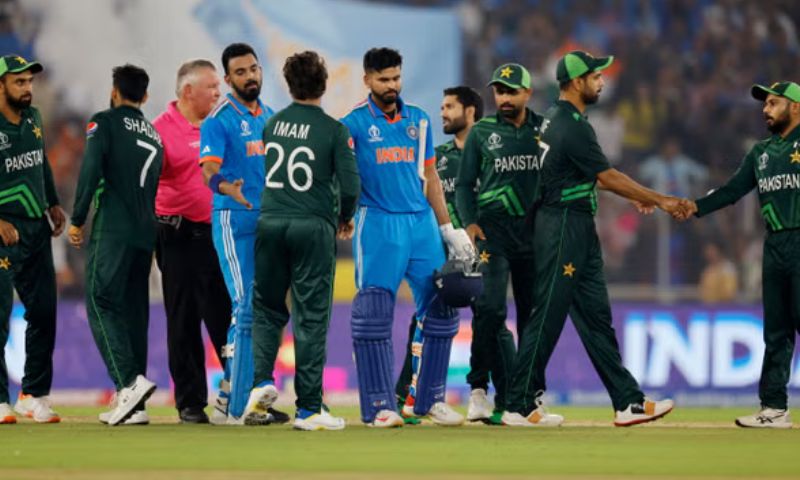
In 2025, India’s cricket relations with Pakistan were marked by actions widely seen as politicising the sport:
Ceremonial Snubs: The Indian team refused to accept the Asia Cup trophy from PCB Chairman Mohsin Naqvi, boycotting the official presentation.
Breach of Protocol: Players consistently avoided post-match handshakes with Pakistani counterparts after every encounter.
Event Boycotts: India refused to play against Pakistan in the World Championship of Legends (WCL), withdrawing from scheduled matches.
Pattern of Behaviour: Similar snubs were reported in other ACC events, creating a pattern of using multi-lateral tournaments to stage bilateral political statements.
These actions shifted focus from sporting merit to geopolitical messaging, leveraging cricket platforms to isolate Pakistan and deliberately breaching the traditional spirit of the game.
World Cup on the Horizon
As 2025 closes, Pakistan cricket stands at a crossroads of confidence and unresolved tension. The teams have proven their capability to win under pressure and against their biggest rival, even in a hostile atmosphere.
The 2026 T20 World Cup, looming on the horizon, now presents the ultimate stage: a global tournament where the world will watch not just for skill, but to see if the handshake will finally be offered, or if the icy divide will persist.
For Pakistan, 2025 was the year they won matches and trophies, but the battle for cricket’s soul with India remains agonisingly undecided.