


Key points
- Pakistan’s PM Sharif and President Zardari condemned the Bondi Beach terror attack and expressed solidarity with Australia.
- The shooting in Sydney killed 12 people, including one gunman, and injured 29 others.
- Australian PM Albanese called the attack “an act of evil antisemitism”.
- Police Commissioner said one shooter was killed and the other is in critical condition.
- The attack occurred during the “Chanukah by the Sea” event, attended by over 1,000 people.
- Social media falsely circulated the image of Pakistani national Naveed Akram
ISLAMABAD/SYDNEY: Pakistan’s Prime Minister Shehbaz Sharif on Sunday expressed condolences following a terrorist attack at Bondi Beach in Sydney, Australia, that left 12 people dead and dozens injured.
Writing on X, PM Sharif said, “My deepest condolences to the victims of the tragic terrorist attack at Bondi Beach, Sydney. Pakistan condemns terrorism in all its forms and manifestations. We stand in solidarity with the people and government of Australia in this difficult time.”
My deepest condolences to the victims of the tragic terrorist attack at Bondi Beach, Sydney. Pakistan condemns terrorism in all its forms and manifestations.
We stand in solidarity with the people and Government of Australia in this difficult time.@AlboMP— Shehbaz Sharif (@CMShehbaz) December 14, 2025
Pakistan’s President Asif Ali Zardari also condemned the attack and expressed solidarity with Australia’s Jewish community.
Pakistan, he said, “stands in solidarity with and condemns violence against innocent civilians,” according to the president’s official X account.
President Asif Ali Zardari has expressed sorrow over the tragic shooting in Sydney, conveyed condolences to the victims’ families & wished the injured a speedy recovery. 🇵🇰, itself a victim of terrorism, stands in solidarity with 🇦🇺 & condemns violence against innocent civilians.
— The President of Pakistan (@PresOfPakistan) December 14, 2025
‘An act of evil antisemitism’
Australian Prime Minister Anthony Albanese called the Bondi Beach shooting “an act of evil antisemitism” and said that the incident had been declared a terrorist attack.
Speaking after a National Security Committee meeting, he said, “There is no place for this hate, violence and terrorism in our nation.
My statement on the Bondi shooting attack. pic.twitter.com/LRAbMpcUEm
— Anthony Albanese (@AlboMP) December 14, 2025
Australia will never submit to division, violence or hatred.” Albanese praised civilians who helped others during the attack, describing them as heroes.
Sydney Police Chief declares shooting as terror incident
New South Wales Police Commissioner Mal Lanyon said the shooting occurred at 18:47 local time (07:47 GMT) on Sunday.
“As a result of the circumstances of the incident, I declared this to be a terrorist incident,” he said. Authorities confirmed that one of the two shooters was killed and the other remains in critical condition.
Police recovered explosive devices from one of the attackers’ vehicles and established an exclusion zone. Two officers were also wounded.
New South Wales police chief Mal Lanyon calls the shooting incident at Bondi Beach a “terrorist attack” pic.twitter.com/AKLHDAMjg1
— TRT World (@trtworld) December 14, 2025
The shooting occurred during the “Chanukah by the Sea” event marking the first day of Hanukkah.
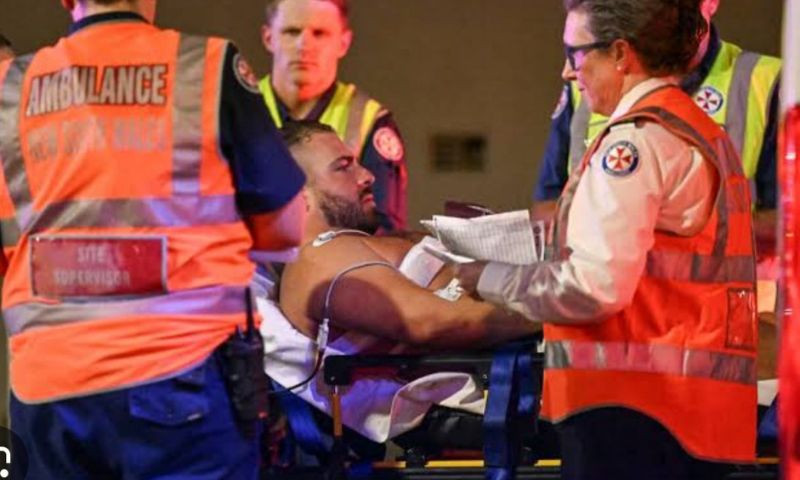
More than 1,000 people were attending the gathering on Bondi Beach when two gunmen opened fire, killing 12 people—including one shooter—and injuring 29 others.
Witnesses described chaos, with people fleeing across the beach and grassy areas. Emergency services treated multiple casualties, and a pump-action shotgun was reportedly recovered at the scene.
Who was the target?
Authorities said that the attack specifically targeted Australia’s Jewish community.
Israeli President Isaac Herzog condemned the assault as a “cruel attack on Jews” and urged Australian authorities to enhance efforts against antisemitism.
Attackers’ identity
Following the terror attack, misinformation circulated on social media falsely linking Pakistani national Naveed Akram to the incident.
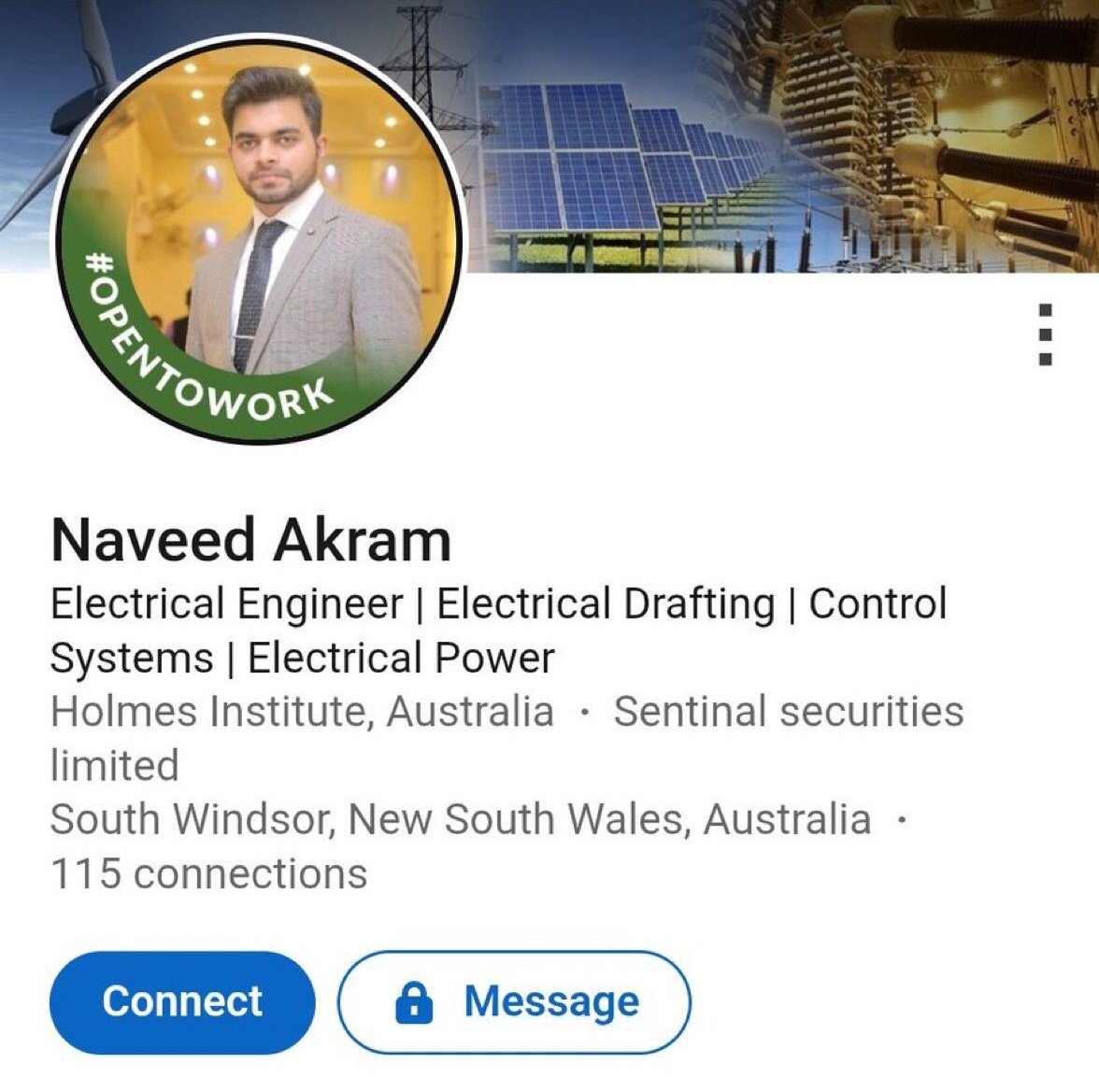
Naveed Akram, a resident of Lahore whose photo was being shared, clarified on Facebook that the image was being misused and urged the public to report and stop sharing it.
Naveed Akram wrote: “This is me, and I am completely innocent and have no connection whatsoever to what happened. Someone is falsely using my picture, which is putting my safety, reputation, and well-being at risk. I urgently ask everyone to stop sharing this image, report any accounts using it falsely, and correct others if you see this misinformation spreading.”
Important 🚨 pic.twitter.com/7Hlc3zRZTq
— Pakistan Strategic Forum (@ForumStrategic) December 14, 2025
Naveed Akram’s social media profile shows that he is an electrical engineer and is associated with Australia’s Holmes Institute in South Windsor, New South Wales.
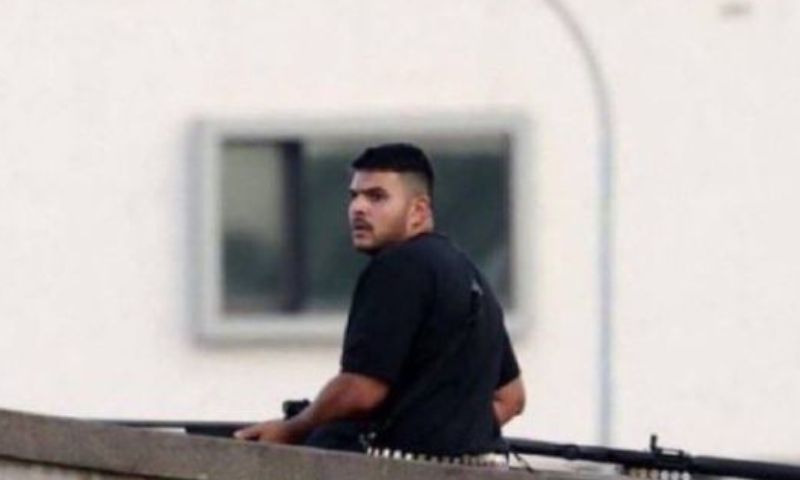
The actual attacker has been identified as Naveed Khan by various social media accounts. He is from Nangarhar, Afghanistan, and has completed Qirat and Tajweed from the Al-Murad Institute.
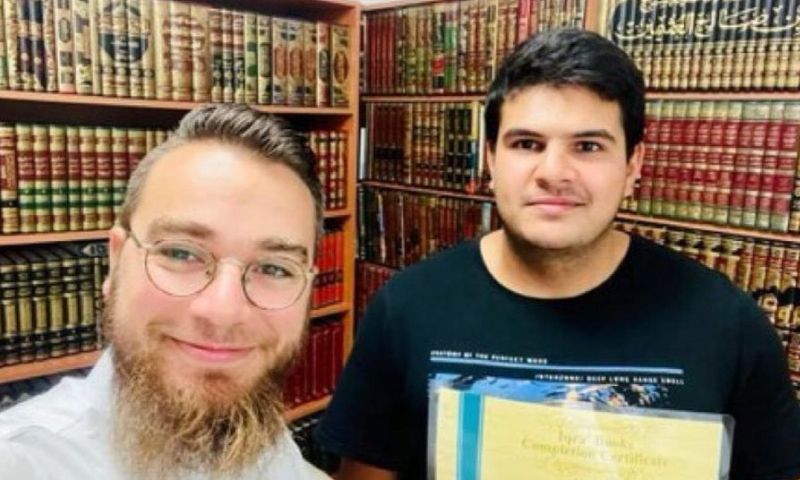
The facial features of the Pakistani national Naveed Khan and the Afghan suspect are entirely different; only their names are similar. However, some Afghan, Indian and Israeli media outlets incorrectly attributed the attack to the Pakistani Naveed Khan based solely on the name match.
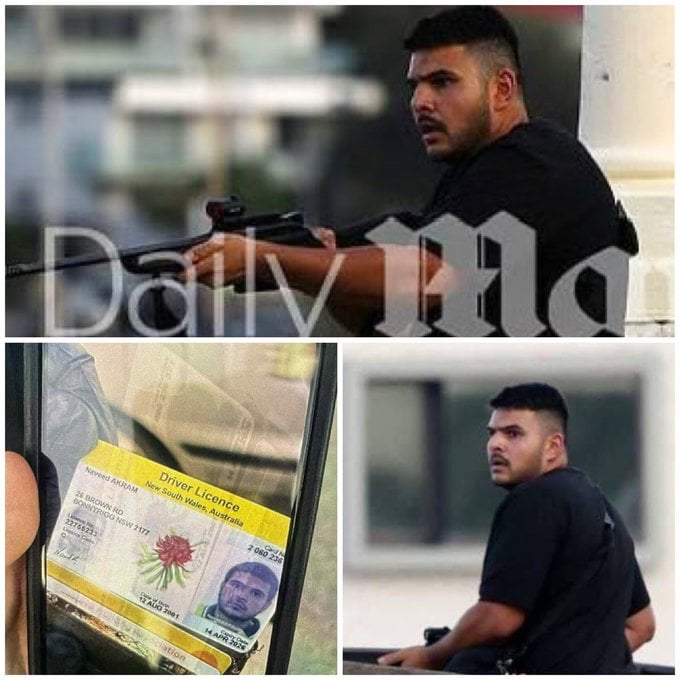
Subsequent fact-checking found that the individual identified in connection with the attack was an Afghan national, not the Pakistani engineer.
Credible sources, including ABC News (citing law enforcement), the Sydney Morning Herald, and Daily Mail Australia, describe one of the attackers, Naveed, as a local bricklayer with ties to Sydney.
ABC News and the Sydney Morning Herald report him as a Sydney south-west resident. He has local employment history and community links in New South Wales.
No official Australian sources (ABC, Guardian Australia, Reuters, New York Times) indicate Pakistani nationality or birth. Police statements focus on his local status, with no foreign citizenship mentioned.
Australian authorities have not identified any individual named Naveed Akram in connection with the attack.
Baseless propaganda
Some media reports, particularly from Indian media, falsely blamed Naveed Akram, a Pakistani national and electrical engineer, for the attack. However, these media reports presented no credible evidence to substantiate their claims.
Economic Times, Zee News, Financial Express, and New Indian Express claimed “Pakistan origin” or “Pakistani national,” often citing social media (e.g., alleged ID photos in a Pakistan cricket jersey) or unverified links to Pakistani institutions.
These claims lack confirmation from Australian police or investigations.
The fact is that the person whose picture is being circulated by Indian media clarified on Facebook that his image is being falsely used and urged the public to report the fake/misinformation.
Australian media (ABC, SMH) describe him solely as a Sydney local, without nationality claims beyond residency.
The spread of “Pakistani” labels aligns with geopolitical tensions, exploiting the tragedy to target communities, according to security analysts.
Blaming Pakistan (or any country) for an individual’s actions is irresponsible, especially for an Australian resident. Ethnicity or ancestral heritage differs from nationality and should not stigmatise groups, security analysts said.
The Bondi Beach shooting, Australia’s deadliest since the 1996 Port Arthur massacre, has highlighted the threat of terrorism.