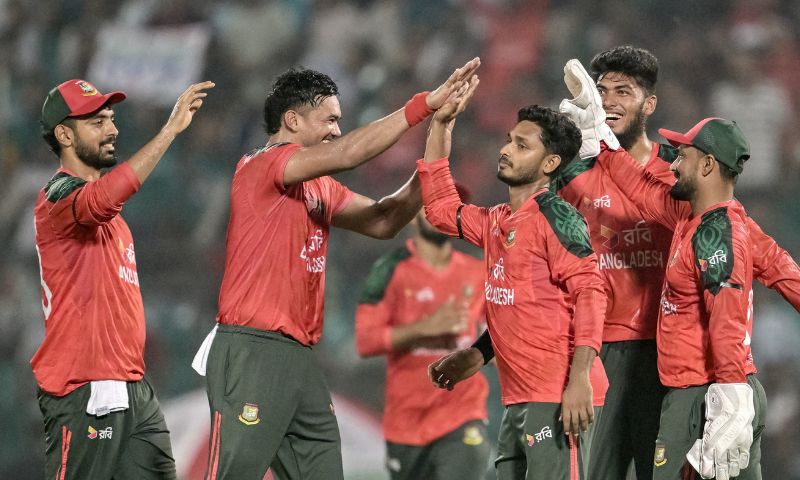



LAHORE, Pakistan: Pakistan Cricket Board (PCB) has assured support for the Bangladesh Cricket Board (BCB), which is seeking to relocate its T20 World Cup matches away from India over security concerns, vowing to resist any external pressure on the matter.
In a show of regional cricket solidarity, PCB confirmed that the board will stand firmly with Bangladesh and is prepared to coordinate with other international cricket boards to present a united front.
This move amplifies a contentious pre-tournament debate surrounding the safety and logistics of the upcoming global event.
‘Pressure and manipulation’
PCB sources outlined a clear position, stating that Bangladesh has an unequivocal right to decide not to send its team to India based on genuine security apprehensions.
The board affirmed it would support the BCB “against any pressure or manipulation” related to the tournament’s scheduling.
“The PCB will monitor the situation closely and work with other international cricket boards to ensure that Bangladesh is not subjected to unfair pressure,” official stated, highlighting a strategy of collective action.
BCB denies ICC ultimatum
PCB’s strong backing comes amid swirling claims from sections of the Indian media. Reports suggested the International Cricket Council (ICC) had rejected Bangladesh’s request for a neutral venue and warned of point deductions should the team refuse to play in India.
These reports have been categorically dismissed by BCB President Aminul Islam.
“These are false and unfounded. The ICC has not issued any such decision, nor mentioned any point deduction,” Islam stated.
He clarified that discussions with the ICC are ongoing and that the board is preparing to submit a detailed dossier outlining its specific security concerns to cricket’s global governing body.
“The safety of our players is paramount,” Islam reiterated. “Our players are not safe in India, which is why we made this request for a neutral venue. We are in communication with the ICC to find a resolution.”
Flashpoint in cricket
The dispute transcends a bilateral fixture, evolving into a broader diplomatic flashpoint within the sport.
The PCB’s proactive alignment with Bangladesh signals a coordinated challenge to what both boards may perceive as unilateral tournament arrangements.
The solidarity also recalls the complex political and security dynamics that have frequently intersected with cricket in the subcontinent, affecting tour schedules and tournament participation.