


KEY POINTS
- Chaman–Spin Boldak border partially reopened for Afghan transit trade
- Full resumption expected after Oct 25 under new cross-border agreement
- Istanbul meeting may launch long-term composite dialogue with Afghan Taliban
- Turkiye may act as guarantor of commitments under emerging framework
ISLAMABAD: Pakistan and Afghanistan on Tuesday moved a step closer toward normalising the tense border, with the partial reopening of the Chaman–Spin Boldak border crossing, beginning a gradual process of a full resumption of cross-border movement later this month.
According to The News and Samaa TV, the Chaman crossing reopened on Tuesday for Afghan transit-trade vehicles, allowing empty trucks to enter Pakistan from the Afghan side under tight security monitoring.
However, pedestrian and passenger movement remains suspended, and only drivers with valid passports and visas are being permitted to cross.
Officials told Bol News that a complete reopening of all major crossings is unlikely before October 25, when the two countries are expected to formalise a sustainable border management framework.
The arrangement will build upon the initial ceasefire understanding reached in Doha last week, which helped end days of clashes that had forced the shutdown of major trade routes.
Diplomatic sources described the current move as a “controlled reopening” aimed at easing trade pressure while both sides review new coordination mechanisms.
Daily Ausaf reported that the decision will be reviewed on a daily basis, with gradual expansion subject to the security situation on both sides of the frontier.
Meanwhile, preparations are underway for a high-level meeting in Istanbul, expected to mark the launch of a composite dialogue between Pakistan and the Afghan Taliban’s interim government.
If successful, the Istanbul huddle would institutionalise engagement on trade, border security, counterterrorism, and connectivity.
A senior Pakistani official, speaking to WE News English on condition of anonymity, said that “guaranteeing the reining in of India-backed proxies would be the prerequisite, if not the precondition, of any future dialogue with the Afghan Taliban.”
The official added that Islamabad will insist on verifiable commitments to ensure Afghan soil is not used for hostile activities against Pakistan, and that Turkiye — which played a mediating role in the Doha talks — may serve as guarantor of those commitments from the Afghan Taliban.
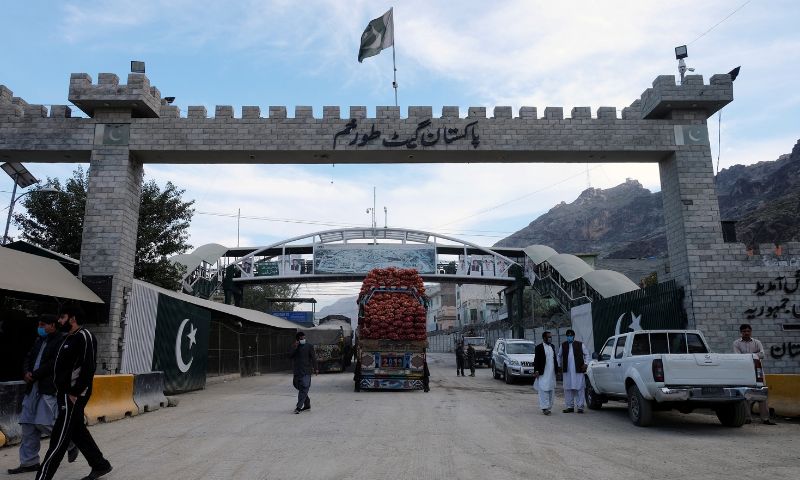
While Chaman–Spin Boldak has seen a limited activity resume, other crossings — including Torkham and Ghulam Khan in Khyber Pakhtunkhwa — remained closed and under observation.
Dawn reported that hundreds of trucks continue to be stranded at both ends, awaiting full clearance once border stability is confirmed.
The gradual reopening, coupled with planned engagements in Doha and Istanbul, underscores what officials call a “calibrated and forward-looking strategy” — one linking trade restoration to long-term security guarantees and regional peace.