


KEY POINTS
- Minister says Pakistan achieved macroeconomic stability, sustainable growth
- Inflation reduced from 23% to 4.5%; tax-to-GDP ratio improved
- Working groups formed on exports, taxes, and energy reforms
- Privatisation drive continues with PIA next after First Women Bank
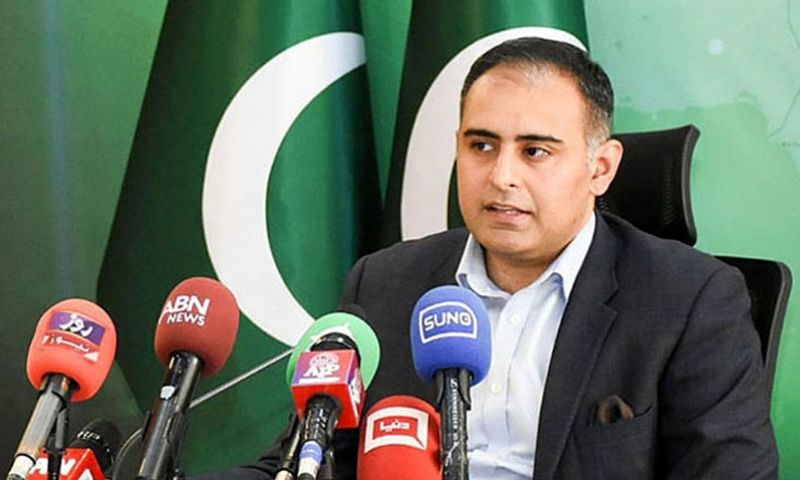
ISLAMABAD: Pakistan has achieved macroeconomic stability and sustainable economic growth over the past one and a half years, Minister of State for Finance Bilal Azhar Kayani on Monday said, citing a sharp fall in inflation and improved revenue performance.
Addressing a press conference in Islamabad, Kayani said the government has managed to contain inflation from 23 per cent to 4.5 per cent while increasing the Federal Board of Revenue’s (FBR) tax-to-GDP ratio.
He said the government’s focus has now shifted towards sustaining growth through an export-led model.
“We are fully committed to bringing a permanent solution for sustainable growth,” the minister said, adding that the government’s economic policies are aimed at ensuring long-term resilience.
Privatisation and reform agenda
Kayani said the government’s privatisation programme was gaining momentum, with the successful sale of the First Women Bank followed by plans to privatise Pakistan International Airlines (PIA) in the coming months.
He said that the process was being carried out with transparency and broad political consensus.
He said Prime Minister Shehbaz Sharif had recently held a three-hour consultative session with business leaders to take recommendations for a comprehensive growth strategy.
Following the discussions, the government formed multiple working groups to devise strategies on income tax, customs tariff, exports, energy, ports, railways, agriculture, and industry.
“The chairmanships of all these groups have been given to private-sector representatives to ensure that the reform process remains business-driven,” Kayani said, adding that their recommendations would soon be presented to the prime minister.
Focus on exports and investment climate
The minister said agriculture was being positioned as a key driver of exports, while infrastructure development projects — including the Main Line-1 (ML-1) railway project — were on track to be completed by 2028.
He added that the government was also working to strengthen the National Tariff Commission and enhance the country’s investment climate.
“We are committed to creating a conducive environment for foreign direct investment and improving ease of doing business,” he said.
Kayani said energy costs for industries and agriculture had been reduced from Rs 38 per unit to Rs 23 per unit for additional consumption over the next three years. Interest rates had also fallen by half, he added, while reforms were improving access to finance and simplifying regulatory processes.
“The direction is clear — lowering costs, improving business ease, and driving sustainable investment and employment,” Kayani said, attributing the current macroeconomic stability to the joint efforts of all national institutions.