


LONDON: Oil prices surged on Tuesday as fresh attacks on energy infrastructure across the Middle East heightened concerns over global supply, while equity markets showed resilience ahead of key central bank decisions.
International benchmark Brent crude rose around two percent to trade above $102 per barrel, while US benchmark West Texas Intermediate gained about 1.7 percent to hover near $95.
The gains partially reversed sharp losses in the previous session, which followed comments by Fatih Birol, head of the International Energy Agency, that additional emergency stockpiles could be released if needed.
Fresh attacks fuel supply concerns
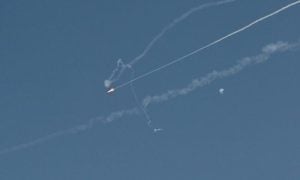
The rebound in prices came as Iran intensified attacks on energy facilities and shipping routes across the region.
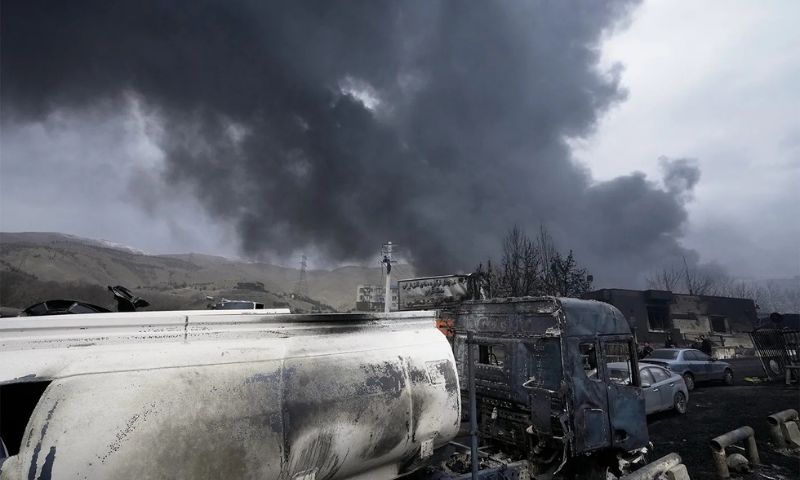
A drone strike hit the Fujairah oil complex in the United Arab Emirates, a key export hub that allows shipments to bypass the Strait of Hormuz.
Authorities also reported strikes on oil facilities in Iraq, marking the second such attack in four days.
The UAE suspended operations at its Shah natural gas field following the attack, while a separate strike caused a fire at Fujairah port.
A tanker was also struck by an “unknown projectile” near Fujairah, according to the UK Maritime Trade Operations Centre, which has recorded more than a dozen incidents involving vessels in the Gulf since the conflict began.
Iranian parliamentary speaker Mohammad Baqer Qalibaf warned that the Strait of Hormuz would not return to normal conditions amid the ongoing conflict.
“The Strait of Hormuz cannot be the same as before,” he said in a televised interview, adding that “there is no longer any security”.
Analysts said the focus was shifting from shipping disruptions to broader supply risks.
“The next stage of the Iran-US war has seen both sides step up attacks on energy infrastructure,” said Kathleen Brooks.
She added that concerns were “shifting from a shipping crisis … to an oil supply crisis”.
Markets show resilience
Despite rising oil prices, global equity markets advanced, supported by strong corporate earnings and optimism in the technology sector.
Shares in Nvidia surged after the chipmaker forecast at least $1 trillion in revenue by the end of 2027.
Airline stocks also gained, with Delta Air Lines and American Airlines rising nearly five percent after reporting better-than-expected first-quarter revenues.
Major US indices, including the Dow, S&P 500 and Nasdaq, opened higher, while European markets in London, Paris and Frankfurt were also in positive territory in afternoon trading.
Earlier in Asia, Hong Kong, Seoul and Taipei closed higher, though Tokyo and Shanghai ended lower.
“Stock markets have shown resilience,” said David Morrison, though he noted a “cautious tone” as investors weighed geopolitical risks and monetary policy expectations.
Central banks in focus
Investor attention is now turning to a series of central bank meetings this week, with markets expecting policymakers to hold interest rates steady amid uncertainty.
Higher energy prices have raised concerns about inflation, even as signs emerge of a softening labour market in the United States.
“The US Federal Reserve is in a bind,” said Bret Kenwell.
“Slower growth would normally argue for easing policy, but inflation remains sticky, and surging oil prices add another layer of uncertainty,” he said.
Australia’s central bank raised its key interest rate on Tuesday, citing “sharply higher fuel prices”.
Currency markets remained largely steady, with the dollar little changed against major peers.
Supply disruptions
Oil prices remain about 40 percent higher than before the Iran war began on February 28, when US and Israeli strikes triggered Iran’s response.
The Strait of Hormuz, which typically carries around one-fifth of global oil and liquefied natural gas supplies, remains effectively closed.
The IEA said its member countries could release additional reserves beyond the 400 million barrels already agreed, though Birol cautioned that stockpiles were not a long-term solution.
“While our stock release can provide a buffer for now, it is not a lasting solution,” he said.