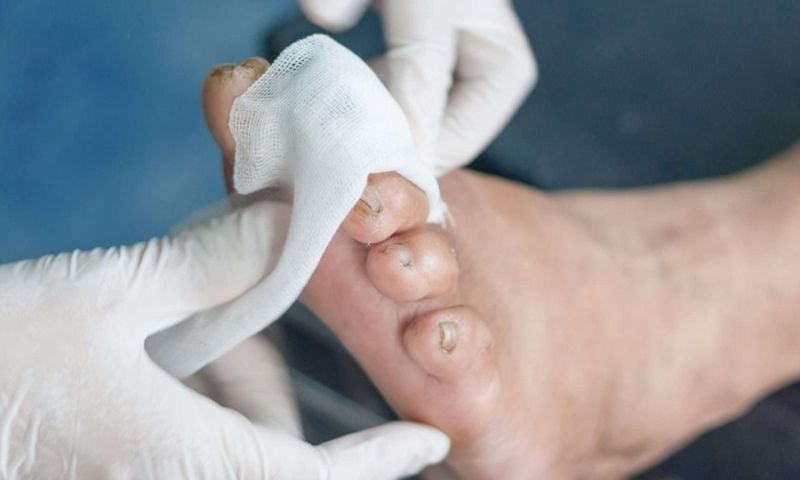



RIVERSIDE, United States: Scientists at the University of California have developed a battery-powered gel that delivers oxygen directly into chronic wounds, significantly improving healing in preclinical tests and offering hope of reducing amputations among high-risk patients.
The research, published in Nature Communications Materials, addresses a key cause of chronic wounds — a severe lack of oxygen in deep tissue layers known as hypoxia.
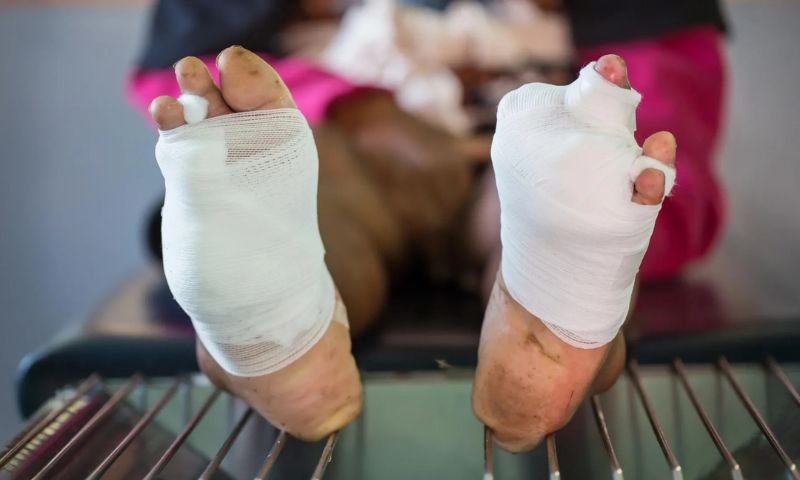
Chronic wounds, defined as injuries that fail to heal within a month, affect about 12 million people worldwide each year, including an estimated 4.5 million in the United States.
Around one in five patients ultimately face amputation.
Tackling oxygen deprivation
According to the research team, insufficient oxygen prevents wounds from progressing through the normal stages of healing.
These include inflammation, vascularisation, remodelling and regeneration.
“Chronic wounds don’t heal by themselves,” said Iman Noshadi, associate professor of bioengineering at UC Riverside, who led the study.
“In any of these stages, lack of a stable, consistent oxygen supply is a big problem,” he said.
When oxygen cannot reach deeper layers of damaged tissue, wounds remain inflamed.
This environment encourages bacterial growth and tissue breakdown rather than repair.
How the gel works
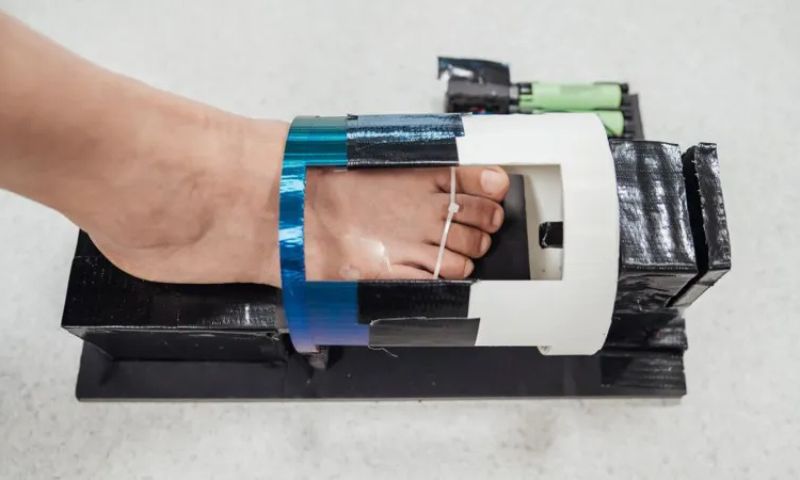
The researchers engineered a soft, flexible hydrogel made from water and a choline-based liquid. Choline is antibacterial, non-toxic and biocompatible.
When connected to a small battery similar to those used in hearing aids, the gel acts as a miniature electrochemical device.
It splits water molecules and steadily releases oxygen directly into the wound for up to a month.
ALSO READ: Discovery of New Gene Offers Fresh Hope for Type 2 Diabetes Treatment
Unlike conventional treatments that supply oxygen only at the surface, the gel conforms to the wound’s shape before solidifying.
This allows it to reach uneven and deeply hypoxic areas where infection risk is highest.
Continuous oxygen delivery is crucial because the formation of new blood vessels can take weeks.
Short bursts of oxygen are often insufficient to sustain long-term healing.
Promising results in mice
The team tested the gel on older and diabetic mice, whose wounds resemble chronic wounds seen in elderly patients.
In untreated animals, injuries failed to close and were often fatal. In contrast, wounds treated with the oxygen-producing patch, replaced weekly, healed completely in about 23 days.
“We could make this patch as a product where the gel may need to be renewed periodically,” said Prince David Okoro, a doctoral candidate in Noshadi’s laboratory and co-author of the study.
Reducing inflammation
Beyond oxygen delivery, the gel may help regulate the immune response.
Chronic wounds often contain high levels of reactive oxygen species, unstable molecules that damage cells and prolong inflammation.
Choline, one of the gel’s main components, helps calm excessive immune activity.
By delivering stable oxygen while reducing inflammation, the gel aims to restore healthier conditions for tissue repair.
“There are bandages that absorb fluid, and some that release antimicrobial agents,” Okoro said.
“But none of them really address hypoxia, which is the fundamental problem. We’re tackling that directly.”
Broader potential
The researchers say the technology could extend beyond wound care.
Oxygen and nutrient shortages are major obstacles in efforts to grow lab-made tissues and replacement organs.
“When the thickness of a tissue increases, it’s hard to diffuse that tissue with what it needs, so cells start dying,” Noshadi said.
“This project can be seen as a bridge to creating and sustaining larger organs for people in need of them.”
The rise in chronic wounds is linked to ageing populations, increasing diabetes rates and sedentary lifestyles.
Baishali Kanjilal, a co-author of the study, said the innovation could help address a growing public health challenge.
“It’s hard to get to the societal roots of our problems,” she said.
“But this innovation represents a chance to reduce amputations, improve quality of life, and give the body what it needs to heal itself.”