


Key Points:
- Iranian attacks on tankers and energy infrastructure have already disrupted Gulf shipping
- Oil prices have surged above $100 a barrel after the Strait of Hormuz crisis
- Global oil supply has dropped sharply as tanker traffic through the strait collapsed
- Economists warn the shock could fuel inflation and slow global growth worldwide
ISLAMABAD: The expanding Iran War is rapidly turning into an energy crisis with global economic consequences. The eruption on February 28 has pushed oil markets into turmoil, sending Brent crude from about $73 per barrel before the conflict to above $100 and briefly near $119 during peak volatility.
Oil markets react quickly to conflict in the Gulf. Since the fighting began, energy traders have steadily pushed prices higher as tanker attacks and shipping disruptions spread across the Strait of Hormuz. The current war has again exposed how deeply the world economy depends on energy routes passing through a small and volatile region.
The Strait that moves the world’s oil
At the centre of the crisis lies the Strait of Hormuz. It is one of the most critical shipping routes on earth.
About one‑fifth of the world’s petroleum supply moves through this narrow waterway, according to the US Energy Information Administration.
When shipping slows there, the effect spreads instantly through global markets.
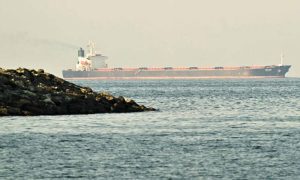
The current conflict has already seen attacks on tankers, drones striking energy facilities and a sharp collapse in maritime traffic. Tanker movement through the strait fell dramatically as shipping companies suspended voyages and vessels waited outside the Gulf to avoid attacks.
A disruption shaking energy markets
Energy analysts say the scale of disruption is already historic.
The International Energy Agency says the war has already triggered the largest disruption in oil supply in modern history, with global output expected to fall by around 8 million barrels per day as Gulf production and exports decline.
Oil markets react strongly to supply uncertainty. Traders move quickly to secure future deliveries.
The result has been a rapid surge in prices across global energy markets, with Brent crude climbing from the low $70s before the war to triple‑digit territory within days.
The return of triple‑digit oil
Oil prices have surged sharply since the war erupted on February 28, reflecting both real supply disruption and market panic over the security of Gulf exports.
Before the conflict, Brent crude was trading around $73 per barrel in late February. As the war began and markets reopened, prices quickly climbed above $80 and then above $90 within days as supply fears intensified.
By early March, Brent had risen to about $81–$85 per barrel, marking a rapid double‑digit jump in just a few trading sessions as energy traders priced in the risk of supply disruptions.
The escalation of tanker attacks and the disruption of shipping through the Strait of Hormuz then triggered a far steeper surge. Brent crude briefly touched about $119 per barrel during volatile trading before settling back near the $100 mark.
Overall, oil prices have jumped more than 35 per cent since the war began, according to market data and analyst estimates.
Energy traders respond not only to actual shortages but also to perceived risk.
A missile strike, a tanker attack or the closure of a key shipping route can push markets sharply higher.
These price shocks quickly spread beyond fuel markets.
Inflation spreads through the economy
Oil is a basic input for transport, manufacturing and agriculture. It is also the
When oil prices rise, shipping costs increase. Fertiliser becomes more expensive. Food production costs climb.
Economic research suggests that a 10 per cent rise in oil prices can lift global inflation by roughly 0.35 percentage points within a year.
Consumers eventually feel the impact at petrol pumps and grocery stores.
The threat of stagflation
For central banks, the crisis presents a dilemma.
Higher energy prices push inflation upward. At the same time, geopolitical instability weakens economic growth.
Economists call this combination stagflation.
Financial markets have already reacted sharply. Global stock markets fell as oil prices jumped and investors responded to the escalating conflict.
A reminder of global vulnerability
The emerging oil shock highlights a deeper structural problem.
The global economy still relies heavily on fossil fuels transported through a few strategic chokepoints.
A conflict in one region can therefore send economic shockwaves across continents.
Until energy systems become more diversified and resilient, such crises will continue to threaten global stability.