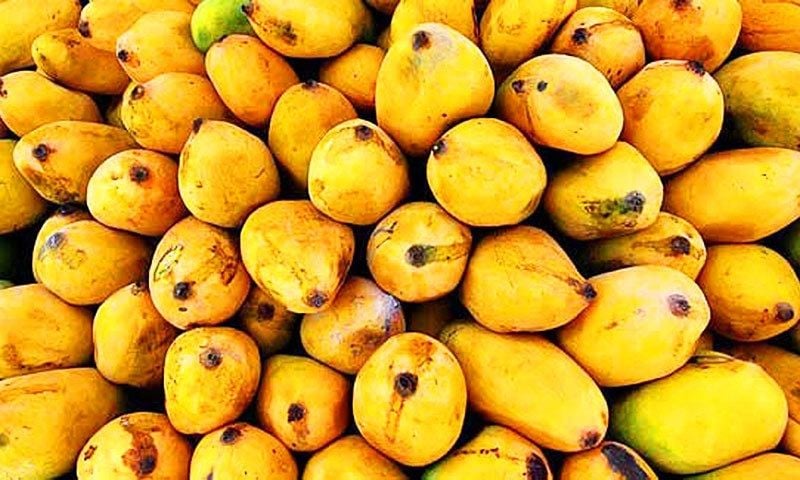
KATHMANDU, Nepal: Nepal has imposed a complete ban on the import of Indian mangoes and several other fruits after quarantine inspections detected excessive chemical pesticide residues and failures to meet phytosanitary requirements.
Nepal’s Ministry of Agriculture and Livestock Development said the restrictions have been in place since April-May at quarantine checkpoints, following repeated detection of unsafe levels of chemical residues in imported consignments.
Food safety authorities and customs officials at key entry points identified “alarmingly high” levels of hazardous chemical pesticides and ripening agents in incoming shipments, the ministry said.
The agriculture ministry said the imports failed critical phytosanitary checks, prompting the government to immediately halt the entry of mangoes and other fresh fruits from India.
The ministry said the decision was taken on public health grounds.
The government has made it clear that public safety remains paramount, declaring that the entry of such chemically treated fruits will not be permitted until proper and robust screening protocols are permanently established at quarantine facilities.
The Nepali government has defended the move as a necessary step to strengthen food safety standards and protect consumers.
Officials said stricter inspections at quarantine checkpoints had revealed repeated violations involving chemical contamination in imported fruit consignments.
The restrictions apply not only to mangoes but also to other fresh fruit imports from India, according to the ministry.
The ban comes during the peak mango export season in South Asia and will affect India’s fruit export sector, which has already faced scrutiny in other international markets.
Japan has also suspended imports of Indian mangoes for the first time in 20 years. Triggered by lapses in pest-control procedures at India’s treatment facilities, the Yokohama Plant Protection Association rejects all shipments with certificates issued after March 25, 2026.
Manish Kumar Pal, spokesperson for the Ministry of Land Management, Agriculture and Cooperatives of Madhes Province, said that in previous years, pesticide-contaminated Indian mangoes had entered local markets, but the new restrictions would improve food safety and encourage domestic production.
“The federal government’s decision will provide additional encouragement to local production, while citizens will have access to healthier and safer produce,” he said.
The decision reflects broader concerns among importing countries over pesticide residues and compliance with export protocols in agricultural shipments.