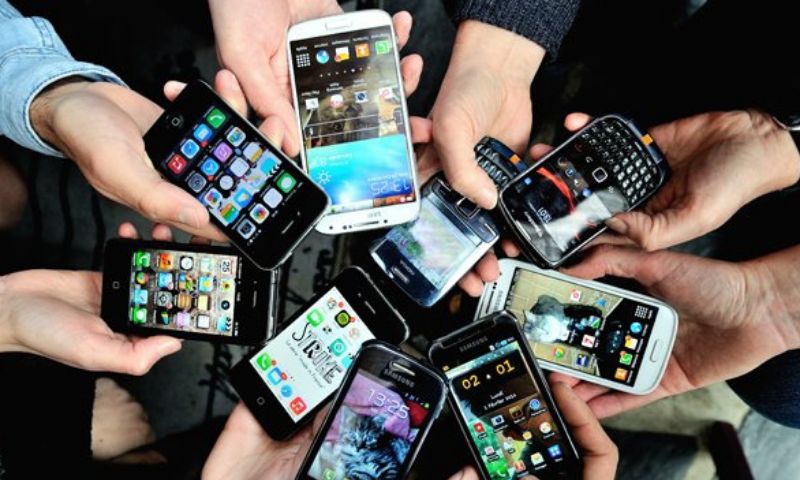



ISLAMABAD: The National Assembly’s (NA) Standing Committee on Finance has called Pakistan’s mobile phone taxes “irrational” and “narrow-minded,” criticizing the Federal Board of Revenue (FBR) for imposing levies that exceed 55% of a handset’s price and hinder the country’s push towards digitisation.
Lawmakers raised concerns over multiple taxes charged on mobile phones, including mobile levy, regulatory duty, withholding tax, and sales tax.
For a phone valued at $700, consumers face Rs16,000 in mobile levy, Rs22,000 regulatory duty, Rs11,500 withholding tax, and a 25% sales tax, amounting to nearly half the phone’s price. In the last fiscal year alone, the FBR collected Rs18 billion on a single category of high-end handsets and a total of Rs82 billion on phones overall.
“This approach serves only the FBR, not the economy,” said MNA Syed Naveed Qamar, chairman of the finance panel. “Smartphones are no longer a luxury—they are a necessity. Pakistan does not exist for the sake of the FBR.”
Other committee members echoed the sentiment. MNA Sharmila Faruqi shared her own experience, saying she refrained from activating a Rs370,000 phone due to Rs190,000 in registration taxes.
MNA Ali Kasim Gilani highlighted the stark tax disparity between imported and locally assembled phones, noting that imports bear over 55% taxes while local handsets pay only 6%.
The committee has directed the FBR to conduct a thorough analysis of the existing tax structure and its impact on smartphone usage, with recommendations to be presented by mid-March for consideration in the next budget.
According to Express Tribune, the chairman of the Pakistan Telecommunication Authority (PTA) also highlighted the technology gap, noting that while 60% of locally assembled phones are smartphones, only 2% are 5G-enabled, even as the government prepares for a 5G licence auction in February.
Lawmakers warned that excessive taxes not only discourage technology adoption but also create loopholes favoring local assemblers, a situation they described as “contrary to Prime Minister Shehbaz Sharif’s vision of a digitised economy.”