


NEW DELHI: India’s headline economic growth may be impressive, but cracks in the foundation are becoming harder to ignore. The economy is projected to expand 7.4% in the fiscal year ending March, yet capital inflows remain subdued, and private investment continues to lag.
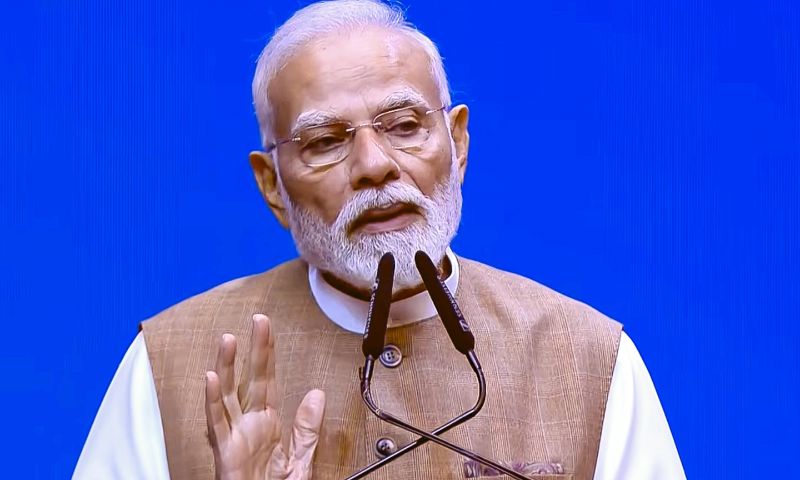
Analysts warn that Prime Minister Narendra Modi’s long-standing economic strategy — heavy infrastructure spending financed by the public sector — may be undermining India’s future growth prospects, according to a report published by Bloomberg on Monday.
Since coming to power in 2014, Modi has doubled federal capital expenditure as a share of GDP while keeping private-sector investment subdued. At the same time, India’s debt-to-GDP ratio has surged from the mid-60s to 81%, restricting available credit and discouraging entrepreneurial activity.
Experts argue that Modi’s approach has created a self-reinforcing cycle: high government borrowing drives up interest rates, discourages private investment, and forces the state to continue spending to keep the economy afloat.
“Shiny new ports and highways haven’t been enough to get companies to invest,” said one economist, highlighting the limitations of the current growth model.
The government faces a critical decision in its upcoming budget: continue the capital-intensive infrastructure push and risk breaching fiscal consolidation targets, or cut spending to reduce debt and restore conditions for private-sector investment.
With fiscal deficits hovering near 5% and infrastructure-dependent sectors like steel and cement at risk, the trade-off between political optics and economic prudence has never been starker.
While infrastructure projects provide visible achievements and bolster Modi’s political image, officials acknowledge that the long-term solution to India’s private investment problem requires the state to tighten its belt.
Without such a shift, experts warn, high government spending could continue to crowd out private capital, leaving India’s growth dependent on public borrowing rather than sustainable private-sector dynamism.