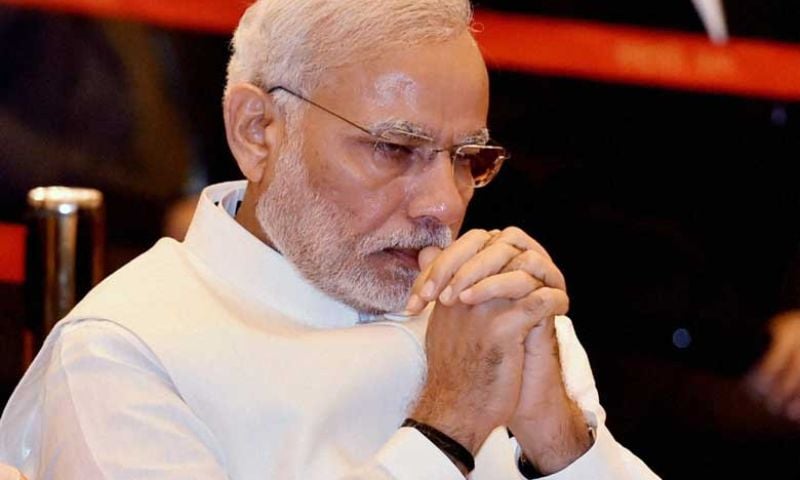



THE HAGUE: Indian Prime Minister Narendra Modi’s European tour has been overshadowed by growing protests and questions over human rights, minority protections, Kashmir and Khalistan, as demonstrators in the Netherlands, Norway and Sweden used his visit to criticise India’s domestic policies.
The visit, promoted by New Delhi as part of India’s diplomatic and economic outreach, has instead drawn attention to mounting international concerns over religious freedom, press freedom and the treatment of minorities under Modi’s government.
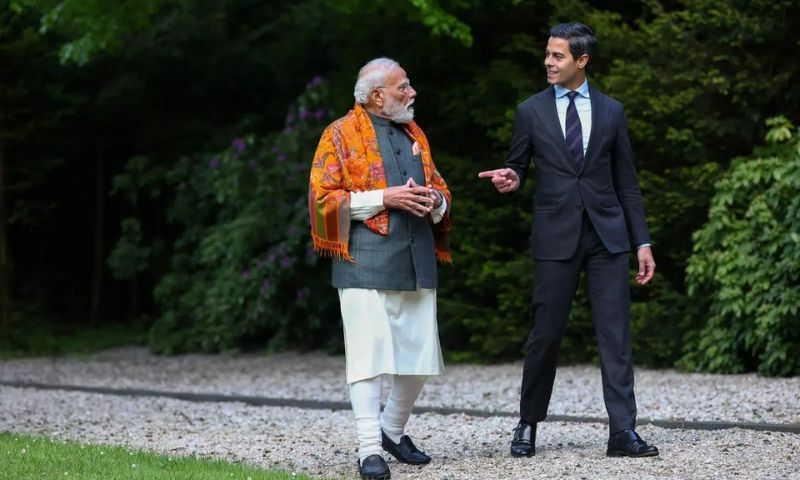
During Modi’s visit to the Netherlands, Dutch Prime Minister Rob Jetten raised concerns over freedom of expression and minority rights in India.
Protest visuals from Europe showed posters describing Modi as the “face of Hindutva terror,” while demonstrators carried placards highlighting abuses in Indian Illegally Occupied Jammu and Kashmir.
Ideology of Hindutva
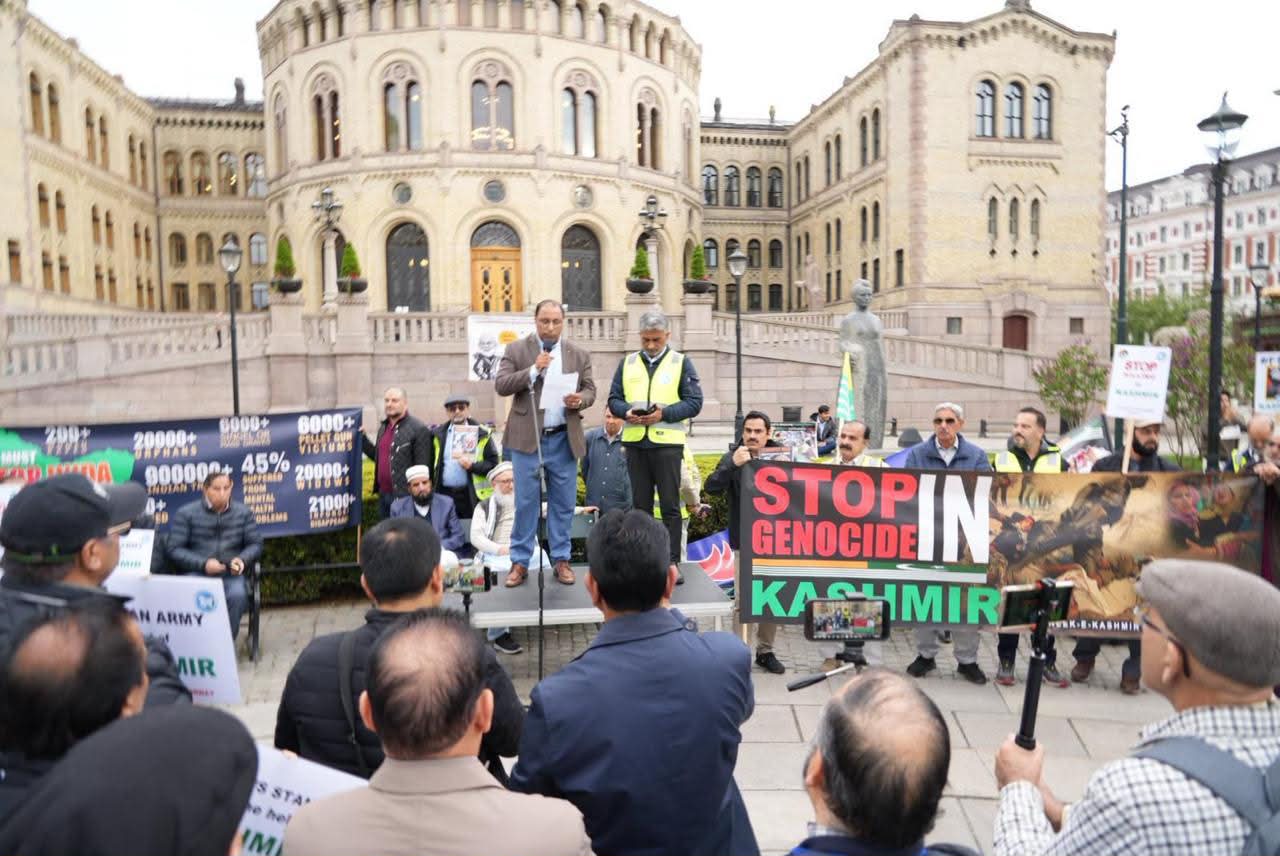
In Norway, the Indian prime minister’s visit was also met with demonstrations by Kashmiri and Sikh activists. Protesters gathered outside key locations, including near the Norwegian Parliament, carrying banners reading “Stop Genocide in Kashmir,” “Stop Killing in Kashmir,” and “Stop use of pellet guns in Kashmir.”
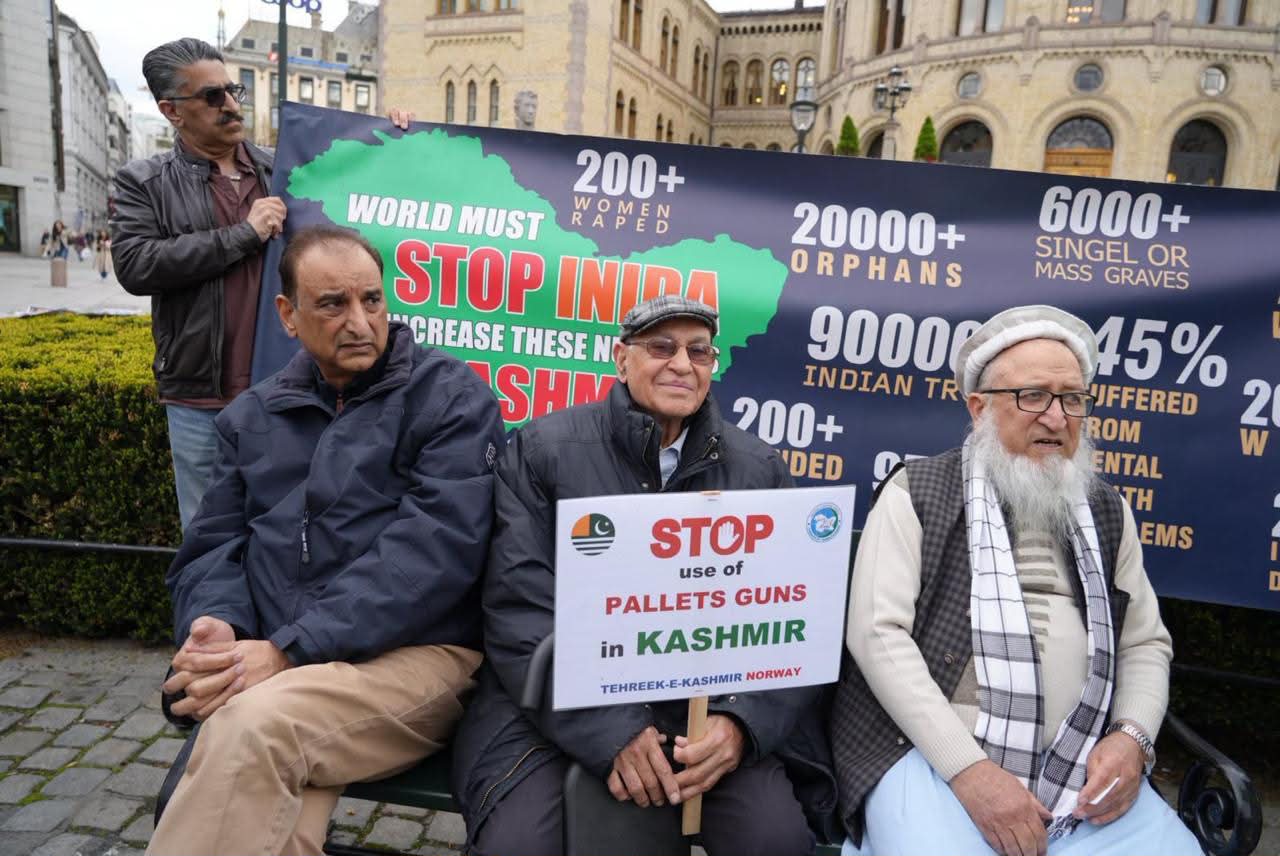
Speakers at the demonstrations criticised India’s actions in occupied Kashmir and urged the international community to hold the Modi government accountable for its policies toward Kashmiris and minorities.
Protesters said that the Modi government was attempting to suppress not only Kashmiris and Muslims but also other minority communities under the ideology of Hindutva.
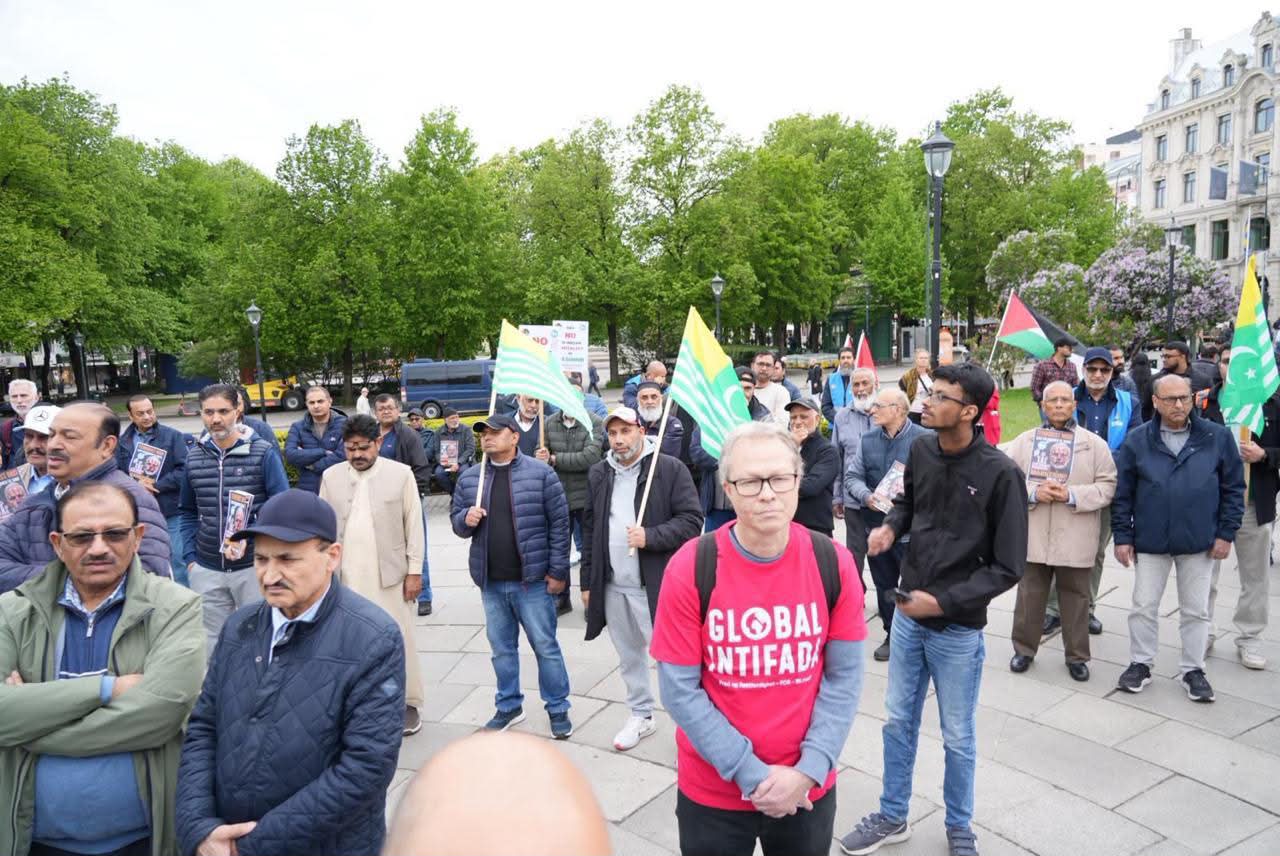
Slogans such as “India Leave Kashmir” and “Modi Go Back” were also heard during the demonstrations.
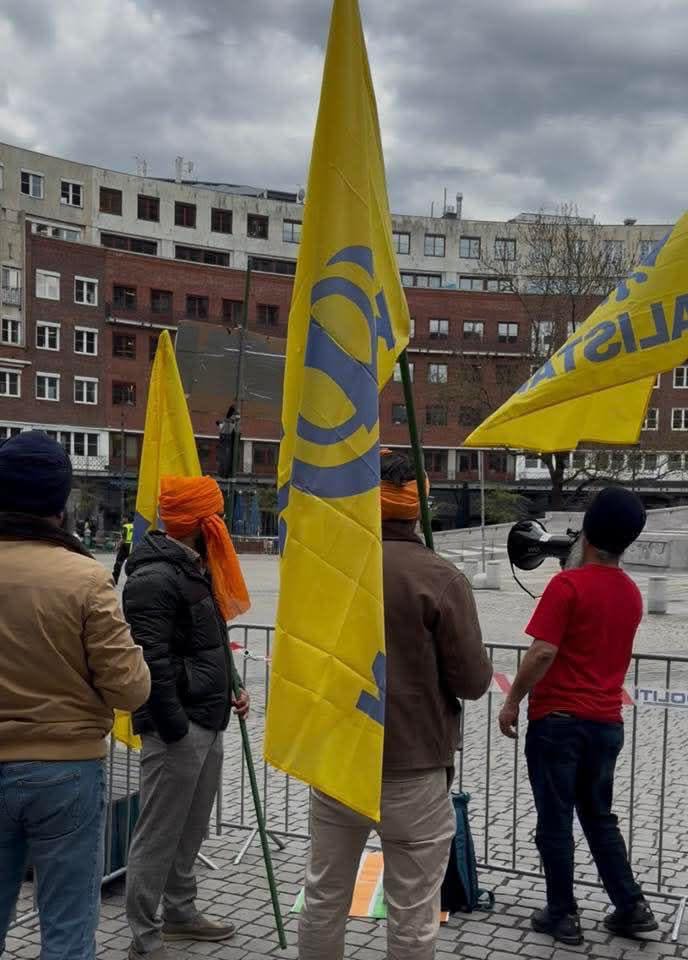
The issue of Khalistan also followed Modi during his European tour. Sikh activists in the Netherlands and Norway were seen waving Khalistan flags and carrying placards mentioning the Modi government over the targeted killings of Sikh leaders.
Khalistan referendum activists
Images and video material also showed that Khalistan referendum activists confronted Modi’s security near Hotel Gothia Towers in Gothenburg, Sweden, on May 17.
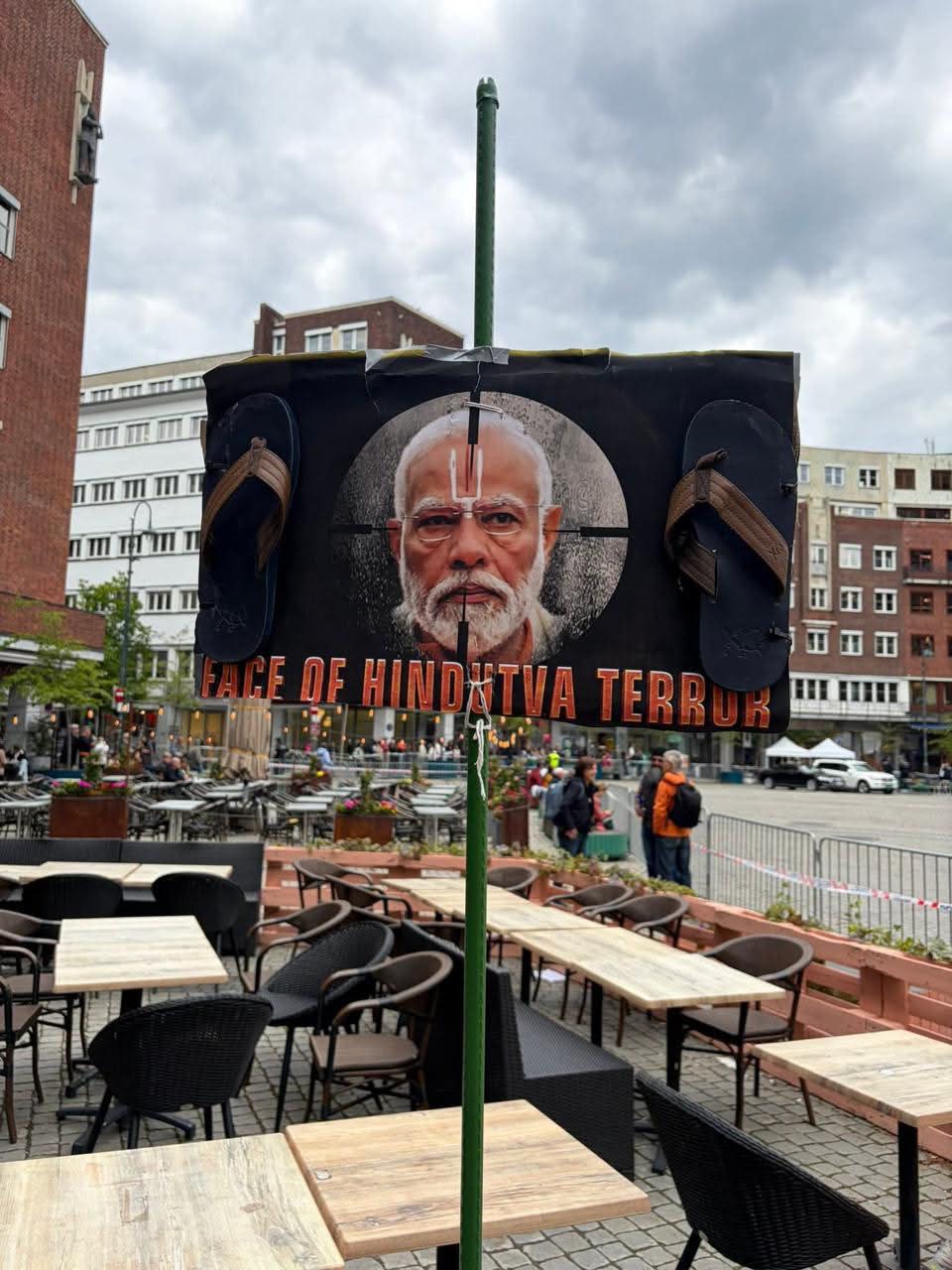
The protests have added to India’s diplomatic discomfort at a time when New Delhi is attempting to promote itself as a reliable international partner.
Political observers say the repeated demonstrations indicate that India’s internal rights record is increasingly becoming part of its foreign-policy challenge.
For India, the growing visibility of Kashmir, Khalistan and minority-rights issues in European capitals threatens to weaken the “Shining India” narrative promoted by the Modi government.
The protests also suggest that Modi’s foreign visits are no longer judged only through trade, investment and strategic partnerships, but increasingly through the lens of human rights, religious freedom and democratic values.