


Key Points
- 655 migrants dead or missing in Jan–Feb 2026
- Death toll more than doubled compared to 2025
- Extreme weather and Cyclone Harry worsened risks
- Stricter borders pushing migrants to dangerous routes
- Rescue operations facing increasing restrictions
PARIS: The Mediterranean has witnessed a sharp rise in migrant fatalities during the first two months of 2026, marking the deadliest start to a year on record, according to new data released by the International Organization for Migration (IOM).
At least 655 migrants were reported dead or missing between January and February, more than double the 287 recorded during the same period in 2025.
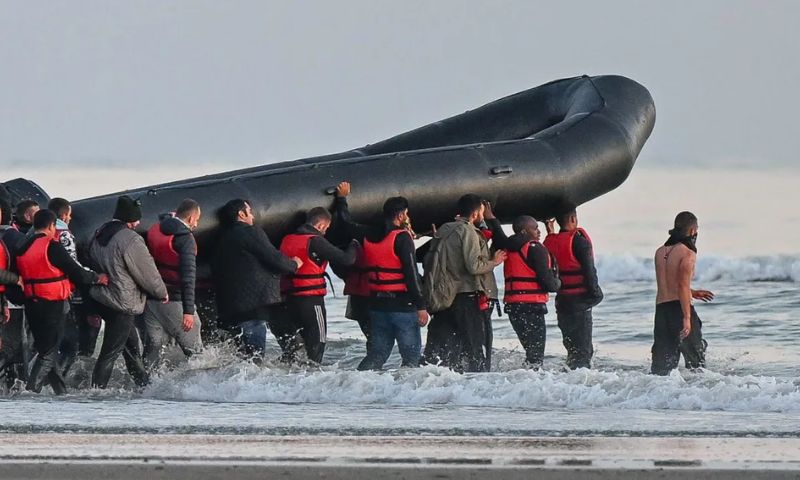
The surge comes even as the number of attempted crossings into Europe has declined, highlighting growing risks for those undertaking the journey, according to AFP.
Experts and humanitarian organizations attribute the increase in deaths to a combination of factors, including severe weather conditions, restricted migration routes, and challenges faced by rescue operations at sea.
The European Union’s border agency, Frontex, pointed to extreme weather events — notably Cyclone Harry in mid-February — as a major contributor to the higher death toll.
Frontex also cited the role of human smuggling networks, accusing traffickers of sending migrants on increasingly unsafe and overcrowded vessels. However, migration researchers argue that stricter border enforcement may be inadvertently worsening conditions.
Arnaud Banos, a migration specialist with France’s CNRS, noted that intensified efforts to curb departures are pushing smuggling operations into more remote and dangerous areas. These longer routes expose migrants to harsher sea conditions and reduce the likelihood of timely rescue due to limited surveillance.
Policy measures such as agreements between Italy and North African countries, including Tunisia and Libya, have further altered migration patterns. These deals, aimed at preventing departures, have led smugglers to adapt by using less monitored and riskier pathways.
Humanitarian groups have also raised concerns about obstacles affecting rescue missions. Organizations like Sea-Watch have criticized new regulations that assign distant ports for disembarkation, forcing rescue vessels to travel long distances and limiting their ability to respond to other emergencies at sea.
Additionally, aid groups report incidents of violence against migrants, including allegations of Libyan militias targeting boats in distress. They warn that shrinking legal migration pathways are leaving desperate individuals with little choice but to risk dangerous sea crossings.
Analysts emphasize that official figures likely underestimate the true scale of the crisis, as many departures and deaths go unrecorded. With land routes into Europe largely restricted, the Mediterranean remains one of the few — and most perilous — options for migrants seeking safety and better opportunities.