ISLAMABAD: Arctic seals are facing a growing risk of extinction as the polar region continues to warm nearly four times faster than the global average, accelerating sea-ice loss and exposing wildlife to mounting human activity.
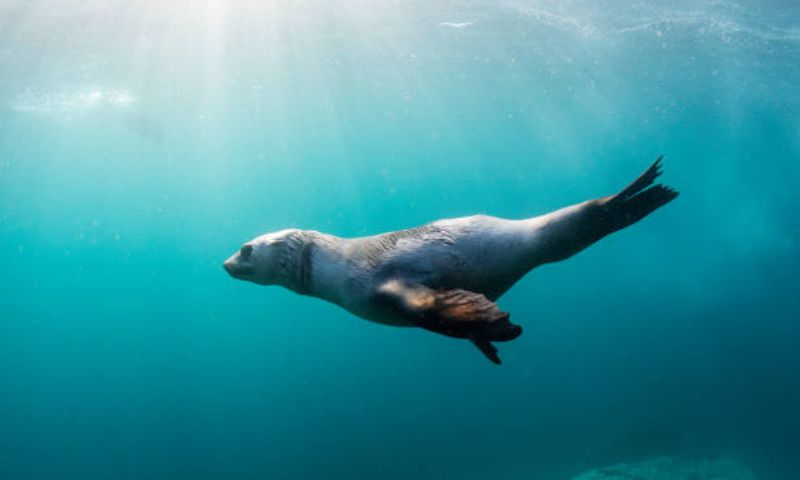
The latest update of the International Union for Conservation of Nature (IUCN) Red List, reported by Turkish news agency Anadolu, shows that three of the Arctic’s six true seal species have moved closer to extinction. The hooded seal has been reclassified from vulnerable to endangered, while the bearded seal and harp seal have shifted from least concern to near threatened.
The IUCN assessed 172,620 species worldwide, finding that 48,646 face some level of extinction risk. For Arctic seals, the primary driver is the rapid decline of sea ice caused by global warming, which is eroding essential habitat used for resting, breeding and raising pups.
The scale of warming is unprecedented. According to the 2025 Arctic Report Card released in December by the National Oceanic and Atmospheric Administration, surface air temperatures across the Arctic from October 2024 to September 2025 were the highest recorded since observations began in 1900. Autumn 2024 was the warmest season on record, while the 2024–2025 winter ranked as the second warmest.
Beyond temperature rise, melting ice is opening the Arctic to increased commercial activity. Shipping traffic, mining and hunting operations have expanded, adding further stress to already vulnerable seal populations.
One hotspot is the Northern Sea Route, where activity linked to China has grown rapidly. In 2025, containerised cargo volumes reached about 400,000 tonnes—more than two and a half times the previous year—with a record 15 container ship transits connecting mainly Russian and Chinese ports. Russia has also projected a 50 percent rise in foreign vessel voyages on the route, according to its state nuclear energy corporation Rosatom, as Asian partners seek alternatives to congested routes such as the Suez Canal.
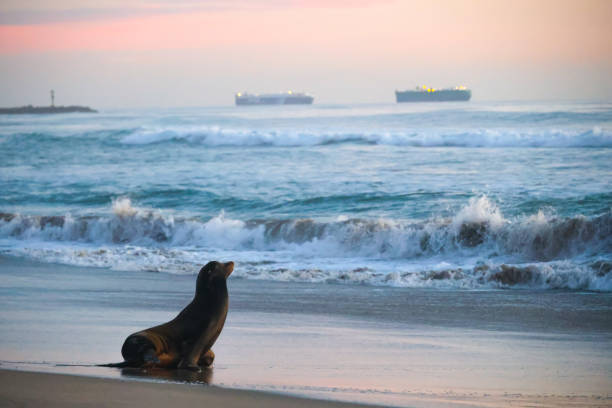
Conservationists warn that heavier maritime traffic raises the risk of ship strikes, underwater noise pollution and habitat disturbance for seals.
Henry Huntington, Arctic Sciences Director at the Washington-based Ocean Conservancy, said seals are central to the Arctic ecosystem. They prey on fish and other marine life while serving as a vital food source for polar bears, killer whales and Indigenous communities.
“Seals depend on sea ice for feeding, shelter and reproduction,” Huntington told Anadolu. “Without ice, they lose critical areas for resting and birthing, making them far more vulnerable.”
He noted that while some species may adapt to a degree, there is insufficient land in the Arctic to replace the ecological role of sea ice. Its loss also makes the region more accessible to species from lower latitudes, increasing competition for food and habitat.
The impacts extend beyond seals. Polar bears, which rely heavily on seals for food and use ice for movement, face heightened risk, while Arctic foxes—often dependent on leftovers from polar bear kills—could also suffer cascading effects. Reindeer populations across parts of the Arctic are already in decline, with recent drops described by researchers as unusually sharp.
Huntington said some pressures can still be reduced. Protecting key habitats from intensive human activity could give seals and other species a better chance to adapt as ice loss continues.
The Arctic spans about 14.5 million square kilometres across eight countries, including Canada, the United States (Alaska), Russia and the Nordic states. Since satellite monitoring began in 1979, summer sea-ice extent has shrunk by around 12–13 percent per decade—nearly halving coverage compared with the 1980s and threatening the survival of ice-dependent species.