


Key Points
- Lahore’s Air Quality Index (AQI) reached a hazardous 483 on Friday, making it the most polluted city in the world, surpassing safe limits set by the World Health Organization.
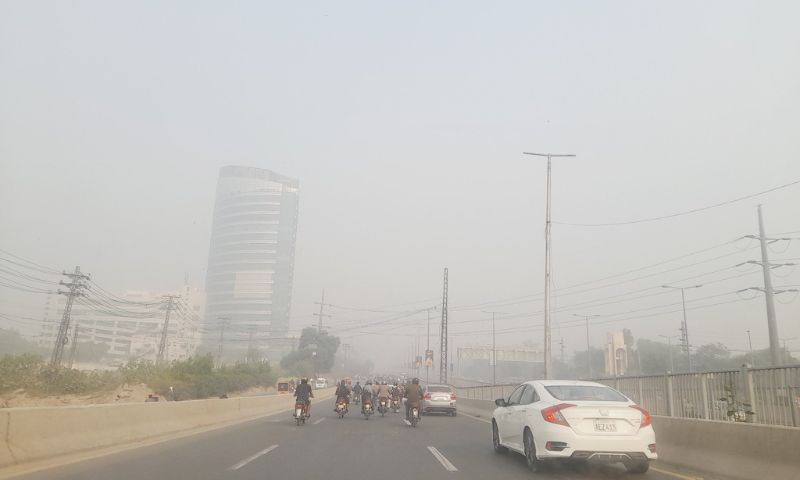
- Heavy smog and low visibility caused AQI readings above 750 in several areas, prompting health advisories to limit outdoor activities and wear masks.
- Experts warn of life-threatening health risks, particularly for vulnerable groups like the elderly and children, due to high levels of particulate matter (PM2.5).
- Urgent action is needed to address Lahore’s environmental crisis, with calls for stricter measures to control vehicular emissions, industrial pollution, and crop residue burning.
ISLAMABAD: Lahore, historically known as the “City of Gardens,” is battling an acute air pollution crisis, with the city’s Air Quality Index (AQI) reaching a hazardous level of 483 on Friday, making it the most polluted city in the world, according to reports from the Environmental Protection Agency (EPA).
The alarming AQI is significantly higher than the World Health Organization’s safe limits, placing Lahore at the top of the global pollution rankings.
Heavy Smog and Low Visibility Across the City
On Friday, visibility across Lahore was severely reduced due to the thick smog that blanketed the city. The smog was so dense that readings in various areas exceeded 750, far surpassing safe levels. Notable locations with the highest pollution readings included the CERP office at 764, Iqbal Town at 692, Power Zone Head Office at 626, Model Town at 607, Shadman at 597, and the Civil Secretariat at 596.
Authorities have issued urgent advisories, recommending that residents minimize outdoor activities and wear protective masks to shield themselves from harmful particulate matter (PM2.5). The dangerous pollution levels have triggered an increase in respiratory problems and skin diseases, particularly among vulnerable groups.
Health Experts Warn of Life-Threatening Risks
Dr. Nadeem Afzal, a renowned immunologist, warned that Lahore’s pollution has reached “critically dangerous” levels, causing severe health risks to residents. According to Dr. Afzal, individuals such as the elderly, children, and those with pre-existing health conditions are particularly at risk. “Exposure to such high pollution levels can be life-threatening for those with respiratory illnesses or weakened immune systems,” he said.
Dr. Afzal strongly advised that residents, particularly vulnerable populations, take extra precautions when going outdoors. “Wearing a high-quality mask and increasing water intake can help mitigate the harmful effects of the pollution,” he added. He also recommended that elderly and immunocompromised individuals get vaccinated against pneumonia to reduce the risk of respiratory infections.
Prolonged Exposure Linked to Severe Health Conditions
Environmental and medical experts have emphasized the extreme danger posed by prolonged exposure to such high pollution levels. They noted that extended contact with hazardous air quality could lead to serious long-term health issues, including chronic respiratory disorders, cardiovascular diseases, and an increased risk of cancer. In the most severe cases, it could result in premature death.
Health authorities have also warned that pollution levels tend to peak during early mornings and evenings, making outdoor activities particularly dangerous during these hours. Protective masks and air purifiers are being strongly recommended, especially in areas where air quality readings are exceptionally high.
Urgent Action Needed to Address Lahore’s Environmental Crisis
The city’s critical air quality is raising alarms among residents and public health officials, urging immediate action to combat the escalating environmental disaster. While the government has implemented various measures to control pollution, including cracking down on industrial emissions and the use of anti-smog guns, experts argue that more aggressive steps are needed to tackle the root causes of the pollution crisis.
As Lahore continues to grapple with this ongoing smog crisis, experts stress the importance of improving the city’s public transport system, reducing vehicular emissions, and addressing crop residue burning, which remains a major contributor to the city’s pollution levels.