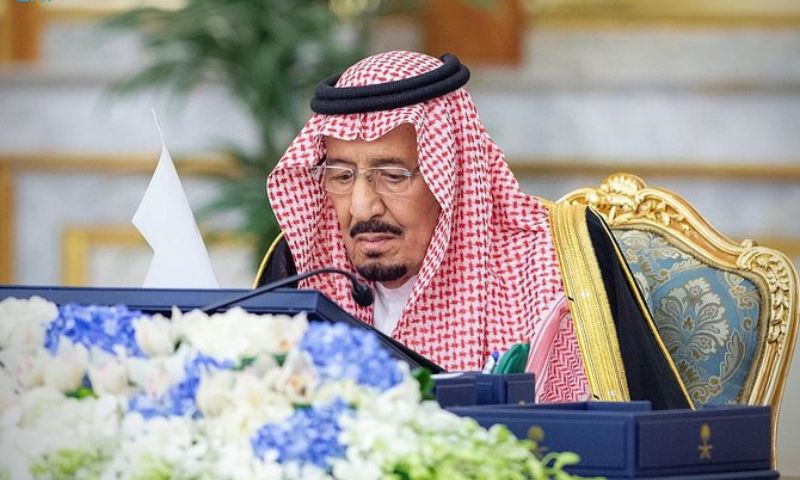



JEDDAH: King Salman bin Abdulaziz Al Saud, the Custodian of the Two Holy Mosques, presided over a Cabinet session held on Tuesday at Al-Salam Palace in Jeddah. During the meeting, the Cabinet discussed various matters, including messages received from the President of Comoros and the Kingdom’s efforts to strengthen relations with other countries.
According to Minister of Media Salman bin Yousef Al-Dosari, the Cabinet commended the positive outcomes of the fifth session of the Saudi-Iraqi Coordination Council, which took place in Jeddah. The meeting resulted in the signing of several memorandums of understanding, reflecting the commitment of both countries to enhance cooperation for mutual benefits, regional security, stability, and development.
The Cabinet also highlighted the Kingdom’s participation in the 76th session of the World Health Assembly in Geneva, where it emphasized its endeavors to mitigate global health threats, contribute to pandemic preparedness and response, and implement programs promoting sustainable human health.
Furthermore, the Cabinet praised the Kingdom’s proactive approach to addressing climate change and supporting green and sustainable solutions. Notably, it mentioned the construction of the world’s largest green hydrogen production plant in NEOM, aimed at meeting the rising global energy demand and showcasing the Kingdom’s role in developing alternative energy sources.
Saudi Cabinet Reaffirms Commitment to Diversify and Enhance Economy
The Cabinet reaffirmed the government’s commitment to diversify and enhance the Kingdom’s economy and improve the investment environment. It commended the recent outcomes of the Saudi Special Economic Zones Investment Forum held in Riyadh, where various agreements were signed and licenses were granted to businesses, reflecting the growth and competitiveness of the Saudi economy and the appealing opportunities for direct investment.
Moreover, the Cabinet discussed regional and international developments, focusing on the situation in Sudan following the Jeddah talks, which resulted in a short-term ceasefire and humanitarian arrangements. The Kingdom’s efforts to support political solutions and bridge gaps between conflicting parties were highlighted.
The Cabinet made several decisions, including authorizing ministers and officials to hold talks and discuss draft agreements with various countries in the energy, media, research, development, innovation, and transportation sectors. Additionally, it approved policies and frameworks related to early childhood development, financial assessment, academic calendars, and appointments.
The session concluded with the Cabinet reviewing and taking necessary actions on other agenda items.