
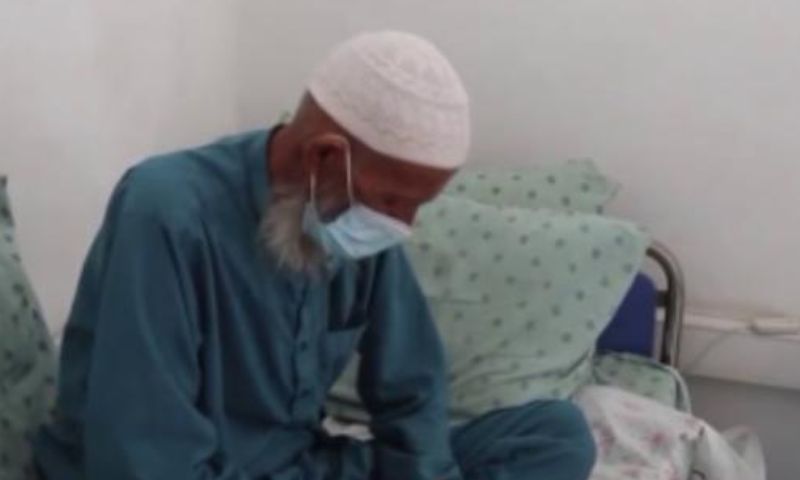



KABUL: Over the past six months, Kandahar province has faced a concerning rise in tuberculosis cases, affecting more than a thousand people, including children, women, and the elderly.
This alarming situation has drawn the attention of health officials and highlighted the urgent need for improved treatment and healthcare facilities in the region.
Jamaluddin Azimi, the head of the tuberculosis section in Kandahar’s Public Health Department, disclosed that approximately 1,160 tuberculosis patients have been observed in the past six months. Although this number indicates a 6.5 percent decrease from the previous year, the overall prevalence of the disease among women remains higher, according to Afghan media.
Health authorities attribute the surge in tuberculosis cases to the lack of access to adequate treatment facilities and resources. Insufficient medical infrastructure and limited healthcare services in the region have hindered early diagnosis and proper management of the disease.
One such patient, Khan Mohammad, a 70-year-old resident of Shahjoy district in Zabul province, shared his struggles with the disease. Despite being in treatment for several months, he faced challenges in finding effective medical support until he sought assistance from the Doctors Without Borders centre. Here, he received the necessary care and treatment that ultimately led to his recovery.
Conversely, Abdul Ahad, a resident of Helmand, also had a positive experience at the Doctors Without Borders Hospital in Kandahar. The doctors at the centre provided comprehensive care, leading to his improved health.
Presently, the Doctors Without Borders Hospital is treating 75 individuals afflicted with tuberculosis, with a significant majority being women and children. Mujeeb Rahman, the deputy of the Doctors Without Borders centre in Kandahar, reported that within the past six months, 415 new cases of tuberculosis have been diagnosed and registered at the Mirwais Hospital and Sarpouzeh Prison in Kandahar.
The main symptoms of tuberculosis include cough, fever, and weight loss, making early detection crucial for effective treatment and containment of the disease. Unfortunately, tuberculosis remains a deadly disease in Afghanistan, with numerous fatalities reported annually, according to the World Health Organization.