


Key Points
- Japan is quietly urging fishermen to stay away from waters around the Senkaku Islands
- The advisory marks a shift from the previous practice of tacitly tolerating fishing in the area
- Islands remain a long-standing flashpoint in Japan-China relations
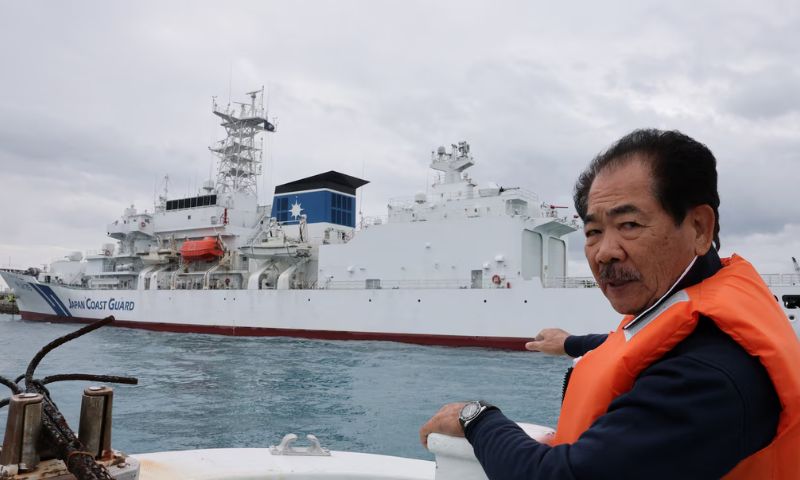
ISLAMABAD: Japanese authorities have begun discreetly asking local fishermen to avoid sailing near the disputed Senkaku Islands in the East China Sea, citing concerns that increased presence of Chinese vessels could lead to an accidental clash, reports Reuters.
The Senkaku Islands, administered by Japan but also claimed by China (which refers to them as the Diaoyu Islands), have long been a source of tension between the two countries. Chinese coast guard activity in the area has been frequent, raising the risk of encounters at sea that could rapidly escalate into a broader diplomatic issue.
In recent months, some Japanese officials made direct requests to veteran fishermen to steer clear of the flashpoint waters as a precaution against confrontation with Beijing.
The move represents a notable shift from previous practice, when Japanese authorities tacitly accepted or even encouraged fishing near the islets as a way to reinforce Japan’s administrative control. Under the changing approach, officials have urged restraint to avoid incidents that could spiral into an international dispute, especially given heightened sensitivities following political tensions involving comments by Japanese leaders and reactions from Beijing.
While nationalists and some fishing communities view operations near the islands as an expression of sovereignty and a source of livelihood, Tokyo’s caution reflects broader concerns in the government and security circles over maintaining stability in the East China Sea.
China’s foreign ministry has previously criticised such fishing activities, accusing Japanese groups of using them to provoke tensions, and urged that maritime issues be resolved through dialogue, according to The Business Standard.
The advisory to fishermen underscores how even seemingly routine economic activities are being shaped by strategic rivalry in the region, as Tokyo seeks to balance assertion of territorial claims with efforts to avoid unintended escalation, according to Reuters.