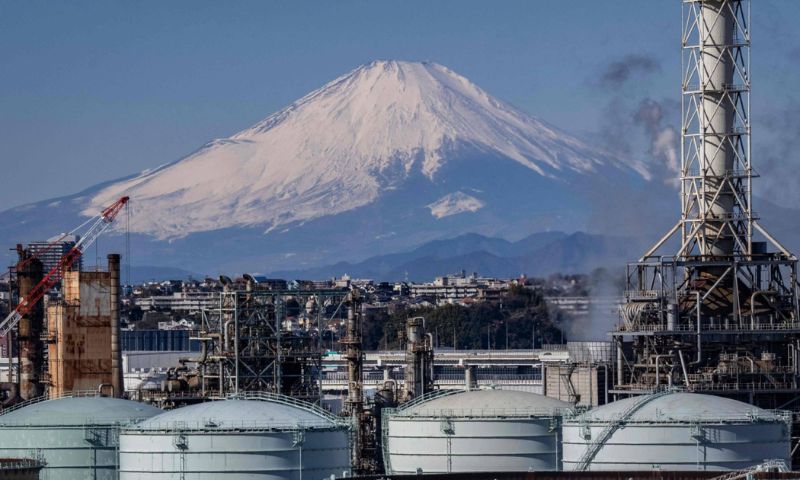



TOKYO: Japan has initiated the release of additional volumes from its strategic oil reserves as the country grapples with rising energy costs triggered by escalating tensions in the Middle East.
Officials confirmed that the latest phase of the release began Thursday morning, with crude supplies being distributed directly to domestic refiners.
The move is part of a broader effort by Tokyo to cushion the impact of surging oil prices on its heavily import-dependent economy.
The decision comes as Iran effectively restricts traffic through the Strait of Hormuz, a critical maritime chokepoint responsible for transporting roughly 20 percent of the world’s oil and gas.
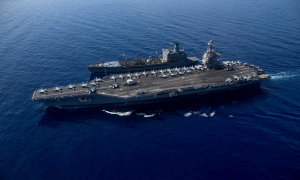
The disruption follows military strikes on Iran by the United States and Israel that began in late February, intensifying regional instability.
According to AFP, Japan, the world’s fifth-largest oil importer, sources more than 90 percent of its crude from the Middle East, leaving it particularly vulnerable to supply shocks.
In response, the government earlier this week announced plans to release oil equivalent to one month of national stockpiles.
This includes both public reserves and privately held petroleum supplies, with part of the private-sector stock already being drawn down.
Government officials indicated that oil transfers from reserve facilities to major refining companies are now underway, marking a coordinated effort between public and private sectors to ensure steady domestic supply.
The crisis has also affected maritime operations. As of midweek, dozens of vessels linked to Japan remained stranded in the Persian Gulf, including ships carrying Japanese crew members.
Industry representatives have urged authorities to take diplomatic and logistical measures to restore safe passage through the Strait of Hormuz. Iran, meanwhile, has signalled a conditional stance on maritime transit.
Its foreign minister stated that access to the waterway would depend on whether vessels are deemed non-hostile, adding a layer of uncertainty for global shipping and energy markets.
International agencies are closely monitoring the situation. The International Energy Agency (IEA) has indicated its readiness to coordinate further releases of emergency oil stocks if the crisis persists.
During a visit to Tokyo, IEA chief Fatih Birol discussed contingency plans with Japanese Prime Minister Sanae Takaichi, who has called for additional measures should disruptions continue.
Japan’s latest move underscores growing concerns among major economies about prolonged instability in the Middle East and its ripple effects on global energy security.