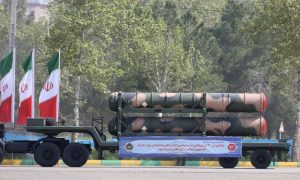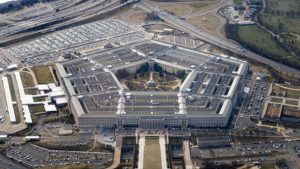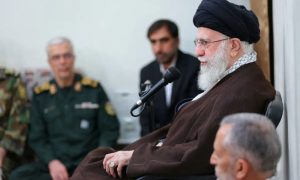
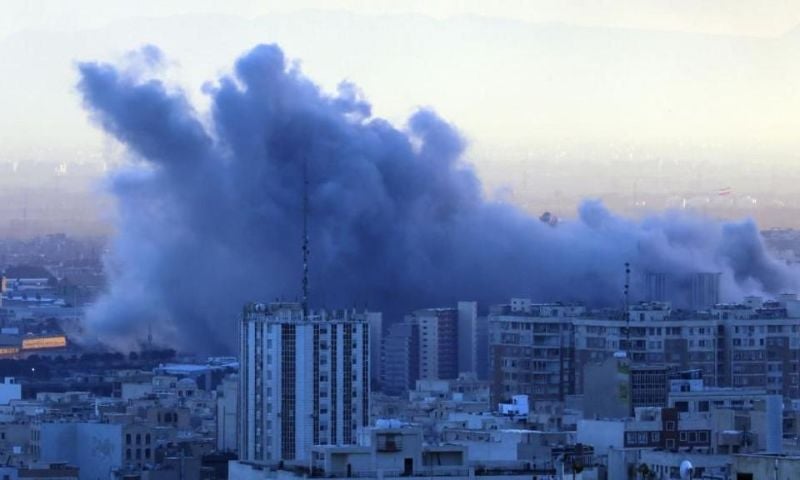



JERUSALEM/DUBAI/TEHRAN: U.S. forces pressed a round-the-clock assault on Iran and Israel joined in with a fresh ‘broad wave’ of strikes early Wednesday, targeting Iranian missile launch sites, air-defense systems and other strategic infrastructure as part of a joint campaign that a senior U.S. commander said is running ahead of the original ‘game plan.’
According to media reports, the Israeli military said it launched a “broad wave” of overnight attacks after Iran fired multiple missile barrages toward Israeli territory. In Tel Aviv, officials reported minor injuries following the latest strikes.
The escalation comes as the United States military confirmed it has struck nearly 2,000 targets inside Iran since the start of joint operations.
The head of United States Central Command (CENTCOM), Gen. Brad Cooper, said 17 Iranian naval vessels — including a submarine — had been destroyed. He added that Iranian air defenses had been significantly weakened and hundreds of ballistic missiles and drones eliminated.
According to CENTCOM, more than 50,000 US personnel, two aircraft carriers, 200 fighter aircraft and long-range bombers are now involved in what officials describe as the largest American military buildup in the Middle East in decades.
Iran expands retaliation
Tehran has responded with a broad campaign of missile and drone attacks across the region. Iranian projectiles and unmanned aircraft struck near US diplomatic missions and military installations in several Gulf states.
An Iranian drone ignited a small fire near the US consulate in Dubai, while other attacks targeted the Al-Udeid Air Base in Qatar and sites in Bahrain. Embassies in Riyadh, Kuwait City and elsewhere temporarily closed to the public amid heightened security threats.
The Iranian Red Crescent said 787 people have been killed in Iran since the beginning of the strikes, though the toll has not been independently verified.
In Kuwait, authorities reported that falling debris from intercepted aerial threats killed an 11-year-old girl and wounded several members of her family. Regional officials say at least nine people have died across Gulf countries since the hostilities intensified.
Iran’s Revolutionary Guard warned it would target economic infrastructure across the region if attacks on its territory continue.
Maritime tensions rise
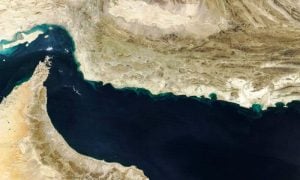
The conflict has also spilled into critical shipping lanes. A commercial vessel was struck by a projectile in the Gulf of Oman near Fujairah, according to the United Kingdom Maritime Trade Operations center. No casualties were reported, but the incident damaged the ship’s hull.
With energy markets rattled, President Donald Trump said the US Navy stands ready to escort oil tankers through the Strait of Hormuz — a vital chokepoint that Iran has previously threatened to close.
Global oil prices have climbed sharply amid fears that prolonged fighting could disrupt supplies from the Gulf.
Civilian fear and evacuations
Inside Tehran, much of the capital appeared deserted as residents sheltered indoors or left the city. Security forces and armored vehicles were deployed at key intersections, and authorities urged civilians to evacuate vulnerable areas. Iranian officials claimed that an earlier strike on a school in Minab killed more than 150 people.
The US State Department has ordered the departure of non-essential personnel and family members from several Middle Eastern countries, including Kuwait, Bahrain, Iraq, Qatar and the United Arab Emirates. Washington confirmed six American service members have been killed since hostilities began.
Meanwhile, in Iraq, security sources said a drone was shot down near Baghdad International Airport for the second consecutive day, underscoring the widening geographical footprint of the confrontation.
As both sides vow further action, fears are mounting that the conflict could spiral into a broader regional war with global economic consequences.