


ISLAMABAD: Islamabad, long promoted as Pakistan’s “green and beautiful” capital, is confronting a mounting environmental and public health challenge as invasive Paper Mulberry trees and unchecked urban encroachments strain the city’s fragile ecosystem.
Government officials say the non-native species, introduced decades ago, have become the dominant source of seasonal pollen, worsening respiratory illnesses and undermining the ecological balance envisioned in the capital’s original master plan.
Briefing the Senate Standing Committee, Minister of State for National Health Services Dr Mukhtar Ahmad Malik said Paper Mulberry now accounts for an estimated 94 per cent of Islamabad’s pollen load. Its fine particles, he warned, penetrate deep into the lungs, triggering severe allergic reactions, asthma attacks and, in extreme cases, life-threatening conditions.
Pollen levels peaked at 82,000 grains per cubic metre in 2022, the highest recorded in decades, intensifying pressure on hospitals and emergency services during allergy season.
Authorities say a multi-year eradication and restoration programme is beginning to show results. Data from the National Institute of Health’s Allergy Centre indicates a sharp decline in reported allergy cases, with late-year cases falling by more than half between 2023 and 2025.
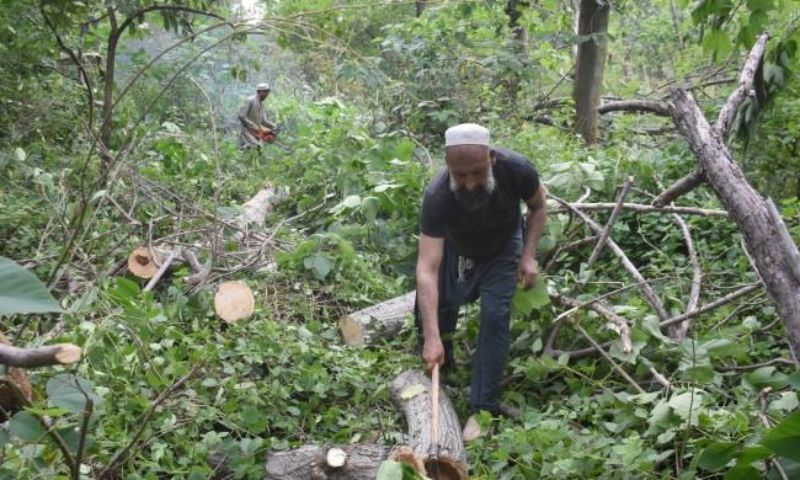
Under the initiative, the Capital Development Authority is removing invasive trees through a three-step process — cutting, uprooting and soil compaction — while prioritising high-density areas such as F-9 Park and Shakarparian. Of roughly 80,000 Paper Mulberry trees identified, more than 29,000 have already been cleared.
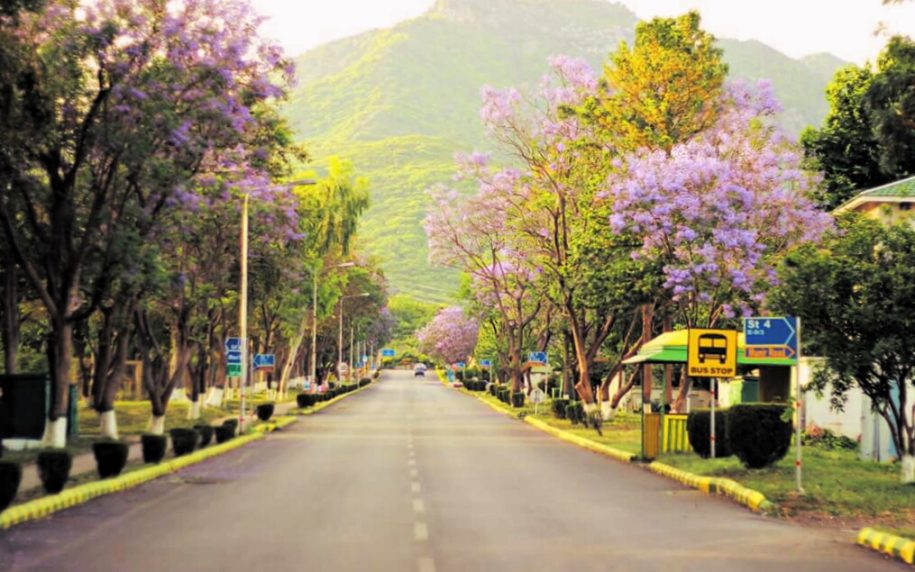
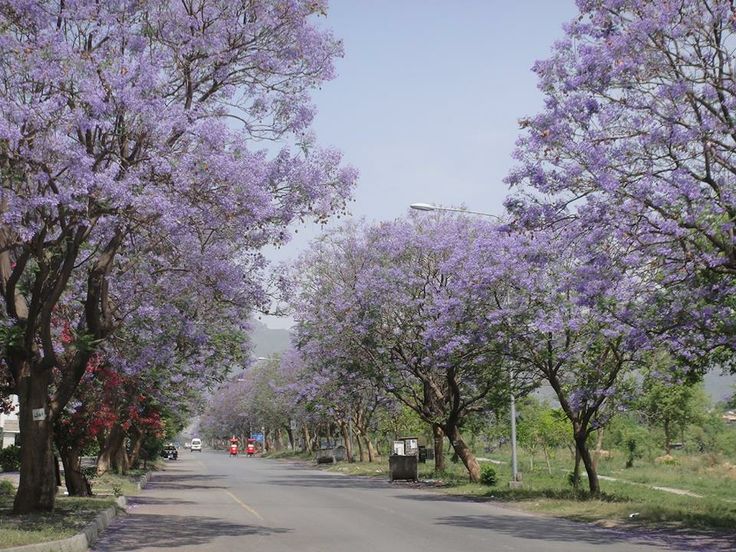
Restoration is a central pillar of the effort. For every plant removed, three indigenous species are being planted, including kachnar, amaltas and desi toot, with a target of 90,000 native trees by April 2026. Officials say the approach aims not only to minimise pollen levels but also to revive local biodiversity and climate resilience.
The programme is backed by public-private partnerships involving state-owned and international firms, which officials say reflects global best practices in urban environmental health management.
Authorities argue the project marks a return to Islamabad’s founding vision as a city integrated with nature — one where green belts, parks and natural waterways coexist with urban growth — and could serve as a model for tackling environmental health challenges in rapidly expanding cities across the region.