


BAGHDAD: Iraq has resumed limited oil exports of around 250,000 barrels per day through Türkiye’s port of Ceyhan, authorities said, as disruptions in the Strait of Hormuz continue to impact the country’s energy sector.
A founding member of OPEC, Iraq relies heavily on crude oil, which accounts for nearly 90 percent of its national revenue. Prior to the outbreak of conflict on February 28, the country exported approximately 3.5 million barrels per day, mainly from its southern Basra fields via the Strait of Hormuz.
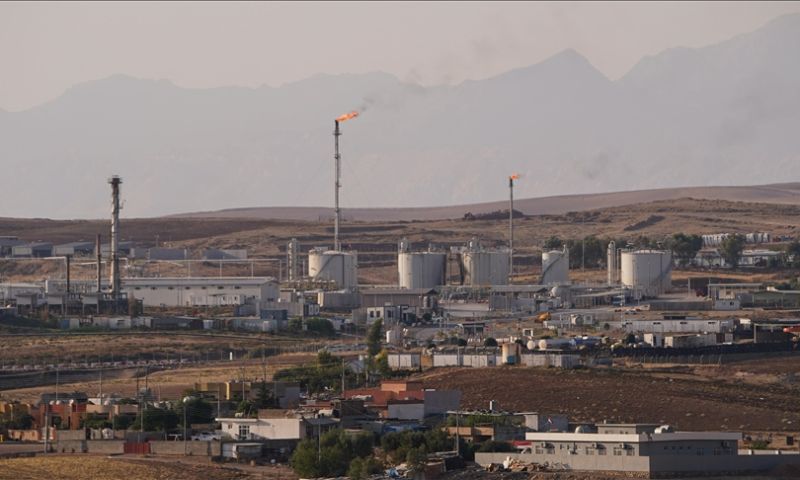
The state-run North Oil Company confirmed that operations at the Sarlo pumping station have restarted, enabling the flow of crude from Kirkuk fields to the Ceyhan port with an initial capacity of 250,000 bpd.
Exports from northern Iraq had been halted during a period of disruption that posed significant challenges to the oil sector.
Alternative export routes
Baghdad has been working to secure alternative export routes and had been engaged in prolonged negotiations with Kurdish authorities, who sought certain guarantees before allowing oil to transit through their territory.
The Kurdistan Ministry of Natural Resources confirmed that the Sarlo facility became operational early Wednesday, facilitating exports via the regional pipeline network.
Meanwhile, Iran’s closure of the Strait of Hormuz — a key route for nearly a fifth of global oil and LNG shipments — has intensified pressure on exporters. Iraq’s Oil Minister Hayan Abdel Ghani said discussions with Tehran are ongoing to allow limited tanker access through the strategic waterway.