


Key Points
- Strikes reportedly hit Isfahan and Khorramshahr regions
- Damage described as partial with no supply disruption
- Only one Iranian outlet reported the incidents
- Local officials say gas operations remain stable
- Tehran rejects claims of ongoing negotiations
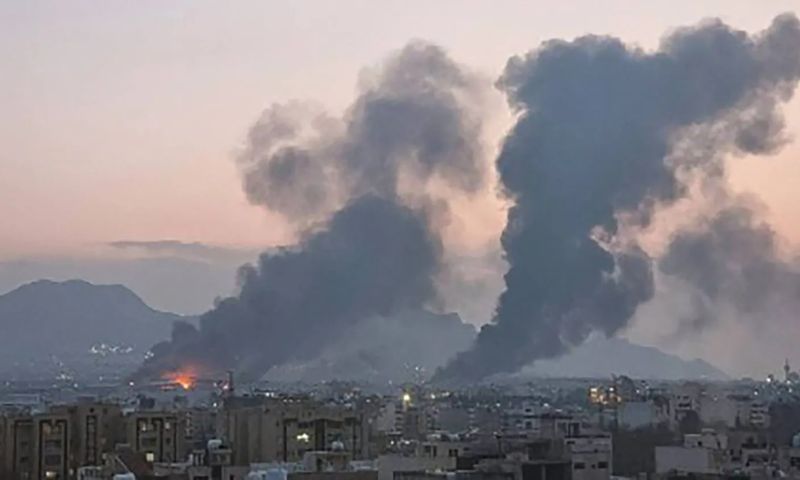
TEHRAN: Iranian media on Tuesday reported that several gas-related facilities were targeted in what it described as joint Israeli and US strikes, raising fresh concerns about the vulnerability of the country’s energy infrastructure despite recent indications of de-escalation from Washington.
According to Iran’s semi-official Fars news agency, the attacks struck a gas administration building and a gas pressure regulation station located on Kaveh Street in the central city of Isfahan.
The report stated that the facilities sustained partial damage, though it did not cite an official source or provide further verification. Notably, no other Iranian media outlets immediately confirmed the incident.
In a separate development, Fars also reported that a projectile struck an area near the gas pipeline linked to the Khorramshahr power plant in southwestern Iran, close to the Iraqi border.
Local authorities downplayed the impact, with the city’s governor stating that the strike landed outside the main processing station and did not disrupt operations. Gas supply, he added, continues as normal.
According to AFP, the reported attacks come at a sensitive moment, following remarks by US President Donald Trump suggesting a potential easing of tensions.
Speaking a day earlier, Trump indicated that “things are going very well” with Iran and announced a five-day pause on targeting Iranian power infrastructure.
The statement marked a notable shift from his earlier warning of possible strikes on energy facilities if Tehran failed to reopen the strategically vital Strait of Hormuz.
Despite Washington’s signals, Iranian officials and state media have maintained that no negotiations are currently underway to end the conflict.
This divergence highlights ongoing uncertainty over the trajectory of the situation, as military actions and diplomatic messaging appear to move in different directions.
While the full extent and responsibility for the reported strikes remain unclear, the incidents underscore the continued risk to critical energy assets in Iran, even amid tentative signs of restraint from key actors.