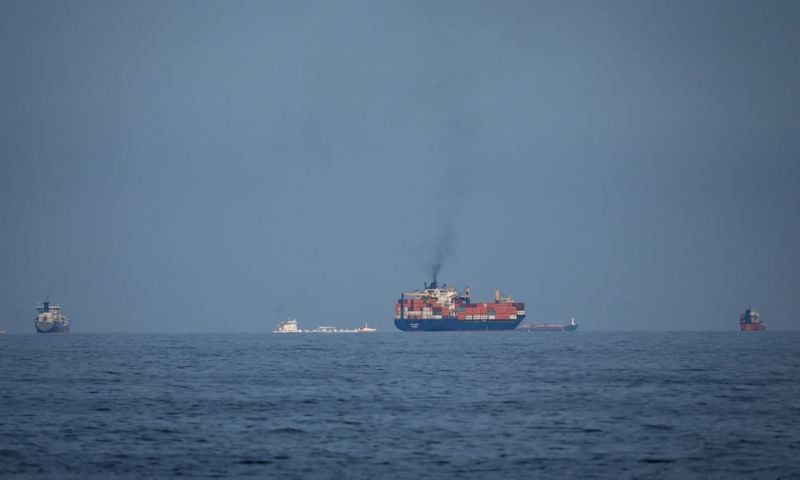



TEHRAN: Iran is weighing a proposal to impose transit fees on vessels passing through the Strait of Hormuz, according to a lawmaker cited by Iranian media on Thursday.
The Strait is one of the world’s most critical energy chokepoints, through which roughly 20% of global oil and a significant share of liquefied natural gas supplies are transported.
The development comes amid heightened regional tensions following the recent escalation in conflict involving the United States, Israel, and Iran.
Since the outbreak of war, Iran has reportedly disrupted maritime traffic in the strait, particularly targeting vessels it claims are linked to its adversaries or their allies.
These actions have raised concerns in global markets about energy security and the stability of international shipping routes.
According to the Iranian Students’ News Agency, the proposed legislation under consideration in Iran’s parliament would require countries using the strait for trade—including oil, gas, and food shipments—to pay tolls or taxes.
If implemented, such a policy could significantly alter the economics of global shipping and provoke strong reactions from major energy-importing nations.
Adding to the assertive tone, Mohammad Mokhber, an advisor to Iran’s Supreme Leader, suggested that a “new regime” governing the Strait of Hormuz could emerge after the conflict subsides.
He indicated that Iran may introduce stricter maritime controls, particularly targeting countries that have imposed sanctions on Tehran.
Experts say any move to impose transit fees or restrict passage could escalate tensions further and disrupt global energy markets.
Gulf Cooperation Council (GCC) members have consistently emphasised that the Strait of Hormuz is an international waterway that must remain open and secure under international law.