


Key Points
- Tehran signals that tankers linked to the US and Israel may become targets
- Energy markets fear a major supply shock if Gulf shipping is disrupted completely
ISLAMABAD: Iran warned that global oil prices could surge to as high as $200 a barrel as the conflict with the United States and Israel widens, raising fears of a more shock to already trembling international energy markets.
Officials in Tehran said the security of oil shipments through the Gulf can no longer be guaranteed if attacks on Iranian territory and infrastructure continue.
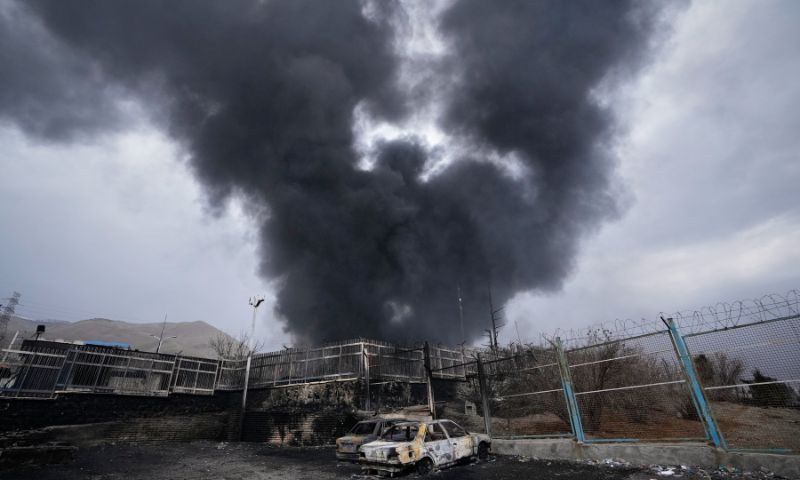
The warning came amid rising tensions following strikes that Iranian authorities say targeted financial and strategic facilities inside the country.
A spokesperson for Iran’s Khatam al-Anbiya central military command said countries backing the attacks should prepare for a sharp escalation in economic consequences.
“Get ready for the oil barrel to be at $200,” the spokesperson said, adding that energy prices are directly tied to regional security conditions in the Middle East.
Iranian officials also warned that tankers transporting crude to the United States, Israel and their partners could face risks if hostilities intensify, heightening concern across global shipping and insurance markets.
Energy analysts say even a limited disruption in the Strait of Hormuz could trigger a sharp surge in oil prices.
The narrow waterway between Iran and Oman carries roughly one-fifth of the world’s traded crude oil and is widely regarded as the most critical energy chokepoint in the global economy.
Markets have already shown signs of volatility since the latest phase of the conflict erupted, with traders closely watching any developments that could threaten shipping lanes or regional production facilities.
In response to the growing market shock, the International Energy Agency has urged its member countries to release oil from strategic reserves in an effort to stabilise global supply.
The Paris-based agency said its 32 member states agreed in principle to make about 400 million barrels of emergency stocks available to the market.
It would be the largest coordinated release in its history.
The effort aims to offset disruptions caused by the Middle East conflict and the sharp reduction in shipments through the Strait of Hormuz.
Energy security officials say the move is designed to calm markets and prevent a deeper global economic shock if Gulf oil flows remain constrained.
The warning also reflects Iran’s broader strategy of expanding the confrontation beyond conventional military targets into economic and energy pressure points that affect global markets.
Several Gulf states and international energy companies are now reviewing contingency plans amid concerns that the conflict could disrupt tanker traffic, refinery operations and energy infrastructure across the region.
Diplomatic efforts to de-escalate the crisis have so far produced limited progress, leaving markets increasingly sensitive to statements from military and political leaders involved in the confrontation.