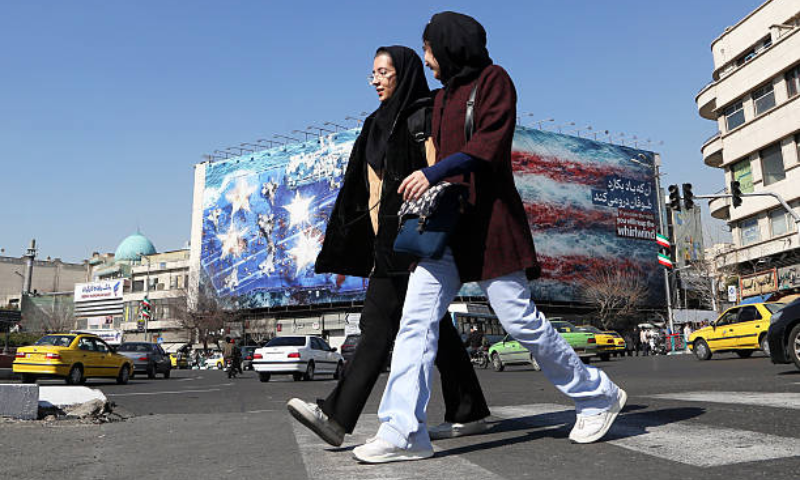



Geneva / Tehran / Washington: The United States and Iran are set to resume their nuclear negotiations on Thursday in Geneva, with both sides expressing cautious optimism about a possible diplomatic breakthrough — even as concerns grow over potential military action and regional escalation.
Iran’s officials, including Foreign Minister Abbas Araghchi, have said details of a draft agreement are being prepared ahead of the meeting and that there remains a “good chance” for a peaceful resolution. President Masoud Pezeshkian echoed that prior talks yielded “encouraging signals.”
Speaking to CBS News on Sunday, Iran’s Foreign Minister Abbas Araghchi confirmed that technical details of a potential agreement were being drafted ahead of the renewed negotiations over Tehran’s nuclear programme.
“I believe that when we meet, probably this Thursday in Geneva again, we can work on those elements and prepare a good text and come to a fast deal,” Araghchi said, expressing hope for tangible progress.
Oman’s Foreign Minister Badr Albusaidi, a key mediator, confirmed the Geneva meeting will proceed with a “positive push” to finalize a deal.
Military buildup amid diplomatic push
The diplomatic efforts come against the backdrop of heightened tensions. The United States has significantly bolstered its military footprint in the region, deploying two aircraft carriers along with additional fighter jets and naval assets. Washington has also reinforced its air defence systems as it continues to warn of possible military action.
Araghchi warned that Iran would respond if attacked.
“If the US attacks us, then we have every right to defend ourselves,” he said, adding that American interests in the region could become potential targets in the event of confrontation. However, he maintained that “there is a good chance of having a diplomatic solution.”
Following earlier discussions in Geneva, Tehran said it was preparing a draft proposal aimed at averting military escalation. According to Axios, citing a senior US official, Washington indicated it would be prepared to re-engage swiftly if Iran submitted its proposal within 48 hours to begin detailed negotiations.
Meanwhile, US President Donald Trump’s chief Middle East negotiator, Steve Witkoff, said in an interview with Fox News that the president questioned why Iran had not yet yielded under mounting pressure.
Nuclear dispute at the core
Western governments have long expressed concerns that Iran’s nuclear programme could be geared toward developing nuclear weapons — an allegation Tehran consistently denies. Iranian officials insist that their nuclear activities are intended solely for civilian purposes and that uranium enrichment remains a sovereign right.
On Sunday, Araghchi reiterated that Iran had “every right to decide for ourselves” regarding uranium enrichment.
Diplomatic efforts last year were derailed following Israel’s bombing campaign targeting Iranian sites, triggering a 12-day war in June. The United States briefly joined the conflict, conducting strikes on Iran’s nuclear facilities.
In Israel, Prime Minister Benjamin Netanyahu convened a series of high-level security consultations on Sunday to assess developments related to Iran and the possibility of broader regional confrontation. According to local media reports, Israel’s Security Cabinet is expected to receive comprehensive briefings on multiple fronts amid growing assessments of a potential US strike on Iran.
As negotiators prepare to reconvene in Geneva, the coming days are expected to be critical in determining whether diplomacy can prevail over escalation in an already volatile region.