


KEY POINTS
- Iran calls for intensified protection of its water share from Afghan rivers, citing rising scarcity
- Cross-border management of Helmand and Harirud rivers under scrutiny
- Diplomatic, technical, and legal measures urged to secure water resources and regional cooperation
TEHRAN, Iran: Iran has urged a stronger push to safeguard its share of transboundary waters from Afghanistan, amid mounting concerns over water scarcity in eastern provinces and the potential impact of upstream developments.
Deputy Minister for Energy Hamid Pezeshkian emphasized that water flows from rivers originating in Afghanistan, particularly the Helmand and Harirud, are critical for agriculture, domestic consumption, and ecological balance in Iran’s border regions.
He called for closer monitoring, diplomatic engagement, and technical interventions to ensure that Iran receives its legally entitled water allocation. Iran and Afghanistan share several rivers that are vital to the livelihoods on both sides of the border.
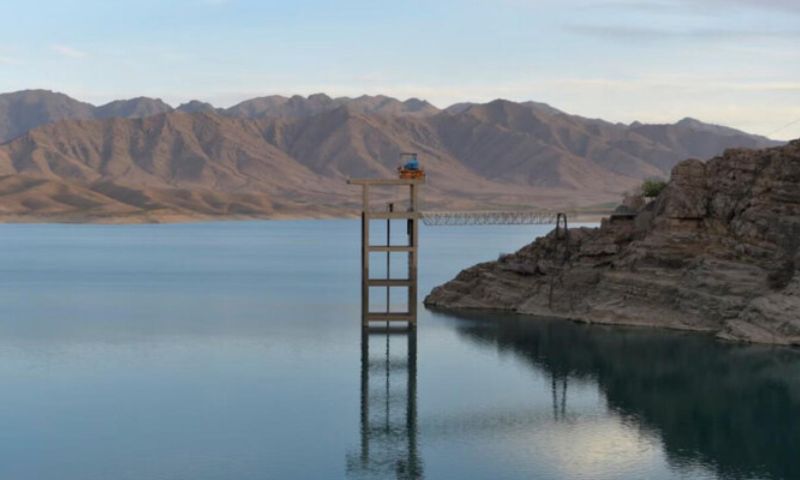
The Helmand River, which originates in the Hindu Kush mountains of Afghanistan and flows into Iran’s Sistan and Baluchestan province, has historically been a flashpoint over water allocation.
Past agreements, including the 1973 Helmand Water Treaty, guarantee Iran a minimum annual share, but disputes have persisted due to delays or unilateral water projects upstream.
Pezeshkian warned that any reduction in flows could exacerbate water stress in Iran’s eastern provinces, threatening agriculture, livestock, and access to potable water.
He urged the Iranian government to pursue bilateral dialogues with Kabul, leverage regional cooperation mechanisms, and strengthen technical monitoring to ensure adherence to existing agreements.
The Iranian official also called for the deployment of modern monitoring technologies, the establishment of joint water commissions, and regular reviews of river flows to prevent unilateral actions that could compromise water availability.
These steps are part of Tehran’s broader strategy to secure critical water resources while maintaining constructive relations with neighbouring countries.
Water scarcity is an urgent challenge for the region. Climate change, prolonged droughts, and population growth have intensified competition for scarce resources in both Iran and Afghanistan.
Analysts warn that without proactive management, tensions over shared rivers could escalate, affecting regional stability and economic development.
The call for stronger measures comes at a time when Afghanistan is pursuing water infrastructure projects upstream, including dams and irrigation schemes.
While these projects aim to improve domestic water supply, Iranian officials stress that coordination is essential to prevent adverse downstream impacts.
Experts note that successful transboundary water management in the region requires a combination of diplomacy, technical capacity, and community engagement.
Iran’s appeal reflects both its immediate need to secure water for vulnerable provinces and the long-term necessity of building sustainable, cooperative water governance mechanisms in South and Central Asia.