



Key Points
- Officials say the mission advances the country’s space and satellite development programme
- The satellite is expected to strengthen the national broadcasting infrastructure
- The launch comes amid persistent tensions with the United States and scrutiny over potential dual-use technologies
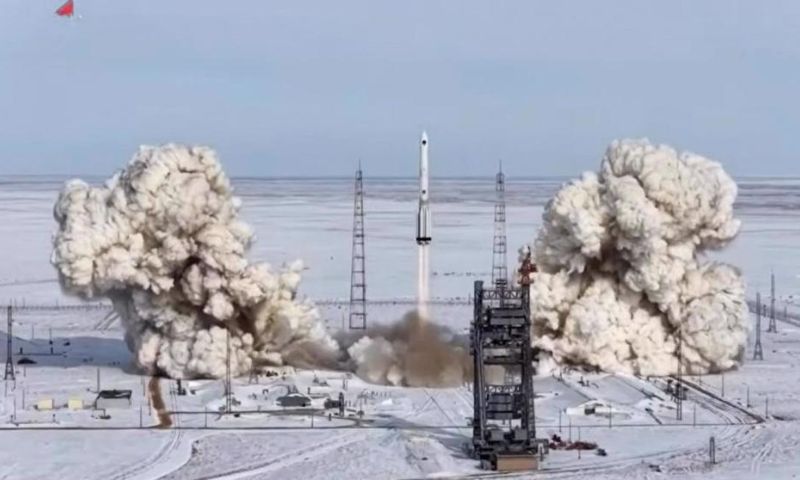
ISLAMABAD: Iran has taken another step forward in its space ambitions after the successful launch of the Jam Jam 1 satellite, with officials describing the mission as a milestone for the country’s technological progress, according to a post by Iran Defence Force on X, and reported by Press TV.
The communications satellite was designed to support interactive audio and video transmission for ground-based broadcasting services, enhancing the reliability and reach of Iran’s national media network.
Space authorities indicated that the satellite will undergo orbital positioning and technical checks before becoming fully operational, a process that typically takes several weeks following launch.
The development reflects Tehran’s continued investment in indigenous space technology as it seeks to expand telecommunications capacity, improve data transmission, and reduce reliance on foreign satellite services.
The mission comes against the backdrop of longstanding tensions between Iran and the United States, with Western officials frequently expressing concern that advances in Iran’s space programme could overlap with technologies used in ballistic missiles.
Tehran has consistently rejected such claims, maintaining that its space activities are intended for peaceful communications and scientific purposes.
🚀🇮🇷 Successful launch of Iran’s satellite Jam Jam 1.
Officials say the mission marks another step forward in the country’s space and satellite development program. pic.twitter.com/je05MqNVdT
— IranDefenceForce (@IranDefenceForc) February 13, 2026
Security analysts note that satellite communication systems increasingly support modern defence capabilities, including coordination for unmanned aerial vehicles and missile platforms, particularly when integrated with artificial intelligence for navigation, targeting, and real-time data processing.
Analysts view the launch as part of a broader strategy to build long-term resilience in critical infrastructure, particularly in communications, where satellites play a central role in broadcasting, emergency coordination, and digital connectivity.
Iran has accelerated its space efforts in recent years with a mix of domestically developed platforms and international launch cooperation, signalling its intent to remain an active player in the evolving global space sector.