


WASHINGTON: Iran has launched critical nuclear negotiations with the United States, emphasizing that a deal is possible provided Washington honors Tehran’s key conditions.
These include the continuation of symbolic uranium enrichment, the ability to dilute its stockpile of highly enriched uranium, and no restrictions on its ballistic missile program, according to The Guardian.
Iranian officials stress that these three conditions are essential for a successful agreement, though it remains uncertain whether US President Donald Trump will accept them.
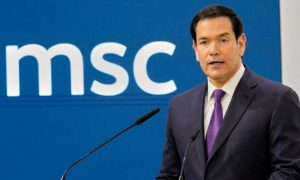
US Secretary of State Marco Rubio warned that Iran’s failure to address missile constraints could create serious complications. US envoy Steve Witkoff and Trump’s adviser Jared Kushner are heading to Geneva for the talks.
Iranian diplomats note that both had previously accepted similar principles in indirect discussions, including limiting enrichment below 5 percent, far under weapons-grade levels.
An Iranian source familiar with the talks said that the proposals submitted last week were relatively flexible, requiring only that enrichment remain under 5 percent and nuclear activities focus on civilian use.
Immediate sanctions relief or diplomatic incentives were not offered, leaving Iran under economic pressure, though gradual relief could follow during ongoing negotiations.
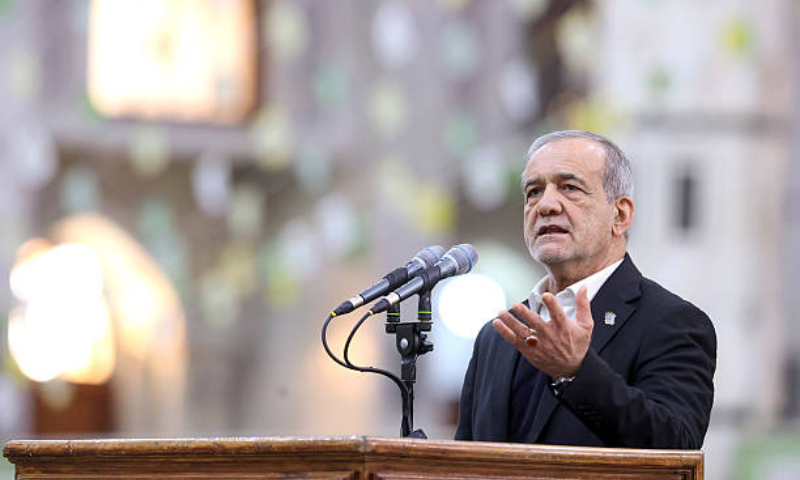
Iranian Foreign Minister Abbas Araghchi said Tehran aims to achieve a “fair and just agreement quickly” and reiterated that Iran will never develop nuclear weapons while preserving its right to peaceful nuclear technology.
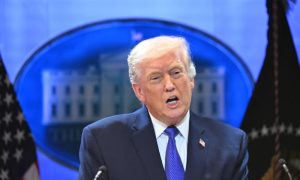
Tensions remained high as President Donald Trump delivered a State of the Union address, expressing strong concerns over Iran’s missile program, its regional activities, and recent domestic unrest that has reportedly resulted in significant loss of life.
Iranian officials, including spokesperson Esmaeil Baqaei, dismissed Trump’s remarks as disinformation, asserting that Iran has no nuclear weapons ambitions.
Obama-era nuclear agreement
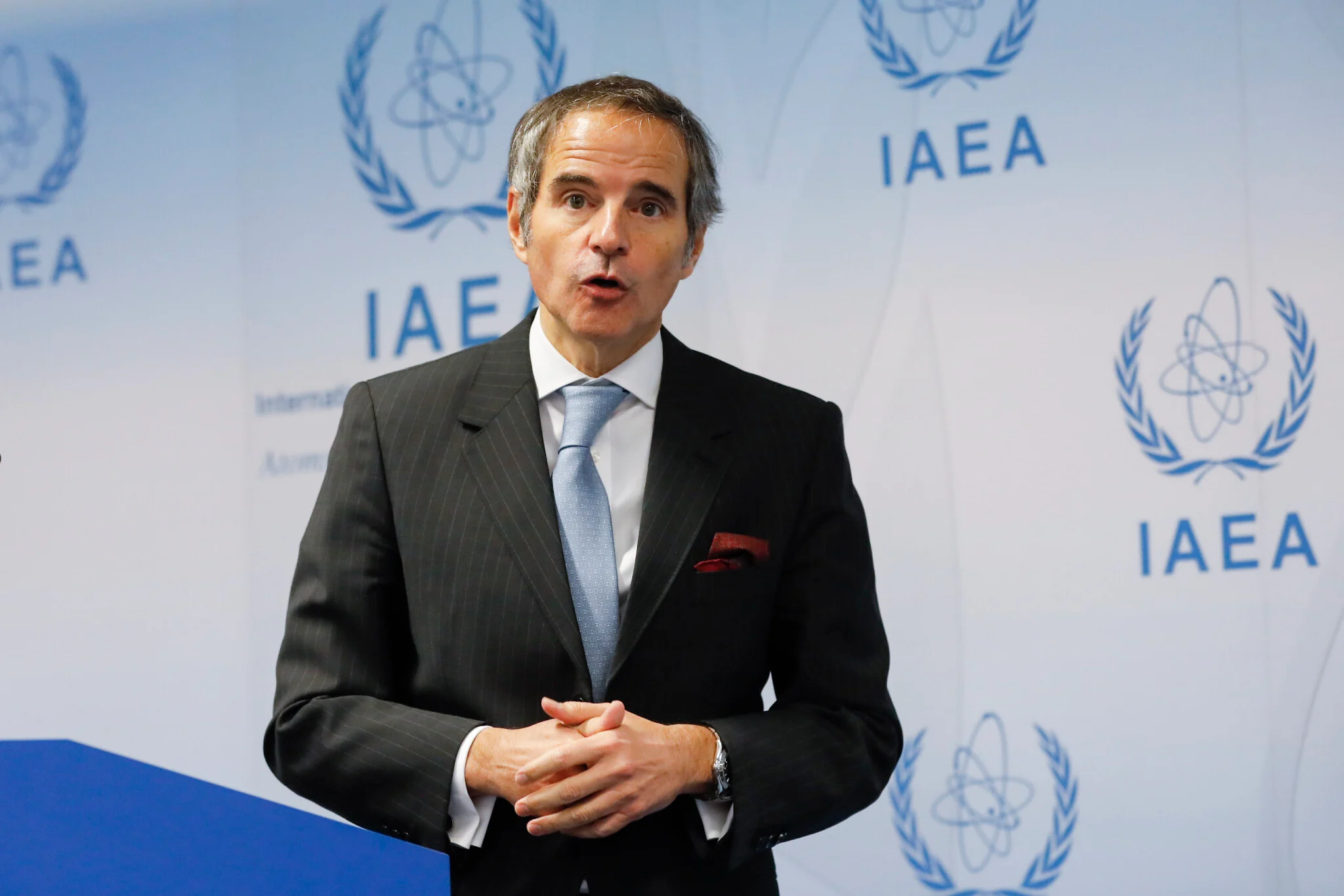
The Geneva talks are being closely monitored by Raphael Grossi, Director-General of the International Atomic Energy Agency, to ensure verification aligns with international standards.
Iran has indicated willingness to frame any deal in a way that allows Trump to present it as an improvement over the 2015 Obama-era atomic agreement, addressing domestic political needs in the US.
Analysts say Iran is unlikely to agree to a complete halt of enrichment but may accept symbolic limits to safeguard its nuclear rights.
A precedent exists from 2003, when Iran suspended enrichment and allowed UN inspections under an arrangement with France, Germany, and the UK.
Iranian negotiators will also push for irreversible sanctions relief, including access to previously frozen assets.
Meanwhile, alleged domestic protests, particularly at universities, have continued for nearly two months, underscoring ongoing internal tensions as Tehran navigates high-stakes diplomacy.