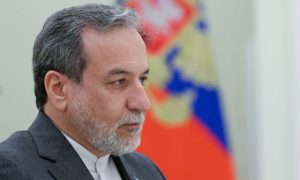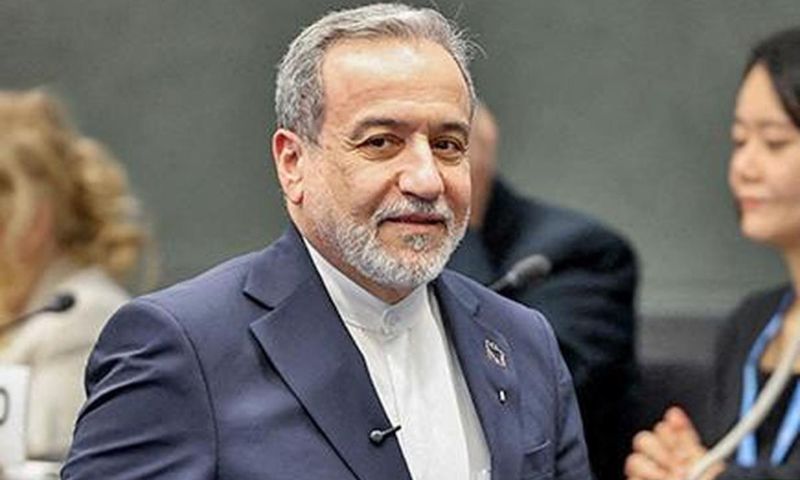



TEHRAN, Iran: Iranian Foreign Minister Abbas Araghchi said on Wednesday that Tehran was drafting an initial framework to advance future nuclear talks with Washington, during a phone call with UN nuclear watchdog chief Rafael Grossi.
In a statement, Iran’s foreign ministry said Araghchi stressed the Islamic Republic’s focus on preparing “an initial and coherent framework to advance future talks”.
The call came a day after a second round of Oman-mediated indirect negotiations between Iran and the United States in Geneva.
Grossi positively assessed Tuesday’s meeting and expressed the International Atomic Energy Agency’s readiness to support the formation of a negotiating framework, Iranian media reported.
Progress in Geneva talks
On Tuesday, Araghchi said Tehran and Washington had reached a broad agreement on a set of “guiding principles” that would serve as the basis for drafting a potential deal to avoid conflict.
“Ultimately, we were able to reach broad agreement on a set of guiding principles, based on which we will move forward and begin working on the text of a potential agreement,” he told Iranian state television after around four hours of talks.
He described the discussions as “more constructive” than an earlier round held this month. However, he cautioned that progress did not mean a final deal was imminent.
“Both sides have positions that will take some time to bring closer together,” he said, adding that no date had yet been set for a third round of talks.
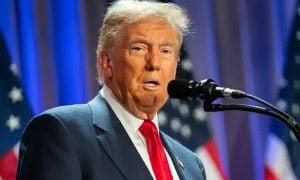
The Iranian delegation was led by Araghchi. The US side was headed by Special Envoy Steve Witkoff and President Donald Trump’s adviser Jared Kushner.
Both delegations met separately with Omani Foreign Minister Badr Albusaidi before exchanging messages through mediators.
Albusaidi said on X that the talks ended with “good progress towards identifying common goals and relevant technical issues”.
US warning to Iran
Despite reported progress, US officials maintained a firm stance.
US Energy Secretary Chris Wright said on Wednesday that Washington would prevent Tehran from acquiring nuclear weapons “one way or the other”.
Speaking in Paris on the sidelines of meetings at the International Energy Agency, Wright said Trump “believes firmly we cannot have a nuclear-armed Iran”.
“So one way or the other, we are going to end, deter Iran’s march towards a nuclear weapon,” he said.
US Vice President JD Vance said Tehran had not yet acknowledged all of Washington’s “red lines”.
Meanwhile, Axios reported that a major military confrontation between the US and Iran could be imminent, with preparations by Washington and Israel suggesting a sustained campaign rather than a limited strike.
According to Axios, senior US and Israeli officials see the possibility of conflict “very soon,” with plans reportedly pointing to a broad, weeks-long operation that would resemble full-scale war.
A source cited by Axios said there is a high likelihood of kinetic action within the coming weeks, though the exact timeline remains uncertain.
The report said the proposed campaign would be significantly larger in scope than last year’s focused operations, involving a more extensive range of objectives and forces.
Israeli officials reportedly believe combat could begin within days if diplomatic talks fail.
The US has been steadily increasing its military presence in the Middle East, positioning assets including aircraft carriers, warships and fighter jets.
Reuters and other media outlets have reported preparations for potentially long operations against Iran should political authorisation be given, highlighting deployments of additional carriers and air power as part of broader contingency planning.
Iran eyes sanctions relief
Iranian Foreign Ministry spokesman Esmaeil Baghaei said lifting sanctions would be an integral part of any agreement.
“We have come here with an open mind and open eyes,” Baghaei told Iranian state media, adding that time was “very important and vital” for Tehran.
A senior Iranian official told Reuters that US seriousness in lifting sanctions and avoiding “unrealistic demands” would be key to effective negotiations.
Iran insists it does not seek nuclear weapons. Araghchi said nuclear arms have “no place whatsoever in Iran’s national security doctrine”.
He said the Nuclear Non-Proliferation Treaty recognises the “inalienable right” of member states to pursue peaceful nuclear energy, including uranium enrichment.
“This right is inherent, non-negotiable and legally binding,” he said.
Washington has repeatedly called for zero enrichment and has sought to broaden discussions to include Iran’s ballistic missile programme.
Tehran insists the talks should focus solely on the nuclear file.
Araghchi also criticised the US withdrawal in 2018 from the 2015 nuclear deal, formally known as the Joint Comprehensive Plan of Action, describing it as a violation of an internationally endorsed agreement.
US-Iran tensions
Diplomatic efforts are unfolding amid heightened tensions in the Gulf.
Iran has suspended some cooperation with the IAEA and restricted inspectors’ access to sites bombed by Israel and the United States during a 12-day war in June, accusing the agency of bias.
Earlier on Wednesday, Iran’s ambassador to the IAEA in Vienna, Reza Najafi, held a joint meeting with Grossi and the ambassadors of China and Russia to discuss developments related to Iran’s nuclear programme and the upcoming Board of Governors session.
Iran’s Supreme Leader Ali Khamenei warned against imposing preconditions on negotiations.
“If negotiations are going to take place, determining the outcome of the negotiations in advance is wrong and foolish,” he said.
He also warned that US naval assets could be targeted if the conflict escalates.
Iran’s Revolutionary Guard Navy commander, Alireza Tangsiri, said his forces could close the Strait of Hormuz if ordered.
The Strait of Hormuz, linking the Gulf to the Gulf of Oman and the Arabian Sea, is the world’s most important oil transit chokepoint.
The US Energy Information Administration says about 20 percent of global oil consumption passes through it.
Washington has increased its naval presence in the region, deploying an aircraft carrier group in recent weeks.