


Key Points
- Iran denies involvement in attacks on Saudi oil infrastructure
- Ambassador claims adversaries using drones disguised as Iranian systems
- Tehran calls for a serious review of relations with Gulf states
- Remarks come amid escalating Iran-US-Israel conflict affecting regional security
ISLAMABAD: Iran denied any role in recent attacks on Saudi Arabia’s oil infrastructure, accusing adversaries of staging drone operations to blame Tehran amid intensifying regional tensions and calling for a serious review of relations with Gulf states.
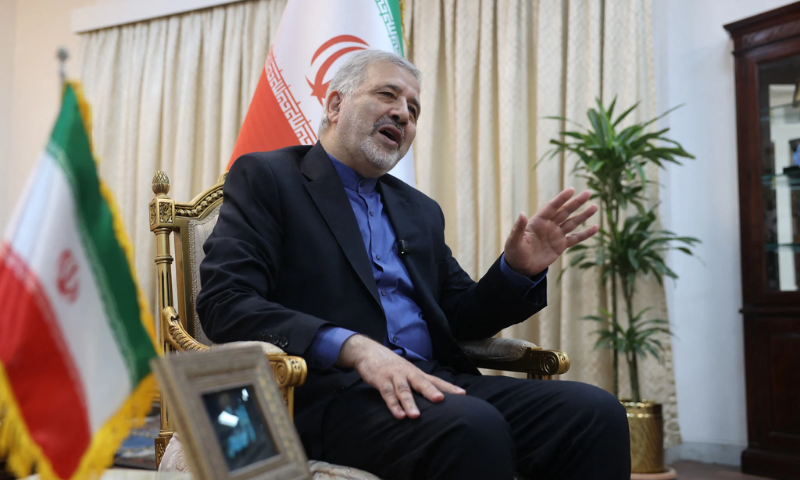
Iran’s ambassador to Saudi Arabia, Alireza Enayati, said the changing security environment in the Gulf required regional countries to reassess their relations and cooperation frameworks.
In a post on the social media platform X (formerly Twitter), the envoy rejected accusations that Iran was behind attacks on Saudi energy installations and alleged that hostile actors were using drones disguised as Iranian “Shahed” systems to carry out strikes.
تنويه من مقر خاتم الأنبياء: العدو يشن هجمات على أهداف غير مشروعة في الدول الجارة بطائرة مسيرة مُقلّدة من “شاهد” باسم طائرة لوكاس، ان الجمهورية الإسلامية الإيرانية لا تهاجم إلا أهدافا ومراكز ومصالح الولايات المتحدة والكيان الصهيوني، وستتحمل مسؤولية أي مكان تستهدفه بإصدار بيان رسمي pic.twitter.com/0rp0aKjMQk
— علي رضا عنایتي (@Ali_RezaEnayati) March 15, 2026
“Notice from the Headquarters of the Seal of the Prophets: The enemy is launching attacks on illegitimate targets in neighbouring countries using a drone disguised as a ‘Shahed’ under the name Lucas drone,” he wrote.
He added that the Islamic Republic of Iran only targets the interests and facilities of the United States and what he called the “Zionist entity,” referring to Israel, and would officially claim responsibility for any operations it conducts.
“The Islamic Republic of Iran only attacks targets, centres and interests of the United States and the Zionist entity, and will bear responsibility for any place it targets by issuing an official statement,” the ambassador said.
The remarks come as the Gulf region faces heightened security concerns following reports of drone and missile incidents near Saudi energy facilities, including installations linked to the kingdom’s oil export network.
Saudi Arabia, the world’s largest crude exporter through its national oil company Saudi Aramco, has previously faced attacks on its energy infrastructure during periods of regional tension, most notably the 2019 strikes on major oil processing facilities that temporarily disrupted global oil supplies.
The latest accusations and denials come against the backdrop of an expanding confrontation involving Iran, the United States and Israel, which has triggered missile and drone strikes across several locations in the Middle East and raised fears about the security of critical energy infrastructure and shipping routes in the Gulf.
Regional analysts say the escalation has renewed concerns about the vulnerability of oil production and maritime traffic in strategic waterways such as the Strait of Hormuz, which is a route for the transit of a major share of the world’s oil exports.
The ambassador reiterated that countries in the region should deepen cooperation and reduce reliance on outside actors.
He said long-term stability would require dialogue and coordination among Gulf countries, including members of the Gulf Cooperation Council, besides Iran and Iraq.
The diplomatic messaging also reflects cautious attempts to prevent further deterioration in relations with Gulf neighbours following the China-brokered rapprochement between Iran and Saudi Arabia in 2023, which had helped ease years of hostility before the current regional conflict reignited tensions.