


SEOUL: Escalating conflict involving Iran in the Middle East could threaten supplies of critical materials used in semiconductor manufacturing, a South Korean ruling party lawmaker has warned.
Kim Young-bae raised the concern on Thursday after meeting executives from major technology firms, including Samsung Electronics, as well as industry groups.
He said the ongoing conflict could potentially interrupt the supply of certain resources sourced from the Middle East that are essential for chip production.
“Industry officials noted that semiconductor manufacturing could face disruption if some of these materials become difficult to obtain from the region,” Kim told reporters following the meeting.
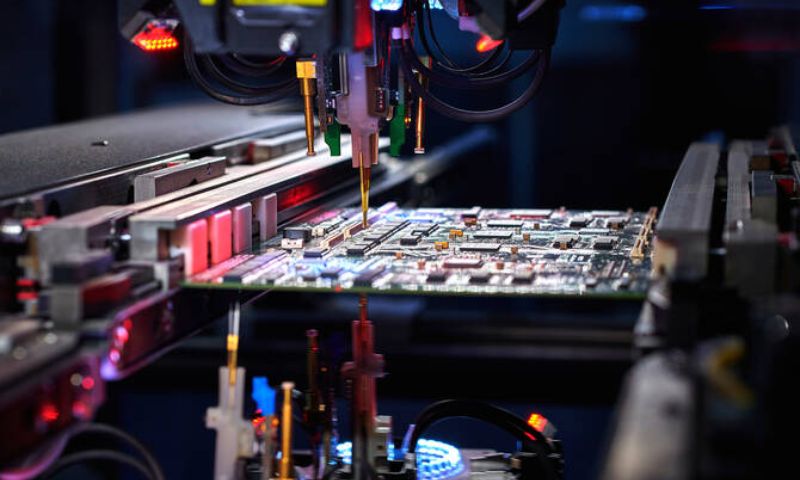
One of the key concerns involves helium, a gas crucial for cooling and heat management during the semiconductor production process, according to Reuters.
With limited global sources and no effective substitutes, helium supplies remain highly sensitive to geopolitical instability. Countries such as Qatar and the United States are among the leading producers.
South Korea is a major force in the global semiconductor sector, accounting for roughly two-thirds of worldwide memory chip production.
Industry leaders fear that a prolonged crisis could also push up energy prices, further increasing production costs for chipmakers.
Despite these concerns, memory chip producer SK Hynix said it currently has sufficient helium reserves and does not anticipate immediate supply disruptions.
Meanwhile, US-based contract chipmaker GlobalFoundries said it is closely monitoring developments in the region while coordinating with suppliers and partners.
The warning comes as semiconductor manufacturers are already dealing with supply pressures driven by surging demand for chips used in artificial intelligence data centres, which has tightened availability for other sectors such as smartphones, computers and automobiles.
Industry representatives also cautioned that continued instability could slow plans by major technology companies to expand AI data centres in the Middle East, potentially affecting long-term chip demand.
Concerns intensified after Amazon reported that some of its data centre facilities in the United Arab Emirates and Bahrain were damaged in drone attacks earlier this week.
The Middle East has increasingly been viewed by technology companies as a strategic hub for AI infrastructure.