


Key Points
- Iran confirms receiving US proposals for potential talks via intermediaries
- Pakistan engages Iran at leadership level to support de-escalation
- Report highlights contact between Pakistan’s army chief and the US President
ISLAMABAD: Iran has confirmed that it has received proposals from the United States for potential talks, even as hostilities continue across the region.
According to Reuters, Iranian Foreign Ministry spokesperson Esmail Baghaei confirmed that messages outlining potential negotiations had been received through intermediaries.
He added that no formal negotiations are currently underway. This acknowledgement marks a departure from earlier denials and indicates that indirect diplomatic channels remain active and positive outcomes have started to appear.
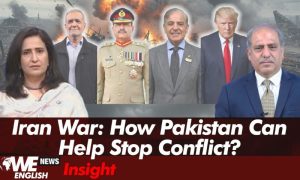
Meanwhile, Pakistan’s Prime Minister Shehbaz Sharif said Islamabad stands ready to host “meaningful and conclusive talks” between the United States and Iran to help end the ongoing conflict, reaffirming his country’s support for diplomatic efforts aimed at restoring regional peace and stability.
PM Sharif said that Pakistan welcomes and fully supports ongoing efforts to pursue dialogue to end the Middle East war, in the interest of peace and stability in the region and beyond.
“Subject to concurrence by the US and Iran, Pakistan stands ready and honoured to be the host to facilitate meaningful and conclusive talks for a comprehensive settlement of the ongoing conflict,” PM Sharif said in a statement posted on X.
Pakistan welcomes and fully supports ongoing efforts to pursue dialogue to end the WAR in Middle East, in the interest of peace and stability in region and beyond. Subject to concurrence by the US and Iran, Pakistan stands ready and honoured to be the host to facilitate…
— Shehbaz Sharif (@CMShehbaz) March 24, 2026
Pakistan’s Foreign Office spokesperson also reiterated Islamabad’s commitment to resolving the ongoing Middle East conflict through diplomatic engagement, amid continuing hostilities involving the United States, Israel and Iran.
Foreign Office spokesperson Tahir Andrabi said Pakistan’s position remained consistent with its longstanding policy of supporting peaceful resolution through diplomatic means and engagements. The spokesperson added that certain matters should be advanced with discretion.
“Diplomacy and negotiations often require that certain matters be advanced with discretion,” the spokesperson said.
He urged the media to avoid speculation and wait for official announcements on any developments. “The media is therefore encouraged to refrain from speculation and to await official announcements regarding decisions and outcomes.”
According to international media reports, Pakistan has intensified diplomatic efforts to resolve the US-Iran conflict through diplomacy and prevent further escalation.
Meanwhile, Pakistan has stepped up high-level diplomatic engagement.
Foreign Minister Ishaq Dar held a telephone conversation with his Iranian counterpart, discussing the evolving situation and emphasising the need for dialogue and restraint, according to the Wall Street Journal.
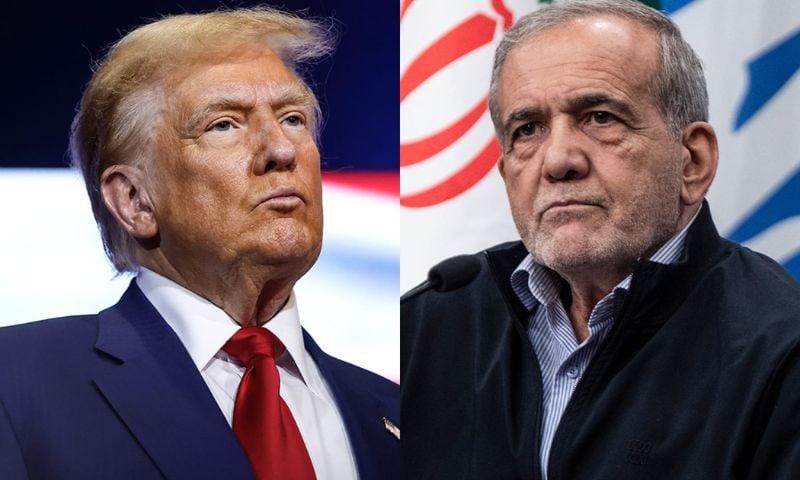
A day earlier, Prime Minister Shehbaz Sharif spoke with Iranian President Masoud Pezeshkian, reaffirming support for de-escalation efforts and offering continued diplomatic engagement, the Wall Street Journal reported.
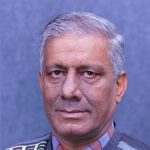
Separately, the Financial Times reported that Pakistan’s Chief of Army Staff, Field Marshal Asim Munir, had held a call with US President Donald Trump in a bid to facilitate diplomatic engagement.
Analysts note that the combination of Iran’s acknowledgement of US proposals and Pakistan’s active diplomatic outreach points to a widening but still fragile effort to open pathways for dialogue. However, with military exchanges continuing, the prospects for a ceasefire remain uncertain.
The current war in the Middle East erupted on February 28 when the US and Israel carried out coordinated strikes and killed the Iranian top leadership.
Iran started retaliating with missiles and drones targeting Israel and the US assets and bases in the Middle East.
Escalating missile strikes, drone attacks, and retaliatory actions of Iran sent shockwaves through the global energy markets, heightening the risk of a wider conflict.
The hostilities have disrupted civilian life, threatened energy routes, and intensified diplomatic efforts by regional and global stakeholders to prevent further escalation.