


LONDON: Iran has announced that “non-hostile vessels” may continue to pass through the strategically vital Strait of Hormuz, provided they comply with safety regulations and avoid any involvement in actions against the country.
The statement, formally submitted to the International Maritime Organization (IMO), comes at a time of heightened regional tensions following ongoing conflict involving the United States and Israel.
According to AFP quoting the communication issued by Iran’s foreign ministry and circulated by the IMO among member states, ships that do not support or participate in hostile activities against Iran—and that adhere strictly to maritime safety and security protocols—will be permitted safe transit through the narrow waterway. Coordination with designated Iranian authorities remains a key requirement for passage.
However, Tehran drew a clear line regarding vessels associated with what it described as “aggressor parties.” It explicitly stated that ships, equipment, or assets linked to the United States, Israel, or any entities involved in military actions against Iran would not be granted what it termed “innocent or non-hostile passage.”
The statement also placed responsibility for escalating risks in the Strait of Hormuz on Washington and Tel Aviv, accusing them of conducting an unlawful military campaign that has destabilized the region. Iran argued that these actions have significantly increased threats to international shipping and undermined broader regional security.
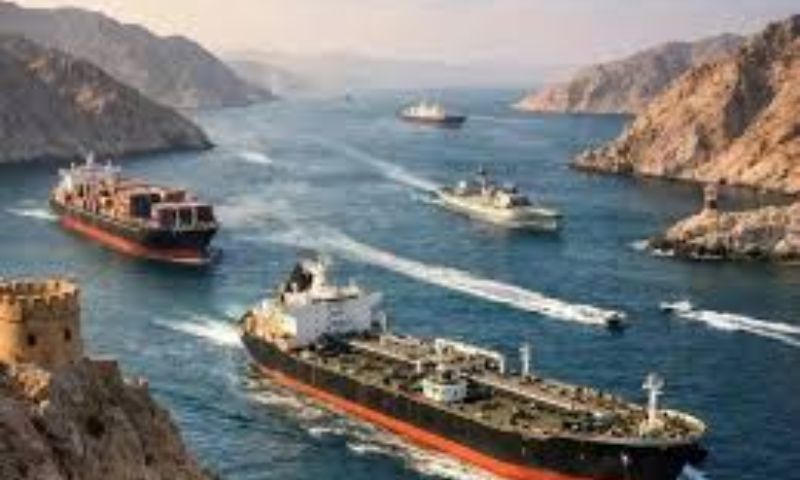
The Strait of Hormuz, a critical chokepoint for global energy supplies, has been under severe strain since hostilities intensified in late February. Iran’s effective restrictions on the passage have already disrupted shipping flows, contributing to sharp increases in global oil and gas prices.
With tensions still high, maritime operators and global markets remain cautious, closely monitoring developments in one of the world’s most crucial energy transit routes.