


MANILA, Philippines: Investigators are examining possible links to the Islamic State as the Philippines rejected claims that its territory was used for terrorist training, following revelations that the suspects behind Sydney’s deadly Bondi Beach attack had travelled to the country weeks before the shooting.
Speaking at a press briefing on Wednesday, presidential spokeswoman Claire Castro said President Ferdinand Marcos Jr. strongly rejected what she described as a misleading portrayal of the Philippines as a training hub for Islamic State militants.
“No evidence has been presented to support claims that the country was used for terrorist training,” Castro said, quoting a statement from the National Security Council. “There is no validated report or confirmation that individuals involved in the Bondi Beach incident received any form of training in the Philippines.”
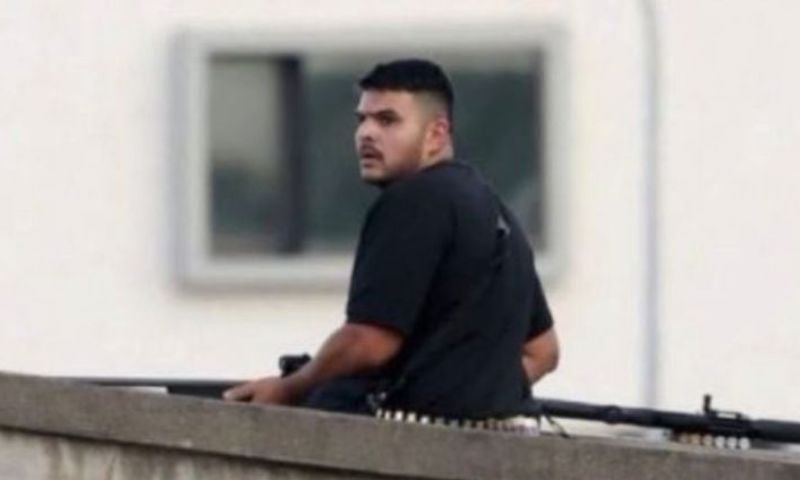
Philippine authorities have, however, confirmed that the father-and-son suspects travelled to the country in November, weeks before the December 14 attack in Sydney that killed at least 15 people and wounded dozens during a Hanukkah celebration.
According to the Philippine Bureau of Immigration, 50-year-old Sajid Akram entered the country on November 1 using an Indian passport, while his 24-year-old son, Naveed Akram, travelled on an Australian passport. Both listed Davao, a major city on the southern island of Mindanao, as their destination.
Immigration officials said the pair remained in the Philippines until November 28, departing from Davao to Manila before flying onward to Sydney.
The travel details have drawn attention because Mindanao has long been associated with Islamist insurgencies. The region has been the base of groups such as Abu Sayyaf and the Maute network, both of which have pledged allegiance to the Islamic State.
In 2017, IS-aligned fighters seized the city of Marawi in a five-month siege that left more than 1,000 people dead and displaced hundreds of thousands.
Australian authorities are investigating whether the suspects had any contact with extremists during their stay. Philippine officials say no such links have been established.
The Philippine military said on Wednesday that remaining militant groups in Mindanao have been significantly weakened since the Marawi siege. “We have not recorded any major terrorist operations or training activities since the beginning of 2024,” military spokeswoman Colonel Francel Padilla said, adding that insurgent factions were fragmented and lacked leadership.
Colonel Xerxes Trinidad also played down the possibility of meaningful training during the suspects’ visit. “Training cannot be acquired in just 30 days, especially marksmanship training,” he said.
Some analysts, however, caution against assuming militant networks have been fully dismantled. Manila-based security analyst Rommel Banlaoi told AFP that while insurgent groups are under pressure, some training camps remain active in parts of central Mindanao and maintain links through online networks.
Australian authorities have said the Bondi Beach attack was motivated by Islamic State ideology, citing material recovered during the investigation, including ISIS-related symbols and improvised explosive devices found in a vehicle linked to the suspects.
Prime Minister Anthony Albanese has said intelligence agencies are examining the suspects’ travel history, online activity and ideological background as part of a broader international investigation involving authorities in Australia, the Philippines and India.
Officials on all sides have stressed that inquiries are ongoing and that conclusions will be based on verified intelligence rather than assumptions drawn from travel or nationality alone.