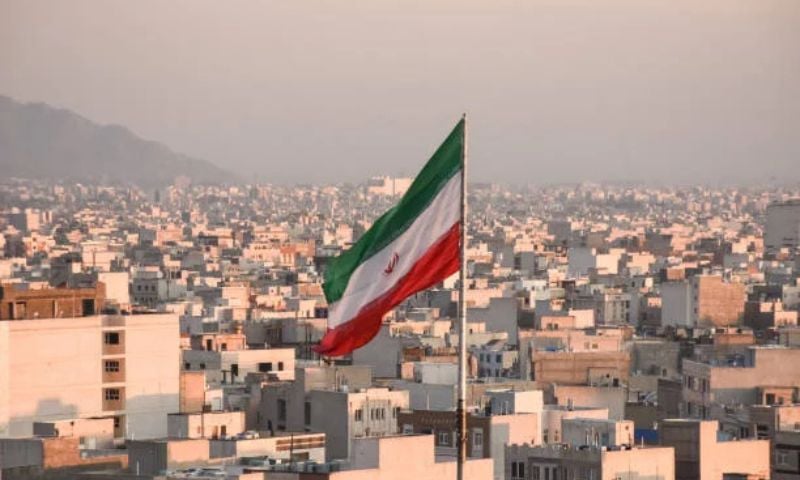



TEHRAN: Iranian state media reported that a constitutional transitional leadership mechanism has been activated following the death of Supreme Leader Ayatollah Ali Khamenei, with senior state officials assuming collective responsibility for governing the country until a successor is appointed.
According to the reports, senior official Mohammad Mokhber announced that the duties of the supreme leadership during the interim period will be managed by a three-member body in line with Iran’s constitution.
The transitional council comprises President Masoud Pezeshkian, Judiciary Chief Gholamhossein Mohseni-Ejei, and a senior jurist selected from the Guardian Council.
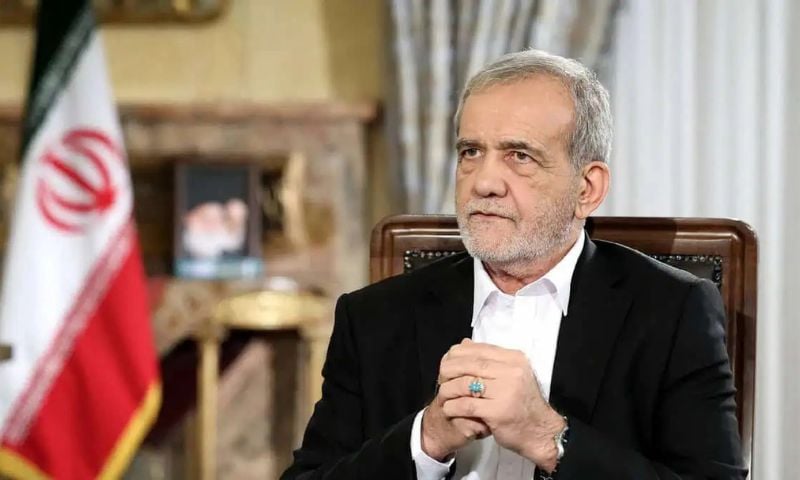
Under Article 111 of Iran’s constitution, in the event of the death, resignation, or removal of the Supreme Leader, this collective body assumes leadership responsibilities temporarily.
The arrangement remains in place until the Assembly of Experts, the constitutional body tasked with selecting and supervising the Supreme Leader, formally appoints a successor.
State media did not immediately provide a timeline for the selection process but said the constitutional procedures would be followed to ensure continuity of governance.
Possible Successor Speculation
Some media outlets and political analysts have mentioned Ali Larijani as a possible contender to succeed Ayatollah Ali Khamenei as Iran’s next Supreme Leader, citing his long experience in senior state roles and close ties to the political and security establishment.
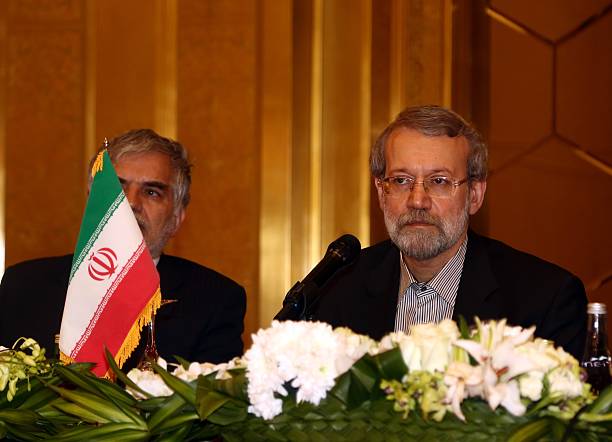
Larijani, a former parliament speaker and senior national security official, is viewed by some observers as a seasoned insider with deep institutional connections.
However, there has been no official confirmation of his candidacy, and under Iran’s constitution, the final decision rests with the Assembly of Experts, which is responsible for formally electing the country’s next Supreme Leader.
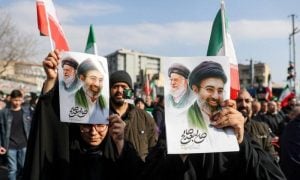
Khamenei, who had led Iran since 1989, was the country’s highest political and religious authority, wielding ultimate control over the armed forces, judiciary, and key state institutions.
His death marks a pivotal moment in the Islamic Republic’s history, triggering a closely watched succession process both domestically and internationally.