



Key points
- Factories rely on over-exploited groundwater aquifers
- Companies adopt recycling and water-efficient technologies
- Local villagers face limited access, tensions persist
ALWAR, India: Global beverage companies operating in India are facing growing challenges as water scarcity in Rajasthan intensifies, affecting operations and creating tensions with local communities.
Major firms including Heineken, Diageo, and Carlsberg must secure sufficient water to run their factories while adhering to strict government regulations and navigating complaints from villagers with limited access to the resource, reports Reuters.
Rajasthan, largely covered by the Thar Desert, experiences extreme water stress. Groundwater extraction rates are among the highest in India, and the industrial town of Alwar—home to most beverage factories—relies heavily on over-exploited aquifers.
While industries consume roughly 2% of the state’s water, all commercial users are required by law to implement rainwater harvesting, aquifer recharge systems, and adopt water-efficient technologies.
“The water tables are declining, and rains are variable,” said Sumit Walia, head of Diageo’s Alwar operations. He said the company aims to reduce water consumption by 40%, fully replenish groundwater used, and recycle all wastewater. Heineken and Carlsberg have introduced similar measures, including water-efficient processes and community projects.
Tensions persist
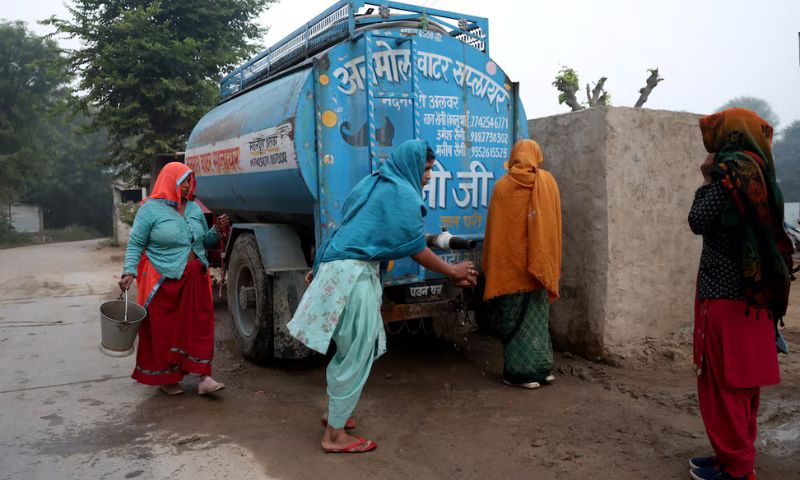
Despite these efforts, tensions persist with local residents. Villagers in Salpur complain of limited water access, sometimes paying high fees or waiting days for borewell water.
Some have blamed brewers for scarcity and filed legal complaints, though inspections confirmed compliance with regulations. Authorities continue to monitor groundwater extraction and enforce restrictions on new permits in over-exploited areas.
Experts say beverage companies contribute only a small fraction of the overall water stress. Firms have also invested in local water infrastructure, desilting ponds, building small dams, installing rainwater harvesting systems, and funding pipelines, benefiting communities and helping improve groundwater levels.
As India’s population grows and industrial and agricultural demands increase, companies face both operational risks and the need to balance social responsibility.
While current sustainability measures have made a positive impact, observers note that larger-scale infrastructure and stricter water management will be essential to secure long-term water availability for both businesses and local communities.