


Key Points
- IndiGo cancels over 400 flights on December 5 amid operational, regulatory, and staffing crises.
- Earlier 2025 airspace closures added stress to scheduling and international routes.
- New DGCA pilot duty rules (FDTL) intensify crew shortages, triggering cascading domestic disruptions.
- Airline seeks partial relief and scaled-back schedules while promising to restore normal operations by February 2026.
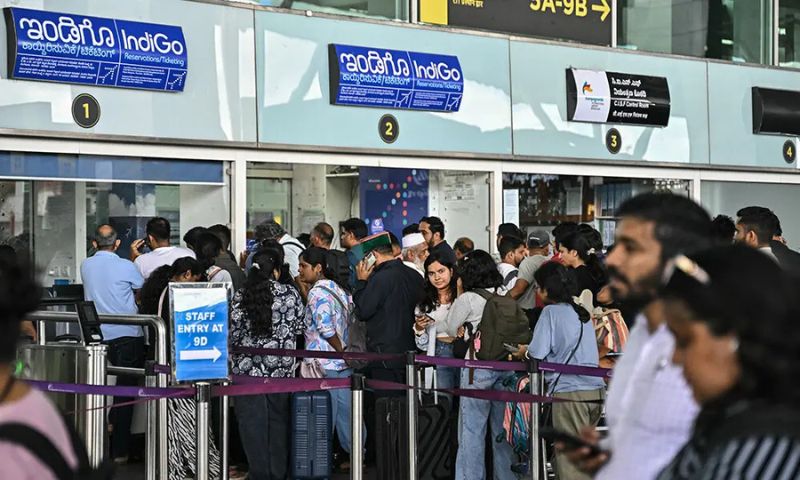
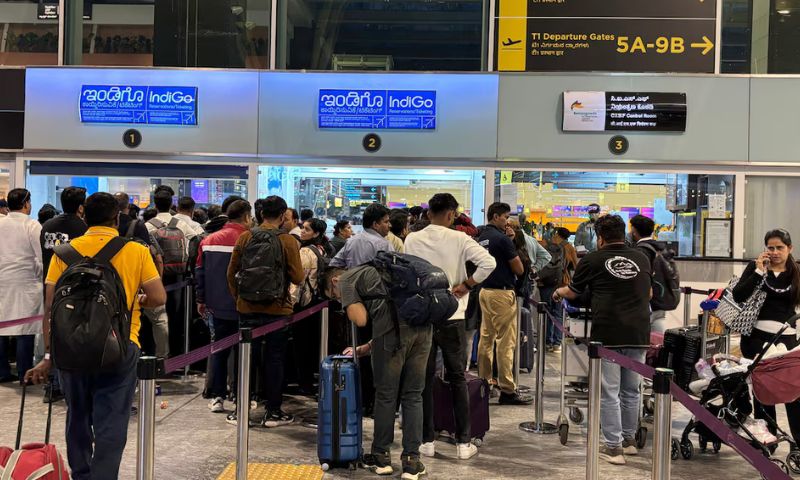
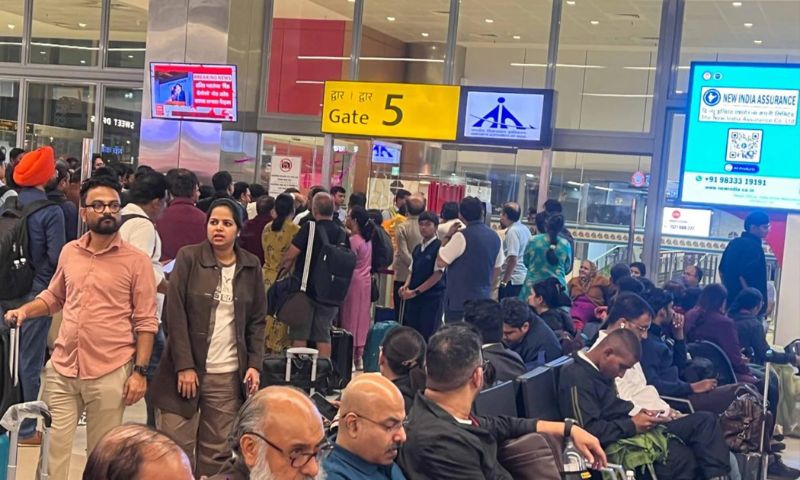
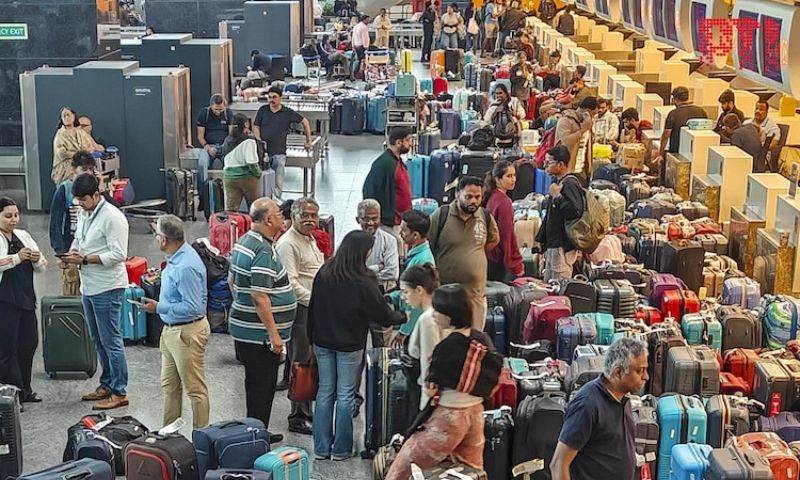
ISLAMABAD: IndiGo, India’s largest domestic airline, cancelled or delayed hundreds of flights over the past week, leaving passengers stranded across major airports and casting a spotlight on systemic vulnerabilities in its operations.
Long Brewing Crisis
The crisis, experts say, is not an isolated occurrence but the culmination of months of operational stress, amplified by regulatory and managerial shortcomings.
Pakistan Airspace Closure-Top Of The Root Causes
The roots of the disruption traced back to earlier in 2025, when regional tensions led to the closure of Pakistan’s airspace to Indian airlines.
The shutdown, which lasted for months with extensions, affected west-bound international routes from India, including destinations in the Middle East, Europe, North America, and Central Asia.
#WATCH Delhi | On IndiGo flight cancellations, Congress MP Kumari Selja, "…Hundreds of flights have been cancelled, and passengers are having to bear the losses. The fares of other airlines have increased a lot. The government should intervene immediately…" pic.twitter.com/zpaNwk1WAg
— ANI (@ANI) December 5, 2025
Airlines were forced to reroute flights over longer paths — often over the Arabian Sea or alternative corridors — adding flight time, fuel costs, crew hours, and scheduling complexity.
#WATCH | Delhi: On IndiGo Airlines continues to face nationwide flight delay, Shiv Sena UBT MP Arvind Sawant says, "… This government belongs to the capitalists. How can a middle-class man afford an air ticket for Rs 65,000? When questioned, ministers say it is all… pic.twitter.com/23nOxTD3gf
— ANI (@ANI) December 5, 2025
Analysts say these stresses reduced operational buffers and resilience within airline networks, leaving carriers vulnerable to subsequent shocks.
Meltdown Trigger
The immediate trigger of the December meltdown was the implementation of DGCA’s stricter Flight Duty Time Limitations (FDTL) for pilots and cabin crew, fully rolled out from November 1, 2025.
The new norms, aimed at mitigating fatigue and enhancing safety, included extended weekly rest periods, restrictions on night flights, and caps on total duty hours.
ALSO READ: IndiGo Flight Cancellations Trigger Chaos at Indian Airports
IndiGo, despite its rapid growth and lean staffing strategy, underestimated crew requirements and lacked sufficient buffer personnel, leaving it unable to maintain schedules under the new regulatory framework.
Other Factors
In addition to staffing constraints, minor technical glitches, winter-season scheduling pressures, adverse weather, and airport congestion compounded operational chaos.
Over 400 flights were cancelled on December 5 alone, with on-time performance across major metro airports plummeting to 8.5%, according to airline data.
Company Confession
Top IndiGo executives acknowledged “misjudgement and planning gaps” in meetings with the Civil Aviation Minister and DGCA officials.
In a letter to staff, CEO Pieter Elbers described the complexity of the airline’s network and pledged multi-level interventions, including scaled-back schedules from December 8 to minimise further disruption.
The airline has also requested a temporary exemption from certain night-flying restrictions under FDTL until February 10, 2026, a demand the regulator is reviewing.
What Exposed
The fallout extends beyond IndiGo’s operations. Analysts warn of reputational damage, passenger dissatisfaction, and potential ripple effects on fares and capacity across India’s aviation sector.
The crisis underscores the delicate balance between regulatory compliance, operational planning, and resilience to external pressures.