


Key Points
- Information Minister Attaullah Tarar condemned Indian media for spreading false narratives linking Pakistan to the Bondi Beach attack
- International media reported widespread misinformation, including the misidentification of a Pakistani man
- Australian authorities confirmed the attackers’ Indian origins, disproving early unverified claims
- Tarar reaffirmed Pakistan’s condemnation of terrorism and called for media accountability
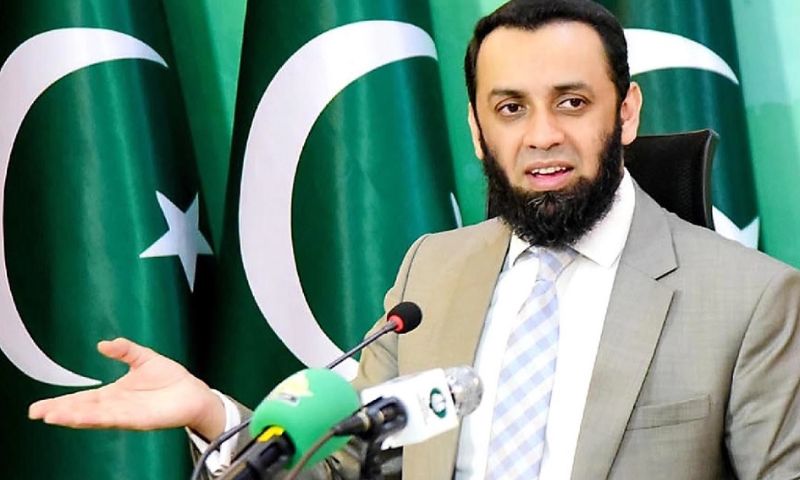
ISLAMABAD: Pakistan’s Information Minister Attaullah Tarar on Wednesday strongly criticised Indian media outlets and social media accounts for spreading what he described as unverified and misleading claims linking Pakistan to the deadly Bondi Beach shooting in Sydney.
Addressing a press conference in Islamabad with foreign media journalists, Tarar said the initial wave of reporting from Indian outlets was not only factually incorrect but also deeply irresponsible, accusing them of rushing to assign blame to Pakistan without confirmation from law enforcement agencies.
According to the minister, the factual situation was the opposite of what was portrayed in early reports. Within minutes of the incident, Indian police themselves confirmed that the principal attacker was an Indian national. Pakistani officials and individuals with similar names were compelled to clarify publicly that Naveed Akram, named in connection with the attack, was the son of an Indian national, Sajid Akram, who authorities say led the father-son duo involved in the shooting.
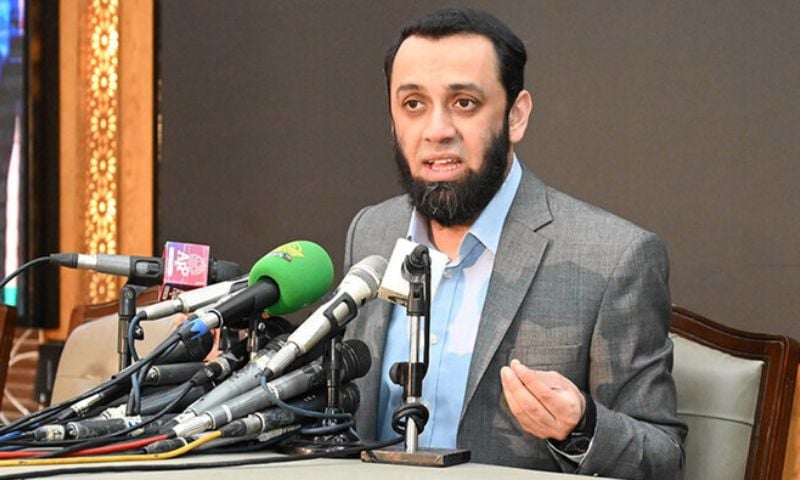
Tarar described the reporting as “unverified and harmful,” saying it reflected a pattern in which Pakistan is blamed without evidence. “On top of this were Indian so-called reputable media outlets that rushed to malign Pakistan without any verification or proof,” he said. He added that such behaviour echoed past incidents in which Pakistan was accused before investigations had even begun, citing what he described as the Pahalgam false-flag episode, where blame was assigned before a first information report was registered.
The information minister said the initial coverage amounted to “reporting without proof and verification,” accusing Indian outlets of deliberately constructing a false narrative against Pakistan. “Perhaps this is because they have no narrative to sell to the world other than a baseless anti-Pakistan mantra,” he said.
Tarar emphasised that the Pakistani government responded responsibly from the outset, immediately condemning the Sydney attack. He noted that both the President and the Prime Minister publicly expressed deep sorrow and solidarity with the victims and their families, reiterating Pakistan’s longstanding opposition to terrorism in all its forms.
He further pointed out that Australian police later confirmed that the attackers were linked to India’s Telangana region, rendering early attempts to associate the attack with Pakistan “baseless.” “No channel verified the Bondi Beach incident before broadcasting,” Tarar said, warning that such reckless reporting undermines journalistic credibility and public trust.
Criticising what he termed irresponsible journalism, Tarar said even some well-known media organisations became part of a broader disinformation campaign. He stressed the importance of verification standards, particularly in cases involving terrorism, where false narratives can have serious diplomatic and security consequences.
The minister also reiterated Pakistan’s long-standing position that it has consistently provided evidence at international forums showing India’s involvement in destabilising activities within Pakistan. Drawing parallels between the targeted killing of Sikh leader Hardeep Singh Nijjar in Canada and the Sydney shooting involving Sajid Akram, Tarar argued that a pattern was emerging that, he said, exposed India’s role in sponsoring terrorism “from Kashmir to around the world.”
International media coverage has highlighted the real-world consequences of misinformation following the Sydney attack. The Guardian reported that a Sydney resident of Pakistani origin, Naveed Akram, was falsely identified online as one of the attackers, with his photograph widely circulated on social media. The man was forced to publicly deny any involvement and said he feared for his safety after receiving threats.
Australian fact-checking organisations also documented how inaccurate reports spread rapidly across social platforms before corrections were issued, underscoring the dangers of unverified reporting. Similar concerns were echoed by Australian broadcaster SBS, which reported that the misidentified individual was “terrified” to leave his home due to the backlash.
Tarar warned that such false narratives could prove extremely dangerous, not only for individuals wrongly accused but also for Pakistan’s international reputation. He called on media organisations involved in spreading unverified claims to issue formal apologies and adhere to professional standards of journalism.
Reaffirming Pakistan’s commitment to the fight against terrorism, the information minister highlighted the country’s sacrifices over decades in combating extremism and stressed that Pakistan would continue to engage with the international community on the basis of facts, evidence and responsible reporting.