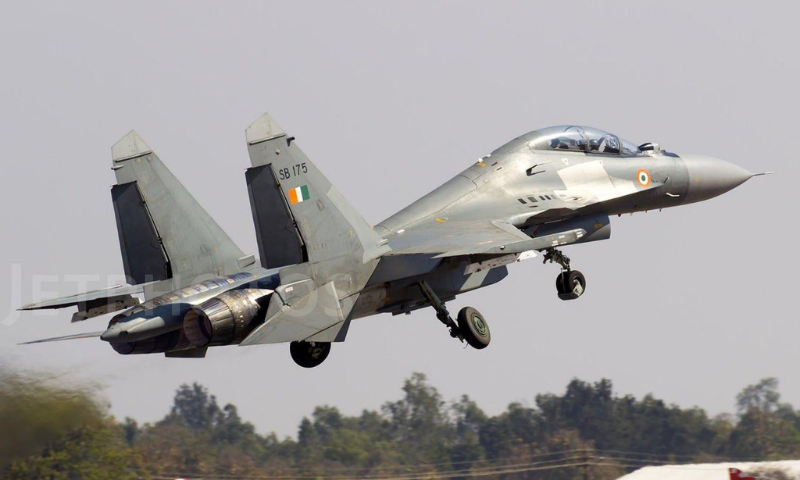



NEW DELHI: India has lost approximately 2,869 military aircraft since its independence in 1947, according to aviation records and defence monitoring databases.
The losses include aircraft destroyed during combat as well as a large number of crashes and accidents during training and routine operations.
The Indian Air Force also came under intense scrutiny in May 2025 following a brief aerial confrontation with Pakistan, during which several Indian aircraft were shot down.
Pakistani officials said that between six and eight Indian warplanes were downed, including advanced fighter jets, during the air engagement.
US President Donald Trump said in public remarks in February this year that Pakistan had shot down ten Indian warplanes during the engagement.
Indian authorities acknowledged that some aircraft had been lost but did not confirm specific numbers.
The incident drew widespread international attention and raised questions about the operational readiness and vulnerability of modern aircraft in high-intensity aerial combat.
The episode was followed by a series of non-combat aviation incidents and jet crashes, further intensifying debate among defence analysts about safety, training standards, and the condition of parts of the Indian Air Force fleet.
Analysts say the figures highlight the scale of aviation safety challenges faced by one of the world’s largest air forces.
Available records show that 143 aircraft were lost in combat between 1948 and 2025, while the rest were lost in accidents, technical failures, and operational incidents.
Aircraft losses since 1947
The losses cover several categories of aircraft, including fighter jets, transport aircraft, trainers, helicopters, and unmanned aerial systems.
Aircraft Type |
Aircraft Lost (1947–2025) |
|---|---|
Fighter Jets |
1,131 |
Transport Aircraft |
1,248 |
Trainer Jets |
229 |
Helicopters |
220 |
Drones / UAVs |
41 |
Total |
2,869 |
The figures indicate that fighter aircraft account for a significant portion of losses, but transport aircraft also represent a large share due to their frequent use in logistics, training, and operational support missions.
Peacetime accidents dominate
Defence analysts note that the vast majority of aircraft losses have occurred during peacetime.
Military aviation accidents often occur during training flights, technical malfunctions, weather-related incidents, or operational errors, rather than during combat operations.
MiG-21 and the “flying coffin” reputation
One of the aircraft most frequently associated with accidents is the MiG-21, a Soviet-era fighter inducted into Indian service in the 1960s.
India acquired 872 MiG aircraft, and more than 400 of them reportedly crashed in accidents since the early 1970s.
Because of its accident record, the aircraft became widely known in media reports and aviation discussions as the “flying coffin.”
Despite the concerns, the MiG-21 remained in service for decades because of delays in replacing the ageing fleet. The Indian Air Force finally retired the aircraft in September 2025.
Personnel impact
Aircraft accidents have also had a significant human cost.
Records indicate that more than 1,305 pilots have lost their lives in aviation incidents involving Indian military aircraft since independence.
Many of these incidents occurred during training flights or operational missions rather than combat.
Recent tensions and aircraft losses
Aircraft losses have occasionally occurred during periods of regional tension.
During a brief aerial engagement between India and Pakistan in May 2025, Indian officials acknowledged that some aircraft had been lost, although the exact number was not publicly disclosed.
Independent and Pakistani sources claimed that between six and eight aircraft were downed, including a Rafale fighter jet.
Causes behind aircraft accidents
Defence analysts, parliamentary committees, and retired military officers have identified several factors that may contribute to aviation incidents.
Ageing aircraft fleets
Several aircraft types remained in service for far longer than in other air forces, including the MiG-21 and Jaguar.
Human error
Investigations suggest that human factors may be a contributing factor in approximately half of aviation accidents in the Indian Air Force.
Technical defects
Maintenance challenges and shortages of spare parts—especially after the collapse of the Soviet Union—have also been cited as contributing factors.
Training issues
Experts say lapses in training and the use of ageing trainer aircraft have played a role in some incidents.
Modernisation efforts
To address these challenges, the Indian Air Force has been working to modernise its fleet and gradually replace ageing aircraft.
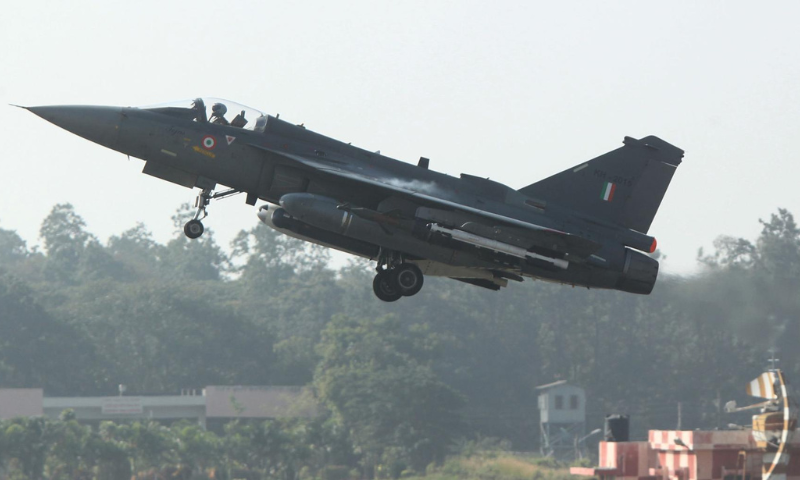
India’s domestically developed Tejas light combat aircraft is intended to replace older fighter jets, including the MiG-21.
The programme began in 1980, but development delays meant the aircraft took decades to enter operational service.
The air force plans to induct over 200 Tejas Mk1 and Mk1A aircraft, while work is underway on the more advanced Tejas Mk2.
The air force plans to induct over 200 Tejas Mk1 and Mk1A aircraft, while work is underway on the more advanced Tejas Mk2.
However, some recent incidents involving Tejas crashes have raised questions about the capabilities of Indian jet pilots, as well as concerns over aircraft reliability, training standards and overall operational safety within the fleet.