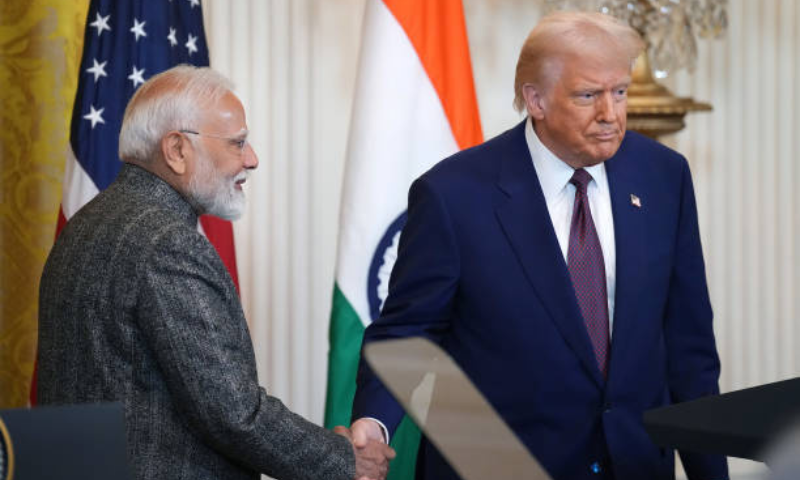



NEW DELHI/WASHINGTON: India’s trade negotiations with the United States have stalled after Prime Minister Narendra Modi did not place a crucial call to US President Donald Trump during sensitive talks last year, US Commerce Secretary Howard Lutnick said Friday.
The missed communication, he claimed, contributed to the collapse of negotiations and the subsequent imposition of sharply higher US tariffs on Indian goods.
“The trade talks fell apart last year, and Trump doubled tariffs on Indian goods in August to 50 per cent, the world’s highest rate, including a levy of 25 per cent in retaliation for India’s purchases of Russian oil,” Lutnick explained in an interview on the All-In podcast, a US show hosted by four venture capitalists focusing on business and technology, according to Reuters.
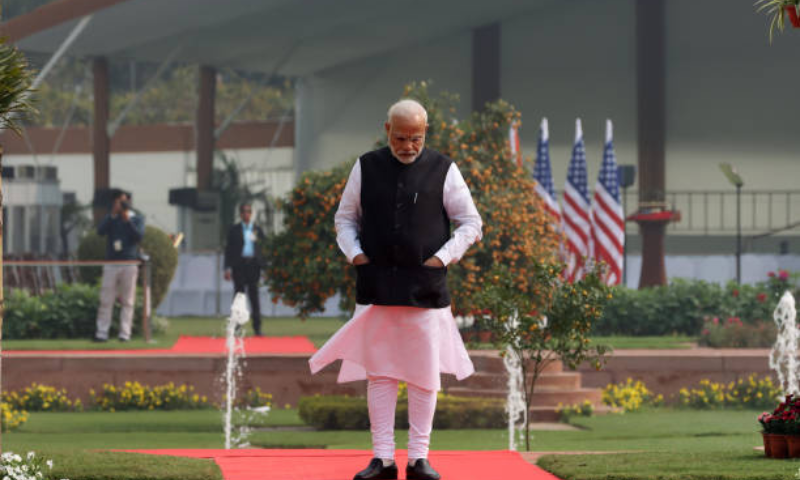
“It’s all set up and you have got to have Modi call the president. And they were uncomfortable doing it. So Modi didn’t call,” he added, highlighting the communication gap as a major factor behind the stalled talks.
Lutnick’s comments came after Trump intensified pressure on India earlier this week, warning that tariffs could increase further unless New Delhi curbs its Russian oil imports. The warning coincided with the Indian rupee hitting a record low, unsettling investors eager for progress in the two-way trade negotiations.
India had sought a tariff rate between Washington’s previous offers to Britain and Vietnam, which had earlier been agreed upon. However, that offer has now expired, complicating efforts to revive the deal, Lutnick noted.
The commerce secretary emphasized that the collapse of the negotiations was largely due to the communication breakdown at a critical moment last year. Reuters reported that an Indian government official involved in the talks said Modi could not have made the call, fearing that a one-sided conversation would place him in a difficult position.
India’s trade ministry did not immediately respond to a request for comment on Lutnick’s statements, but officials continue to engage with Washington to explore alternative ways to revive the stalled trade talks.
The episode underscores the delicate nature of high-level diplomatic and trade negotiations, where timing, communication, and political considerations can significantly influence outcomes.
While both countries remain committed to enhancing economic cooperation, analysts say that rebuilding trust and finding a mutually acceptable framework will be key to finalizing the pact.