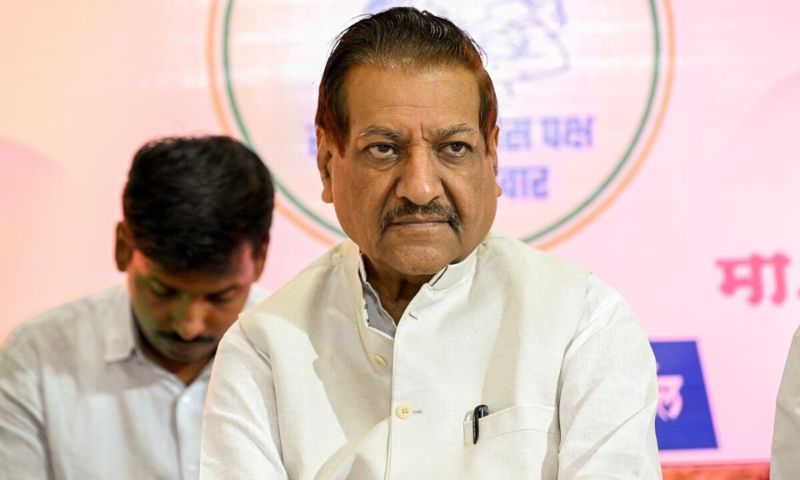



NEW DELHI: Former Chief Minister of Maharashtra state and senior Congress leader, Prithviraj Chavan, has said that India ‘completely lost the battle’ with Pakistan in May this year.
He voiced serious concerns about the strategic and operational shortcomings observed during the conflict, emphasising the urgent need to reevaluate India’s defence readiness and military strategy, according to ANI.
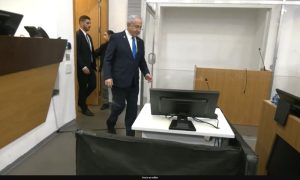
“Accept it or not, we were fully defeated in the half-hour aerial engagement that took place on May 7. On the first day (of Operation Sindoor), we were completely defeated,” Indian news agency Asian News International (ANI) quoted former Maharashtra chief minister and senior Congress leader Prithviraj Chavan as saying in a recent statement.
Pune: Former Maharashtra CM and senior Congress leader Prithviraj Chavan says, "On the first day (of Operation Sindoor) we were completely defeated. In the half-hour aerial engagement that took place on the 7th, we were fully defeated, whether people accept it or not. Indian… pic.twitter.com/3JRROmLoJh
— ANI (@ANI) December 16, 2025
“The Indian Air Force did not launch any aircraft during the conflict, reportedly out of fear of being targeted by Pakistan’s highly effective aerial combat operations,” he added.
“If any aircraft had taken off from Gwalior, Bathinda, or Sirsa, there was a high probability of being shot down by Pakistan, which is why the air force was fully grounded,” Chavan said.
During the May conflict, Pakistan gave a strong and decisive response to India. The Pakistan Air Force (PAF) shot down seven Indian aircraft, including Rafale jets, and successfully neutralized an S-400 air-defence system.
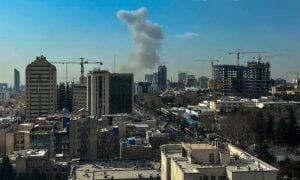
The four-day war between the two nuclear-armed nations began after India conducted missile strikes inside Pakistani territory, resulting in the deaths of multiple civilians and security personnel. In retaliation, Pakistan targeted over 20 Indian military sites across several regions, demonstrating a well-coordinated, full-spectrum, and effective military response. The conflict ended on May 10 when both countries agreed to a ceasefire mediated by the United States.
In the months following the conflict, a report submitted to the United States Congress by the US-China Economic and Security Review Commission recognised Pakistan’s military performance. The report noted that Pakistan employed advanced Chinese weaponry, including the HQ-9 air-defence system, PL-15 air-to-air missiles, and J-10C, and JF-17 fighter jets, marking the first operational deployment of these modern systems in active combat.
According to the report, Pakistan’s ability to effectively integrate these advanced systems enhanced its strategic advantage over India and highlighted the practical effectiveness of modern defense technologies in real-world operations.