


UNITED NATIONS: United Nations special rapporteurs have released a detailed report sharply criticising India’s unilateral military actions against Pakistan, warning that New Delhi’s conduct risks violating international law, undermining regional stability and endangering civilian lives.
In the report, UN experts condemned the attack in Pahalgam while stressing the need for accountability strictly through legal means. They urged that those responsible be punished in accordance with the law, while noting that Pakistan has denied any involvement in the attack and formally called for an independent, transparent and impartial investigation.
According to the report, on May 7, 2025, India carried out military operations under what it described as “Operation Sindoor” using force within Pakistan’s territory. UN experts said such action prima facie contravenes the UN Charter, particularly the prohibition on the use of force.
The report notes that India did not formally notify the UN Security Council under Article 51 of the Charter, which governs the right to self-defence. The experts described the absence of prior notification as a violation of required international procedures.
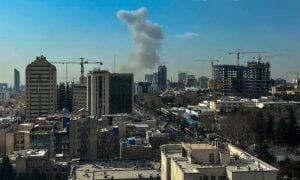
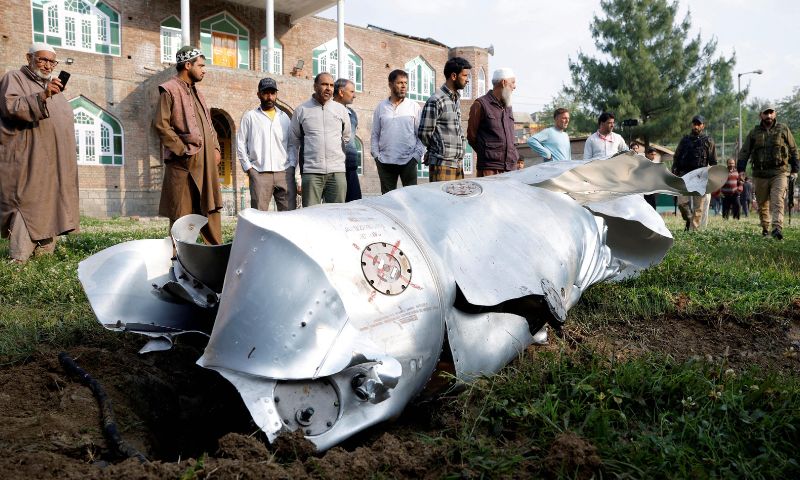
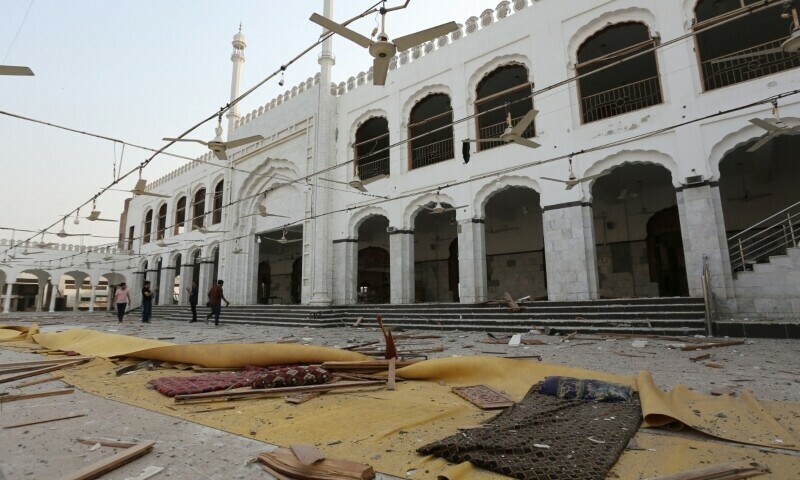
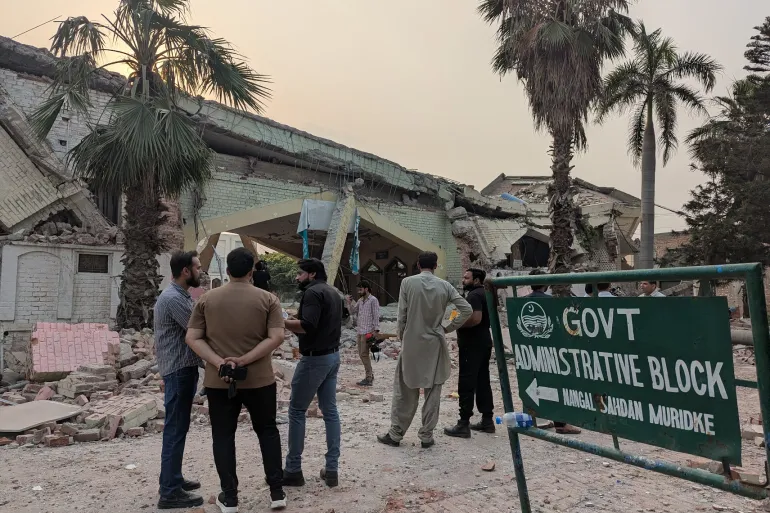
UN investigators further stated that Indian strikes hit civilian areas, damaged mosques, and resulted in the killing and injury of multiple civilians, raising serious concerns under international humanitarian and human rights law.
The report records that Pakistan condemned India’s actions on May 7 and formally informed the Security Council that it reserves the right to self-defence under Article 51 of the UN Charter.
Crucially, the UN experts said India failed to present credible evidence demonstrating state-level involvement by Pakistan in the Pahalgam attack. They emphasised that international law does not recognise any standalone right to use unilateral military force under the pretext of counterterrorism.
The rapporteurs warned that if the use of force is unlawful, it may constitute a violation of the right to life, and said India’s actions could trigger a wider military confrontation between the two nuclear-armed neighbours.
They added that if India’s actions were to be legally classified as an “armed attack”, Pakistan would be entitled to exercise its right of self-defence. The report concludes that India’s conduct amounts to a serious breach of Pakistan’s sovereignty and the principle of non-intervention.
Beyond military actions, the UN experts also criticised India for avoiding arbitration mechanisms and challenging the jurisdictional framework of the Indus Waters Treaty. They called on New Delhi to act in good faith, refrain from violating Pakistan’s rights, and clarify concrete steps to prevent human rights violations arising from disruptions to water flows.
The report formally demands explanations from India, including potential reparations and an apology for loss of life caused by any unlawful use of force. It also urges India to reaffirm its commitment to the Indus Waters Treaty and to outline measures to prevent further humanitarian harm.
In a strongly worded communication described as a formal legal notice, UN special rapporteurs posed five direct questions to the Indian government: whether India possesses evidence to substantiate its allegations; whether it will compensate victims and apologise for unlawful loss of life; whether it will uphold its obligations under the Indus Waters Treaty and respect Pakistan’s legal and human rights; whether it intends to honour the treaty’s dispute resolution mechanisms; and what steps it plans to take toward a peaceful resolution of the Jammu and Kashmir dispute, including granting the right to self-determination to Kashmiris.
India was given 60 days to respond to these questions. According to the report, no response was received. As a result, the UN experts proceeded with publishing their findings.
The rapporteurs said any response from India will be publicly posted on official UN platforms and submitted to the UN Human Rights Council alongside the report, underscoring what they described as New Delhi’s failure to engage with international accountability mechanisms.
May Escalation Between India and Pakistan Rekindles Nuclear War Fears
In early May 2025, tensions between Pakistan and India escalated sharply after a deadly attack in Pahalgam, in Indian-administered Kashmir. India blamed militant groups allegedly operating from Pakistani territory, an accusation Islamabad rejected, calling instead for an independent and transparent investigation. On May 7, India launched cross-border military strikes under what it described as Operation Sindoor, targeting locations inside Pakistan. Pakistan said the strikes hit civilian areas, including mosques, causing civilian casualties, and condemned the action as a violation of its sovereignty and the UN Charter.
The confrontation intensified over several days, with both sides engaging in military exchanges that raised fears of a wider conflict between the two nuclear-armed neighbours. Pakistan informed the UN Security Council that it reserved the right to self-defence under Article 51, while India did not formally notify the council of its actions under the same provision. International concern mounted as the risk of escalation grew, before a ceasefire was agreed on May 10, bringing the brief but dangerous standoff to an end.
Throughout and after the crisis, former US President Donald Trump repeatedly commented on the escalation, claiming the United States played a role in preventing a larger war. In several public remarks, Trump said the conflict involved aerial combat and asserted that Pakistani forces had downed Indian fighter jets, describing the situation as one that could have “gone nuclear very quickly”. India rejected Trump’s characterisation and denied both aircraft losses and US mediation, while Pakistan did not contradict his statements. Analysts noted that Trump’s comments were unverified and disputed, but they added to the international spotlight on how close the crisis came to spiralling further.