


KEY POINTS
- PCB plans to revive an ICC-accredited biomechanics lab at National Cricket Academy.
- Overseas pathway programme acts as a “litmus test” for Pakistan’s high-performance coaching system.
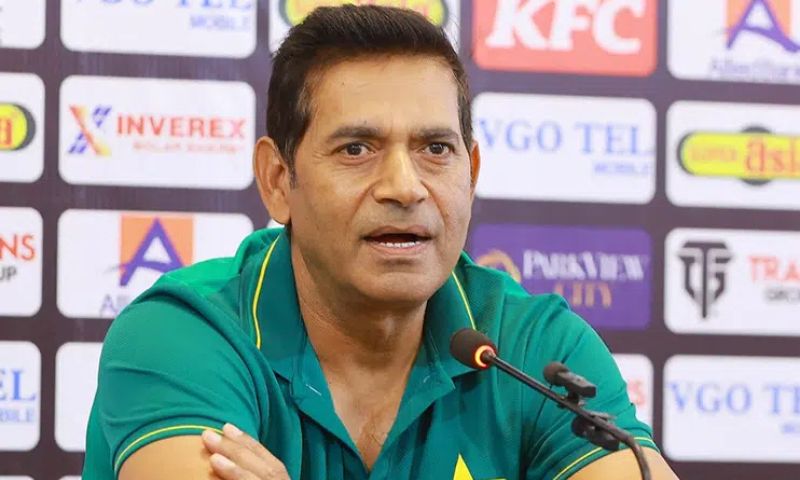
LAHORE, Pakistan: Former Pakistan pacer and Pakistan Cricket Board (PCB) Director of High-Performance Aqib Javed has revealed that India reached out to Pakistan’s cricket board seeking guidance on fast bowling as part of the PCB’s overseas players’ development programme.
Speaking on the PCB’s official podcast, Aqib, who also sits on the national selection committee, opened up about the board’s expanding high-performance initiatives and its plans for the National Cricket Academy (NCA).
Aqib outlined ambitious plans to revitalise the NCA, terming it the “engine room” for Pakistan’s cricketing future.
A key focus is the revival of an ICC-accredited biomechanics laboratory, which has been non-operational since 2006.
“We have big plans for the NCA, including the establishment of a fully functional biomechanics laboratory,” Aqib said.
“With this facility, we will be able to identify illegal bowling actions and work on improving players’ performance scientifically.” He added that the lab is expected to become functional within the coming months.
‘Litmus Test’ for Pakistan’s System
The PCB’s overseas pathway programme, which invites foreign cricketers for training and coaching in Pakistan, was highlighted as a strategic initiative.
Aqib noted that players from countries such as the Netherlands and England have already trained under the programme.
He termed it a crucial “litmus test” for Pakistan’s coaching and high-performance structures.
“Until we challenge ourselves, we won’t know where we stand internationally, how capable our coaches are, or how strong our systems truly are,” he explained.
India’s Interest in Fast Bowling Expertise
The most striking disclosure came when Aqib revealed that India had contacted the PCB for fast bowling guidance under this very programme.
“We have already received calls from India seeking guidance for their fast bowlers,” he stated, signalling a rare cricketing outreach between the two nations amidst longstanding political tensions.
When the podcast host alluded to the strained relations between Pakistan and India, Aqib responded with a diplomatic touch: “Common people think differently, while bureaucracy approaches things in its own way.”
Global Vision
Aqib expressed confidence that the overseas programme would expand worldwide, strengthening Pakistan’s role as a hub for high-performance cricket training.
The interest from India, in particular, underscores the growing recognition of Pakistan’s expertise in fast bowling development, a department where Pakistan has historically excelled.
This development marks a subtle but meaningful step in cricket diplomacy, even as formal bilateral cricket series between the two neighbours remain on hold.