


KEY POINTS
- Mitchell Starc demanded Snicko’s removal after consecutive days of contentious decisions in the Ashes Test.
- An operator error on day one led to an incorrect reprieve for Alex Carey, and on day two for Jamie Smith.
- Cricket Australia’s CEO and experts like Ricky Ponting and Simon Taufel have voiced serious concerns over the technology’s reliability.
- The ECB plans to lobby the ICC for a formal review of DRS protocols and licensed technologies.
ADELAIDE: Australian fast bowler Mitchell Starc has called for the controversial ‘Snicko’ edge-detection technology to be removed from the game, following a second day of high-profile failures in the third Ashes Test at the Adelaide Oval.
The International Cricket Council (ICC) is facing mounting pressure to review its protocols after a series of contentious decisions involving the Snickometre, officially known as Real-Time Snickometre.
Consecutive Days of Controversy
The controversy began on the opening day when an operator error led to an incorrect reprieve for Australia’s Alex Carey. As a result, match referee Jeff Crowe reinstated a lost review to England on the second morning.
ALSO READ: Australian Wicketkeeper Scores Century After Tech Mistake, Snicko Chief Apologises
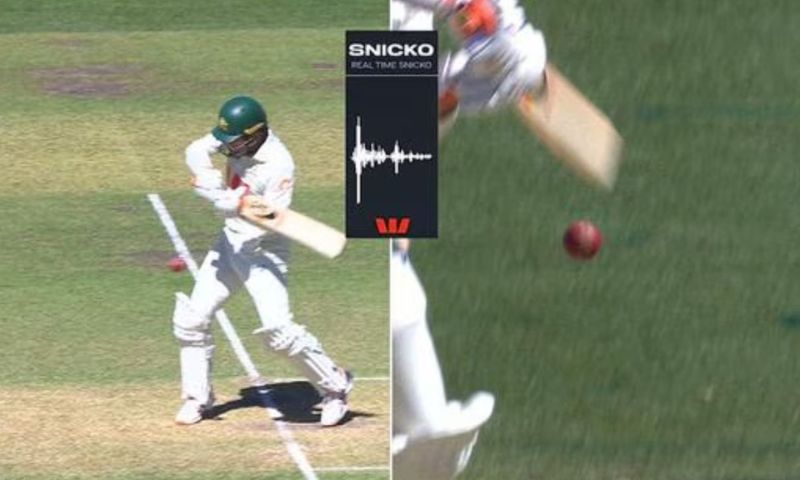
Frustration boiled over hours later when England’s Jamie Smith was adjudged not out after a reviewed catch at slip. TV umpire Chris Gaffaney, consulting Snicko, concluded the ball hit Smith’s helmet, while the Australian fielders were convinced it brushed his glove.
“Snicko needs to be sacked. That’s the worst technology there is,” Starc fumed into a stump microphone after the decision. “They make a mistake the other day, and they make another mistake today.”
Executives and Experts Voice Concern
The repeated glitches have drawn sharp criticism from administrators and former greats. Cricket Australia CEO Todd Greenberg stated the governing body was “not happy” and was demanding assurances such failures would not recur.
Former Australian captain Ricky Ponting was scathing in his assessment for Channel 7: “This technology… is simply not as good as technology that’s used in other countries… You’ve got to be able to trust the technology that’s in place.”
How's that an edge? There's a visible gap between bat and ball in the right side frame!!
Snicko showed a spike a millisecond later and the ball had passed by then pic.twitter.com/VfjwOH2kom
— Rohit Sankar (@imRohit_SN) December 18, 2025
Award-winning ex-umpire Simon Taufel argued the issues were exacerbated by the ICC’s removal of the ‘soft signal’ from umpires two years ago. “We’ve gone back 20 years,” Taufel said. “The game deserves better.”
Calls for ICC Review and Protocol Change
The England and Wales Cricket Board (ECB) has confirmed it will lobby the ICC to review the Decision Review System’s protocols and licensed technologies. England batting coach Marcus Trescothick called on “the powers that be” to find a solution.
Jamie Smith was given not out after this decision, but what’s your take on this call?#Ashes | #DRSChallenge | @Westpac pic.twitter.com/4Yf3o7FgBj
— cricket.com.au (@cricketcomau) December 18, 2025
The ICC, which licenses two edge-detection systems, Snicko and the more expensive HawkEye-owned UltraEdge, declined to comment. The choice of technology rests with the host broadcaster, with Snicko understood to be the more cost-effective option.
Any formal changes would require approval from the ICC’s cricket and chief executives’ committees. For now, the technology debate threatens to overshadow the on-field action in a tightly contested Ashes series.