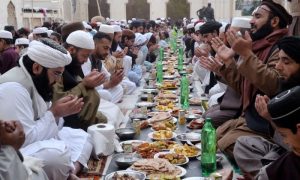
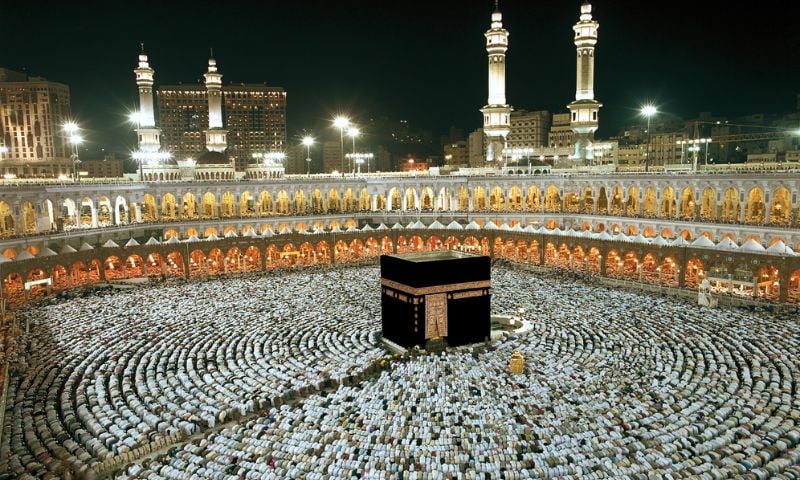



ISLAMABAD: The Muslim holy month of Ramadan is expected to begin on February 18 or 19, 2026, depending on the sighting of the crescent moon, marking the start of a month of fasting, prayer, and reflection observed by Muslims worldwide.
Ramadan, the ninth month of the Islamic lunar calendar, lasts 29 or 30 days and concludes with the festival of Eid al-Fitr. Because the Islamic calendar follows the lunar Hijri system, Ramadan shifts 10 to 12 days earlier each year in the Gregorian calendar.
Fasting: One of the Five Pillars of Islam
Fasting during Ramadan is one of the Five Pillars of Islam, alongside the declaration of faith, prayer, charity, and pilgrimage.
From dawn to sunset, Muslims abstain from:
-
Food and drink (including water)
-
Smoking
-
Marital relations
The fast is observed as an act of worship, self-discipline, and spiritual growth. It is intended to cultivate “taqwa,” or consciousness of God, while encouraging gratitude and empathy for those less fortunate.
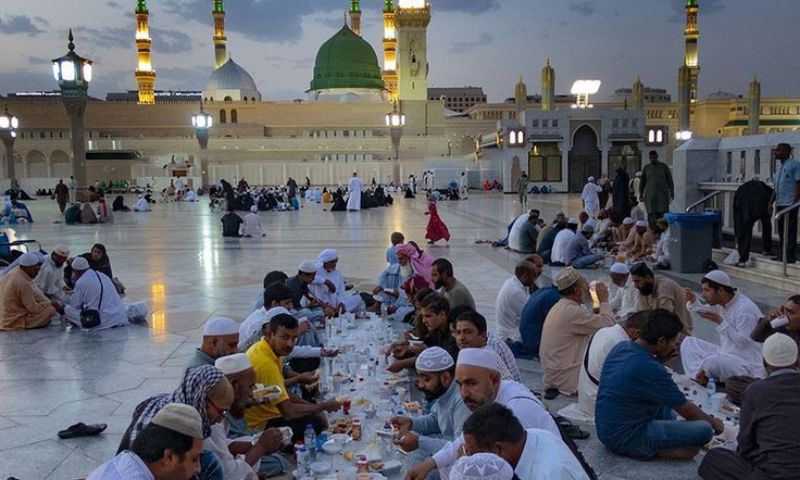
Daily fasting hours vary by location. In 2026, Muslims in the Northern Hemisphere will fast approximately 12 to 13 hours at the beginning of the month, with fasting duration gradually increasing. In southern countries such as Chile, New Zealand, and South Africa, fasting hours may reach 14 to 15 hours initially.
Because the lunar year is shorter than the solar year, Ramadan will be observed twice in 2030 — first in January and again in December.
Daily Rituals: Suhoor and Iftar
Muslims begin their day with a pre-dawn meal called suhoor, which provides nourishment before fasting begins.
The fast is broken at sunset with a meal known as iftar, often starting with dates and water in keeping with Islamic tradition.
Many Muslims gather in mosques for congregational prayers, including special nightly Taraweeh prayers. Reading the Quran, charitable giving, and spiritual reflection increase during the month.
Charity and Community
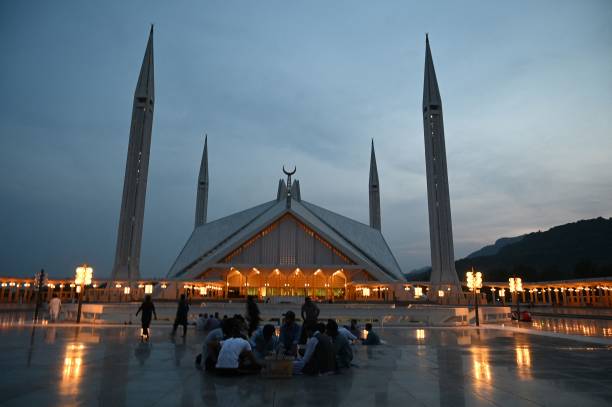
Charity is a hallmark of Ramadan. Many Muslims:
-
Distribute food packages
-
Sponsor iftar meals for the needy
-
Donate to charitable causes
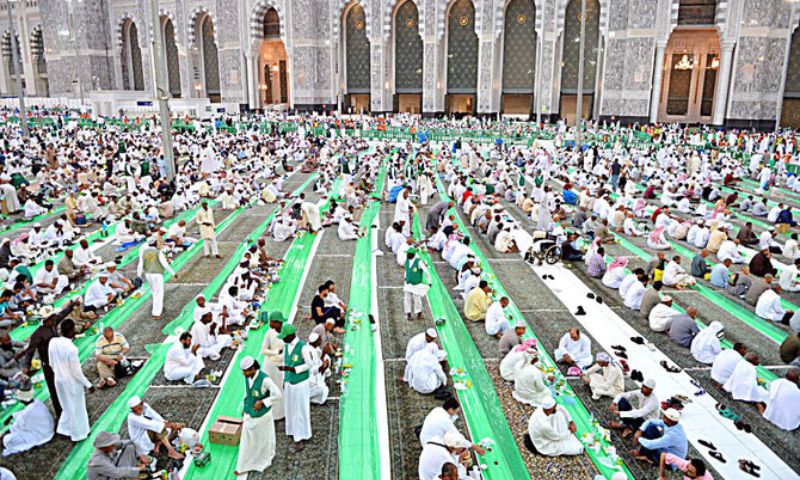
Communal meals and family gatherings strengthen social bonds. In many countries, mosques and community centres organise free iftar dinners open to the public.
Exemptions from Fasting
Islam provides exemptions from fasting for:
-
The sick
-
Travellers
-
Pregnant or nursing women
-
The elderly
-
Young children
Those temporarily unable to fast are expected to make up missed days later.
In Islamic jurisprudence, fasting becomes obligatory at puberty, which varies individually rather than by a fixed age.
In many cases, puberty occurs roughly:
-
Girls: around 10–14 years
-
Boys: around 12–16 years
However, the religious obligation is linked to physical signs of puberty, not a specific birthday. Before that stage, children are not required to fast, though many gradually practice partial fasts to prepare for full observance later.
Cultural Traditions Around the World
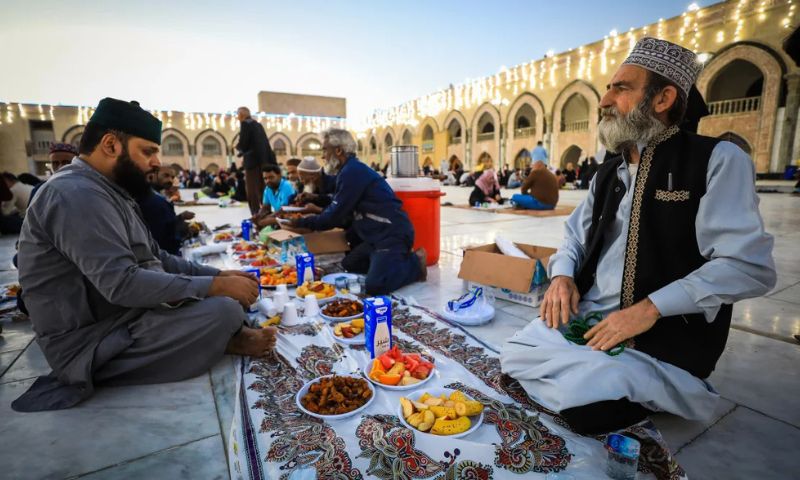
While fasting is religious, many cultural practices vary by region.
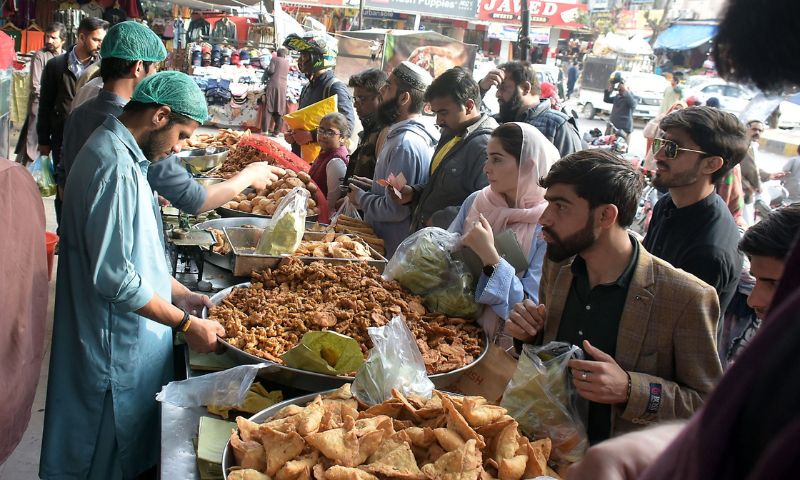
Homes are often decorated with lanterns and banners. In Egypt, colourful lanterns known as “fanous” are widely displayed. In Indonesia, communal festivities reflect regional diversity, while in parts of Southeast Asia and South Asia, special markets operate late into the night.
In the United States and Europe, Muslims from diverse backgrounds gather in mosques and Islamic centres, and some communities organise interfaith iftar meals to foster understanding.
Some observers note increasing commercialization during Ramadan, though many believe festive elements can coexist with spiritual devotion when balanced appropriately.
Why Ramadan Shifts Each Year
Ramadan shifts approximately 10 to 12 days earlier each year because the Islamic Hijri calendar follows the lunar cycle, with months lasting 29 or 30 days, making it shorter than the solar Gregorian calendar.
Ramadan begins earlier each year because the Islamic calendar is based on lunar cycles of 29 or 30 days. As a result, the holy month rotates through all seasons over a 33-year cycle. Because the lunar year is about 11 days shorter than the solar year, Ramadan will occur twice in 2030 — first starting on January 5 and then again on December 26.
In 2026, Ramadan falls in late winter in the Northern Hemisphere, resulting in shorter fasting hours compared to summer observances.
Greetings and Blessing
Common greetings during the month include “Ramadan Mubarak” and “Ramadan Kareem,” wishing others a blessed and generous month.
For Muslims worldwide, Ramadan remains a time of spiritual renewal, discipline, compassion, and community, observed in diverse yet unified ways across cultures.
Fasting Hours Around the World
Fasting hours during Ramadan vary depending on geographic location and the length of daylight.
As Ramadan 2026 falls during winter in the Northern Hemisphere, Muslims living there will observe relatively shorter fasts — around 12 to 13 hours on the first day — with the duration gradually increasing as the month progresses.
In contrast, countries in the Southern Hemisphere, such as Chile, New Zealand, and South Africa, will experience longer fasting hours at the start of Ramadan, averaging about 14 to 15 hours per day. However, fasting durations in those regions will gradually decrease as the month advances.