



Key points
- Data-driven insights aid in sustainable resource management
- Machine learning enhances climate modeling and forecasting
- ML contributes to smarter, more efficient climate solutions
ISLAMABAD: In the face of accelerating climate change, scientists and engineers are increasingly turning to machine learning (ML) — a branch of artificial intelligence — as a powerful ally for environmental sustainability. By leveraging vast amounts of data and advanced algorithms, ML is helping optimize energy systems, forecast environmental changes, and reduce greenhouse gas emissions.
One of the most promising applications of machine learning is in optimizing renewable energy and power grids. As more countries shift toward wind, solar, and other renewables, integrating these intermittent energy sources into grids becomes a complex challenge.
ML algorithms can analyse fluctuations in energy production and demand, forecast supply and consumption patterns, and enable smarter distribution — minimizing waste and maximizing efficiency. Such optimization reduces reliance on fossil fuels and lowers overall carbon footprints, supporting global “net-zero” ambitions.
Beyond energy generation and distribution, ML is also contributing to innovations in carbon capture and climate-impact mitigation. Researchers are applying ML to monitor emissions, model carbon capture processes, and evaluate environmental data to inform climate-smart policies and actions.
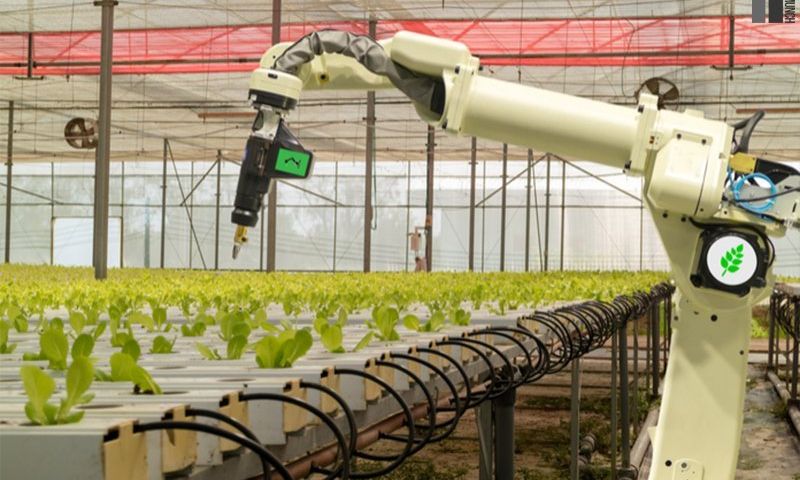
In agriculture, natural-resource management, urban planning, and water management, ML-driven analysis helps optimize resource use and reduce waste, offering a data-driven path to sustainability.
Significant contribution
Another significant contribution of ML is in climate modeling and forecasting. Traditional climate and weather prediction models often struggle to handle the complexity of the Earth’s systems, but ML can process enormous datasets — from satellite imagery to historical weather records — to detect patterns and predict environmental changes with higher precision.
Such predictive capabilities enable early warnings for extreme weather events, help governments plan adaptive measures, and guide long-term climate policy, offering communities a better chance at resilience and adaptation.
Of course, leveraging machine learning for climate action has challenges. Effective ML applications require high-quality, large-scale data, robust infrastructure, and coordinated collaboration among scientists, policymakers, and industries. There are also ethical, regulatory, and transparency considerations when deploying AI systems at scale.
Despite these obstacles, the potential of machine learning as a climate-change partner is enormous. By enabling smarter energy systems, improving predictions, optimizing resource use, and supporting carbon mitigation strategies, ML could play a pivotal role in shaping a more sustainable, resilient future.
As the climate crisis deepens, innovations powered by data and algorithms might prove among our strongest tools — offering hope that technology and environmental responsibility can move forward together.