


Key Points
- Iraq could be forced to halt exports within days if tanker traffic remains blocked.
- Kuwait, Saudi Arabia, the UAE and Qatar also face mounting supply constraints
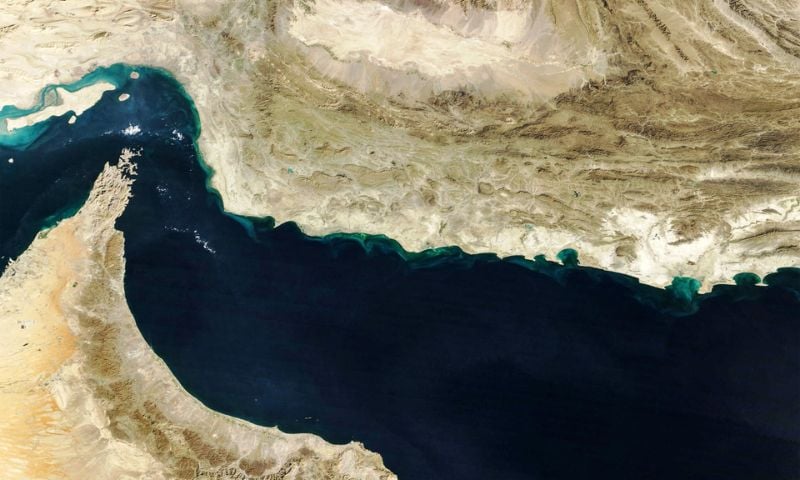
- Nearly one-fifth of global oil and significant Liquified Natural Gas (LNG) volumes transit through the strait
ISLAMABAD: The potential closure of the Strait of Hormuz is sending shockwaves through global energy markets, raising fears of widespread supply disruptions that extend far beyond Iraq and Kuwait.
Analysts warn that if tanker traffic through the narrow waterway remains suspended or severely restricted, multiple Gulf producers could be compelled to cut oil output, tightening global supplies and fuelling inflationary pressure worldwide.
Iraq appears most immediately vulnerable. Energy market assessments indicate that Baghdad may have only a few days before storage capacity fills and production must be reduced if exports cannot move through the strait.
Kuwait faces a similar risk on a slightly longer timeline, with experts suggesting that sustained disruption could force output cuts within roughly two weeks.
The consequences, however, are not limited to these two producers. Saudi Arabia, the United Arab Emirates and Qatar all rely heavily on maritime exports passing through Hormuz.
Although some alternative pipeline routes exist, including Saudi Arabia’s East-West pipeline to the Red Sea and limited UAE bypass infrastructure, these channels cannot fully compensate for the volumes normally shipped via the strait.
Roughly 20 per cent of globally traded crude oil and a substantial share of liquefied natural gas shipments pass through the strategic corridor each day.
Even partial disruption has already driven crude benchmarks sharply higher as traders price in supply risk. Freight rates and war-risk insurance premiums have climbed, adding further cost pressure across energy supply chains.
Asian economies stand at the frontline of the fallout. China, India, Japan and South Korea depend heavily on Gulf crude and LNG.
Any prolonged blockage could escalate import bills, significantly strain trade balances, and intensify inflation in fuel, electricity and transport sectors.
European markets, already navigating tight gas conditions, could encounter renewed competition for alternative LNG cargoes.
Shipping operators report hesitation among tanker owners to enter the area without enhanced security guarantees, compounding delays. Satellite tracking data indicate reduced vessel movement through the corridor, contributing to logistical bottlenecks and uncertainty in delivery schedules.
Economists caution that sustained disruption could reverberate across financial markets.
Higher oil prices typically feed into manufacturing costs, aviation fuel, shipping expenses and consumer goods pricing. Emerging economies with limited fiscal space may face added stress if energy import costs escalate sharply.
Strategic petroleum reserves held by major consuming nations could provide temporary relief, yet such measures are generally viewed as short-term stabilisers rather than structural solutions.
The duration and intensity of the disruption will determine whether the current volatility remains a market spike or evolves into a broader economic shock.
With geopolitical tensions elevated and energy security once again dominating global policy discussions, the Strait of Hormuz has re-emerged as the world’s most critical energy chokepoint.
Any extended closure would test the resilience of producers, consumers and financial systems alike.